
What Are Military Workouts
Military workouts are some of the most effective training systems ever developed. Built around functional strength, endurance, and mental toughness, these programs have been tested under real-world pressure. Whether you’re preparing for enlistment or just want a serious training upgrade, understanding how military fitness works gives you a real edge.
🎯 What Are Military Workouts, Exactly?
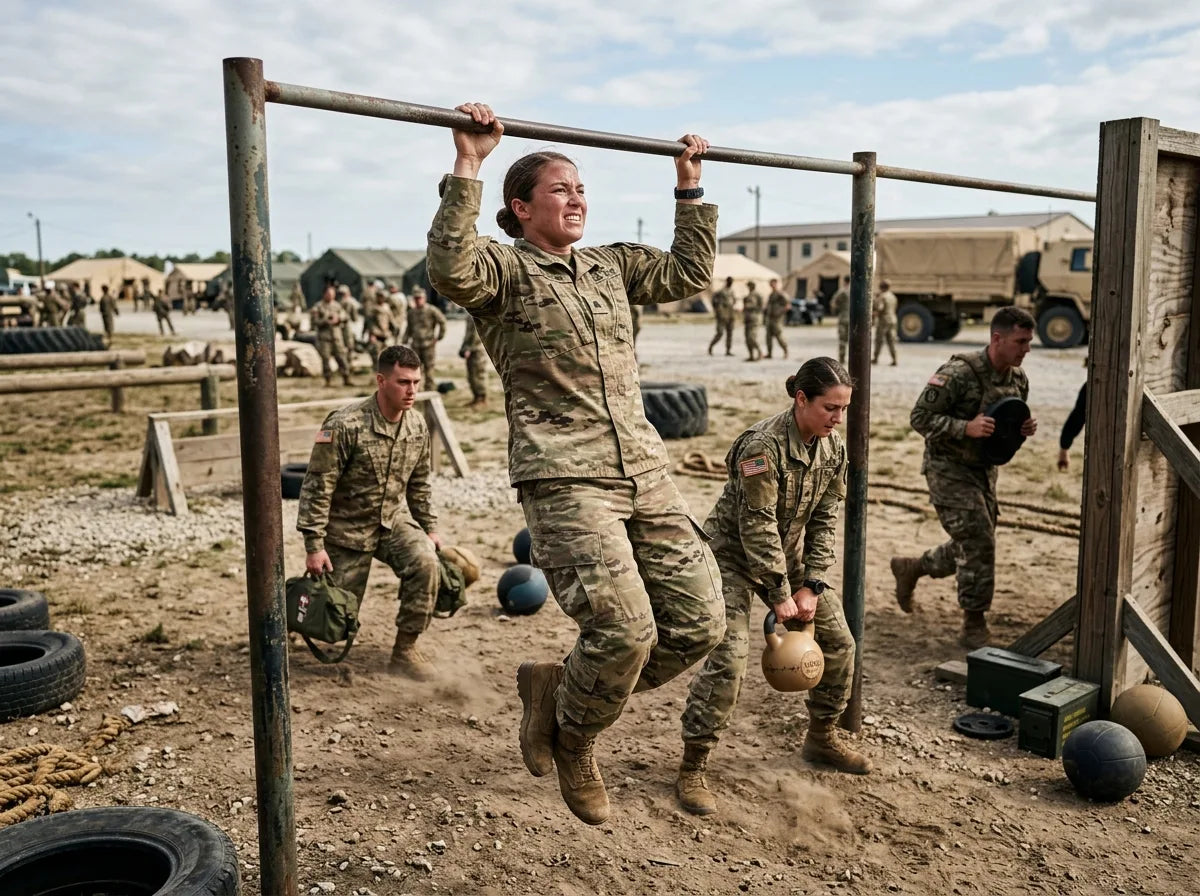
Military workouts are structured physical training programs used by armed forces around the world to build combat-ready soldiers. They focus on functional fitness, meaning the ability to perform real tasks under stress, not just look good in the gym. These programs prioritize endurance, strength, agility, and mental resilience over aesthetics.
Unlike commercial fitness trends, military training has one goal: produce physically capable individuals who can perform under extreme conditions. That means carrying heavy loads, running long distances, and maintaining performance even when exhausted or sleep-deprived.
The foundation of most military fitness programs includes bodyweight exercises, cardiovascular conditioning, and team-based physical challenges. These elements are combined in ways that push both the body and the mind simultaneously.
💪 Core Components of Military Physical Training
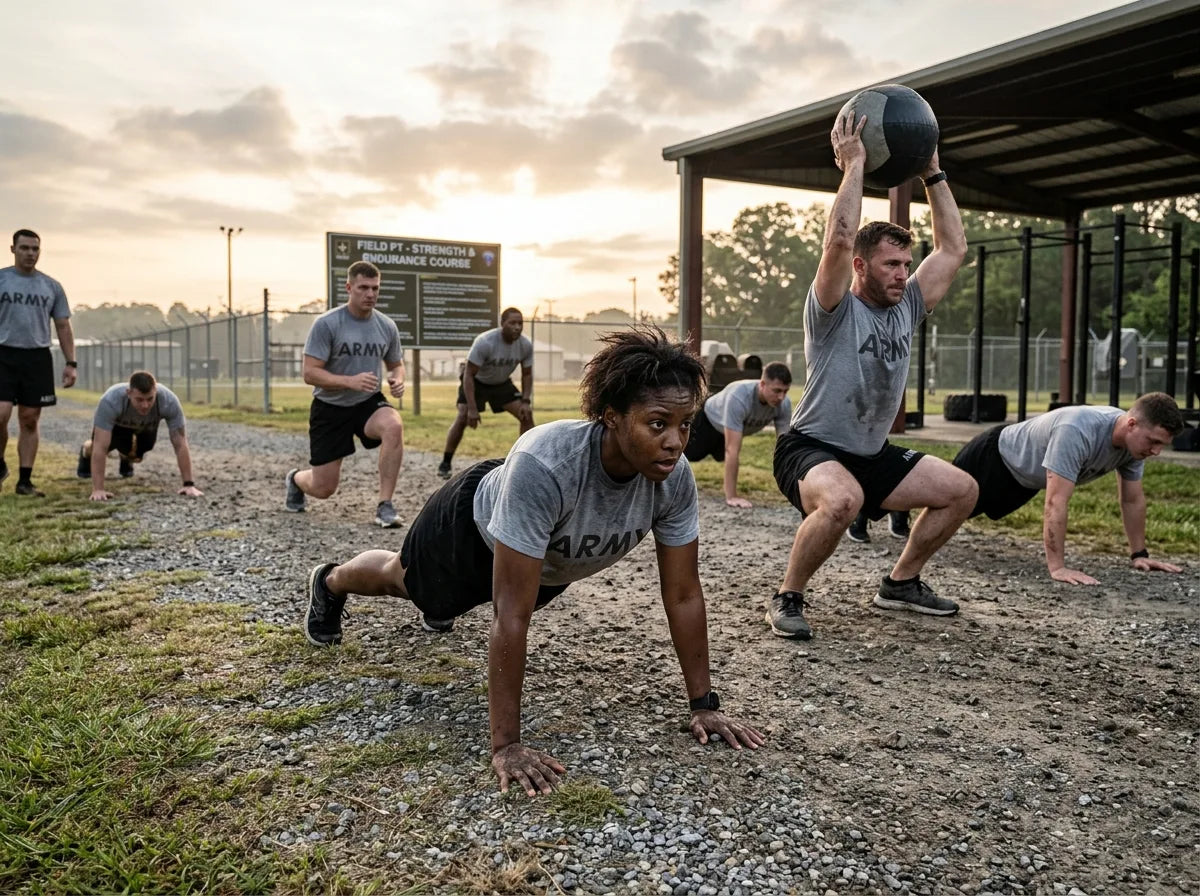
Every branch of the military structures its physical training around a few key pillars. Understanding these components helps explain why military workouts produce such consistent, measurable results across large groups of people with different fitness starting points.
Cardiovascular Endurance
Running is the backbone of military cardio training. Soldiers are expected to cover significant distances at a steady pace, often in boots and with gear. Long-distance runs of 2 to 5 miles are common daily practice, with timed tests used to evaluate fitness levels. Rucking, which involves walking or running with a weighted backpack, is another staple that builds endurance while simulating real combat loads.
Bodyweight Strength Training
Push-ups, pull-ups, sit-ups, and squats form the core of military strength work. These movements require no equipment and can be performed anywhere, which is exactly why the military relies on them. High-repetition sets build muscular endurance rather than raw size, which is more useful in field conditions than pure powerlifting strength.
Functional and Tactical Movements
Military training includes movements that directly simulate combat tasks: crawling under obstacles, carrying a partner, climbing ropes, and scaling walls. These exercises develop coordination, grip strength, and the ability to exert force in awkward positions, skills that translate directly to operational effectiveness.
🏋️ Types of Military Workout Programs by Branch
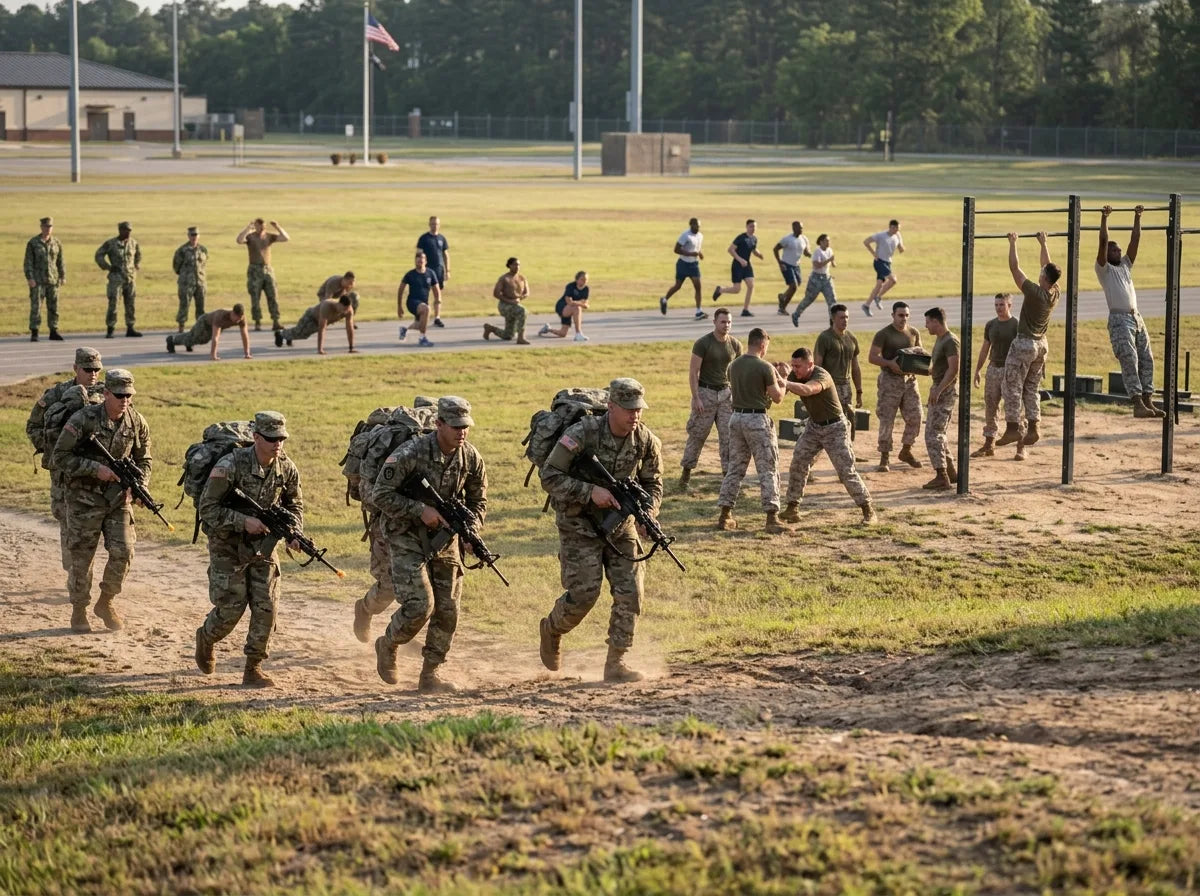
Each branch of the U.S. military has its own fitness standards and training culture, though they share many common elements. The differences reflect the unique physical demands of each branch’s mission.
| Branch | Primary Focus | Signature Exercise | Fitness Test |
|---|---|---|---|
| Army | Strength + Endurance | 🏃 Rucking | ACFT |
| Marines | Combat Readiness | 💪 Pull-ups | PFT / CFT |
| Navy | Endurance + Swimming | 🏊 Swimming | PRT |
| Air Force | Aerobic Fitness | 🏃 Running | PAST / DAFPRT |
| Special Forces | Total Performance | ⚡ All of the above | Branch-specific |
The Army Combat Fitness Test (ACFT) is one of the most comprehensive military fitness evaluations, covering deadlifts, sprint-drag-carry events, leg tucks, and a two-mile run. It was designed to better reflect the physical demands soldiers actually face in the field.
⚡ Sample Military Workout Routine You Can Do Today
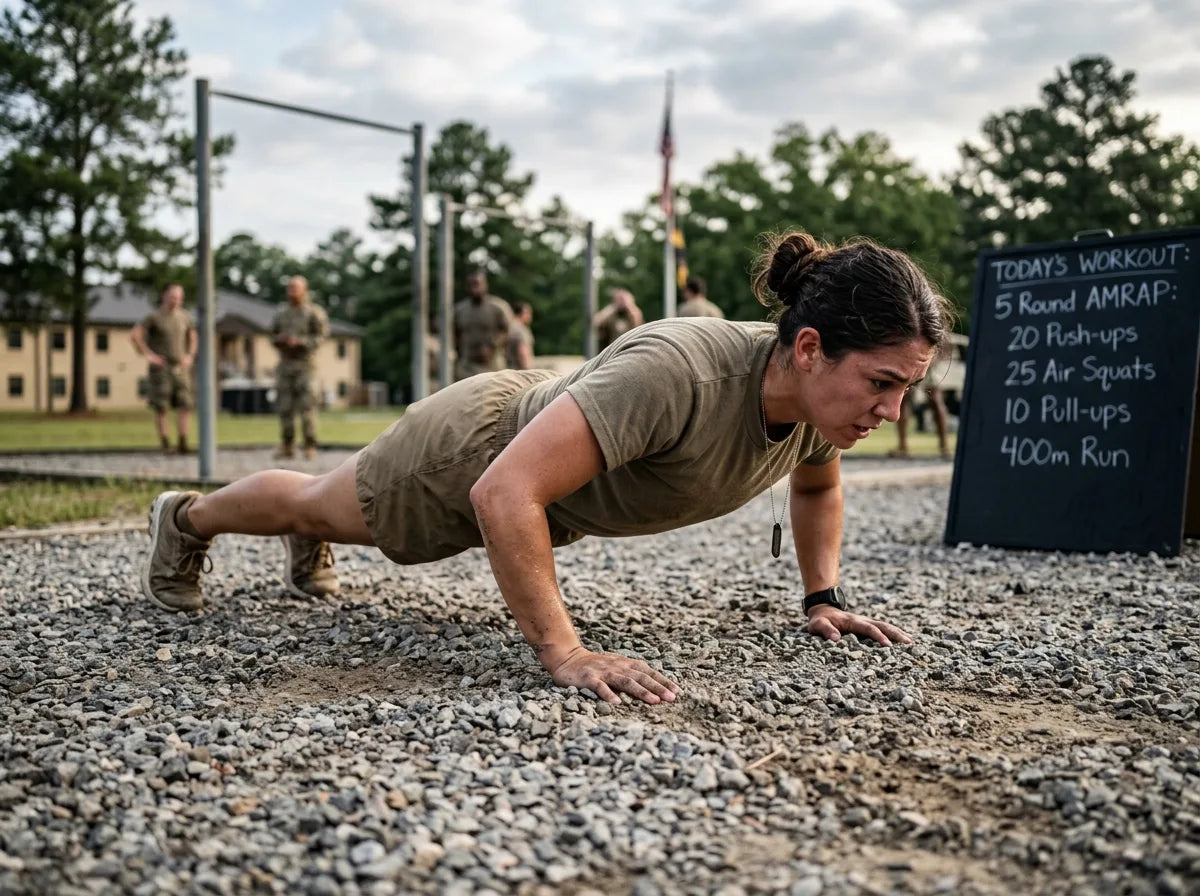
You don’t need to be enlisted to train like a soldier. Military-style workouts translate well to civilian fitness because they require minimal equipment and deliver measurable results. Here’s a practical breakdown of a standard military-inspired training session.
Warm-Up (10 Minutes)
Start with dynamic movements: leg swings, arm circles, high knees, and hip rotations. Military PT always begins with a proper warm-up to reduce injury risk. Jumping jacks in sets of 50 are a classic military warm-up staple that elevates heart rate quickly.
Main Training Block
A typical military-style circuit might look like this, performed with minimal rest between exercises:
- Push-ups: 4 sets of 20-30 reps (builds chest, shoulders, triceps)
- Bodyweight squats: 4 sets of 25 reps (leg strength and endurance)
- Pull-ups or inverted rows: 3 sets to near failure (back and grip strength)
- Sit-ups or plank holds: 3 sets of 30 reps or 60-second holds (core stability)
- Burpees: 3 sets of 10-15 reps (full-body conditioning)
- Ruck or loaded carry: 20-30 minutes with a weighted pack (endurance + strength)
Cardio Finisher
End with a timed run. Military standards typically require a 1.5 to 2 mile run at the end of a session to test performance under fatigue. This is intentional: soldiers must be able to perform when their body is already tired. Start with a distance you can manage and build up weekly.
If you’re weighing the broader lifestyle that comes with military service, it’s worth reading about whether the military is worth it before committing to the path, since physical training is just one part of the equation.
🧠 The Mental Side of Military Fitness
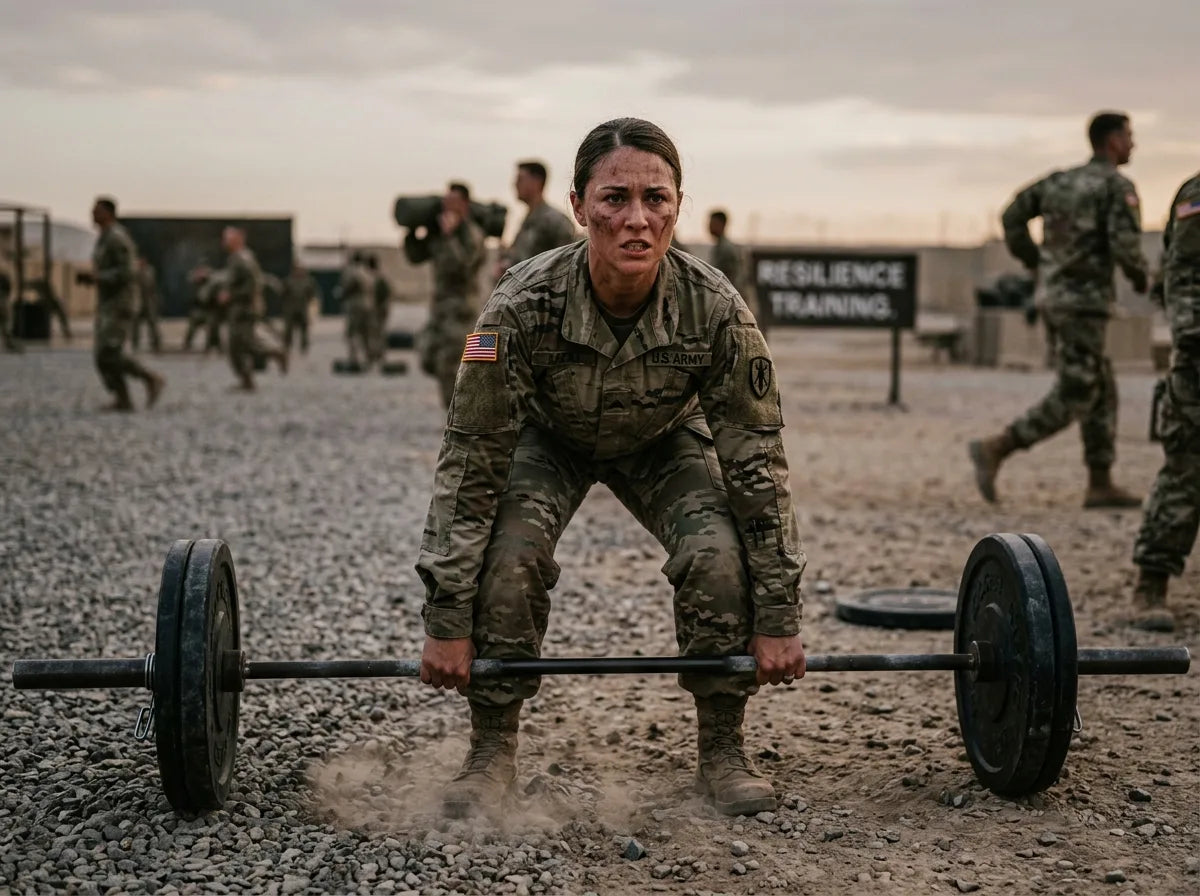
Physical capacity is only half of what military workouts develop. The mental component is equally deliberate. Soldiers are trained to push through discomfort, perform under sleep deprivation, and maintain discipline when motivation runs low. This psychological conditioning is built directly into the structure of military training.
Group training plays a major role in this. Military PT is almost always done in formation, which creates accountability and shared suffering. When everyone around you is pushing through the same pain, quitting becomes much harder. This is a key reason why military fitness programs produce such strong mental toughness alongside physical results.
Progressive overload is also built into military training systems. Programs increase in intensity over weeks and months, ensuring that recruits are constantly adapting rather than plateauing. This mirrors the best practices in modern exercise science, even though military training predates much of that research.
✅ Benefits of Military-Style Workouts for Civilians
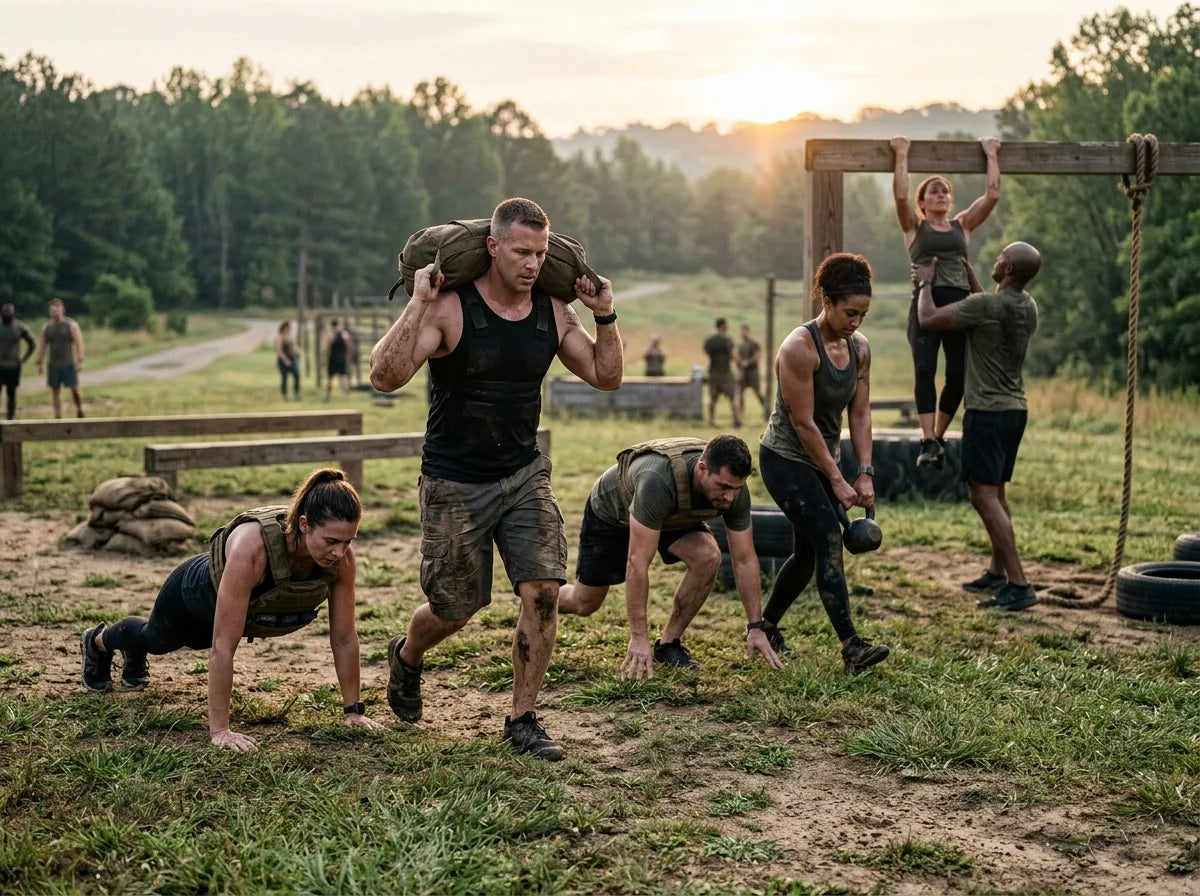
Military fitness principles are highly applicable to anyone looking to improve their health and performance. The approach is no-nonsense, scalable, and proven over decades of real-world use.
- No gym required: Bodyweight and outdoor training means zero equipment costs
- Full-body conditioning: Addresses strength, endurance, and mobility together
- Mental resilience: Consistent hard training builds discipline that carries into daily life
- Scalable difficulty: Beginners can start with lower reps and shorter distances, then progress
- Time efficiency: Military circuits deliver high intensity in 45-60 minute sessions
- Functional results: Improved performance in real-life physical tasks, not just gym metrics
One important note: military training is designed for healthy adults. If you have existing injuries or medical conditions, consult a healthcare provider before starting a high-intensity program. The intensity that makes military workouts effective also makes them demanding on joints and connective tissue if form breaks down.
⚠️ What to Know Before Starting Military-Style Training
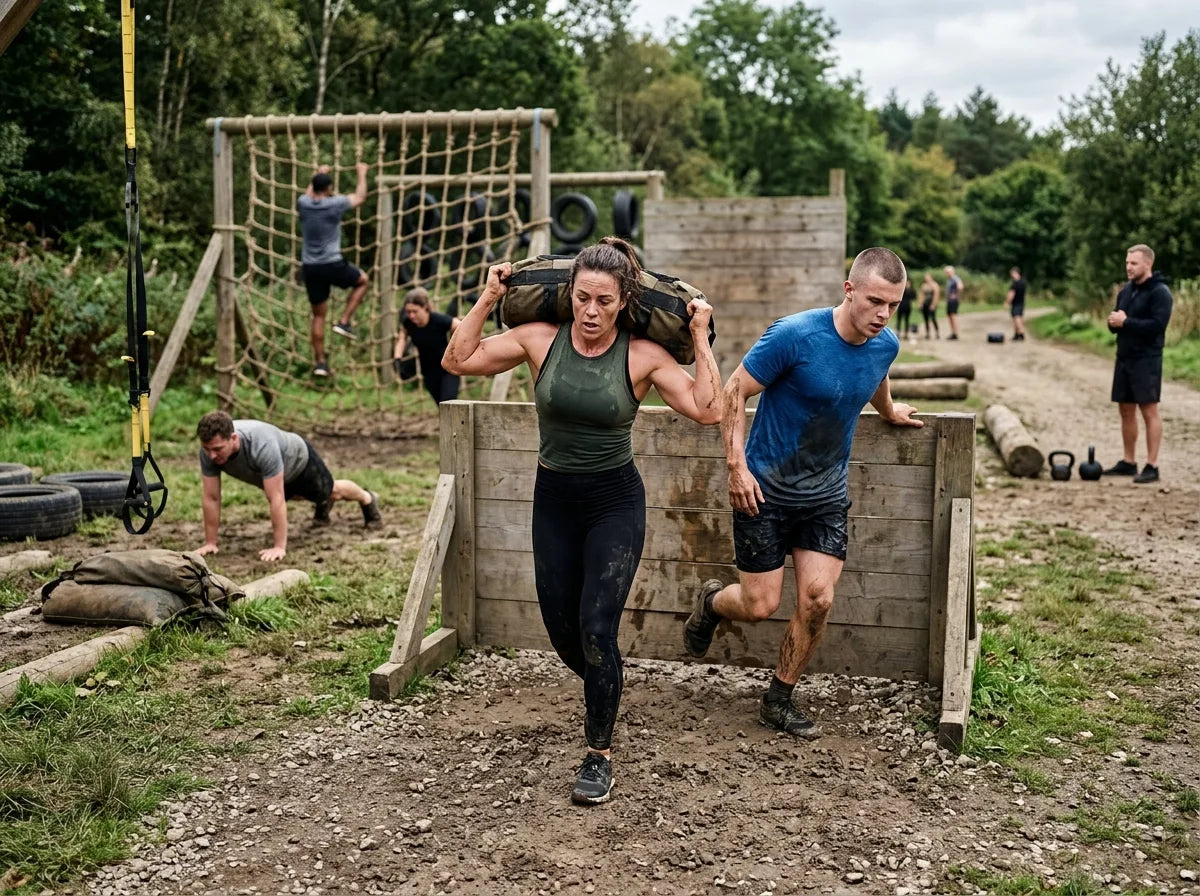
Jumping straight into full military training volume is a common mistake for beginners. The programs used in basic training are built for groups that train every single day under professional supervision. Attempting that volume without adaptation can lead to overuse injuries, particularly in the knees, shins, and shoulders.
Start with three to four sessions per week and build from there. Prioritize form over repetitions, especially on push-ups and squats where poor mechanics are common. Rest and recovery are not optional, they are part of the training system. Even military programs include structured rest periods and recovery protocols.
Nutrition also plays a significant role. Military personnel consume high-calorie diets to support their training loads. Civilians following military-style programs should ensure adequate protein intake (around 0.7 to 1 gram per pound of bodyweight) and sufficient carbohydrates to fuel endurance work.
It’s also worth knowing that military service involves much more than fitness. Understanding the full scope of commitment, including how service ends, is important context. For example, learning about the 5 types of military discharges gives a clearer picture of the long-term structure of military life beyond the physical demands.
Conclusion
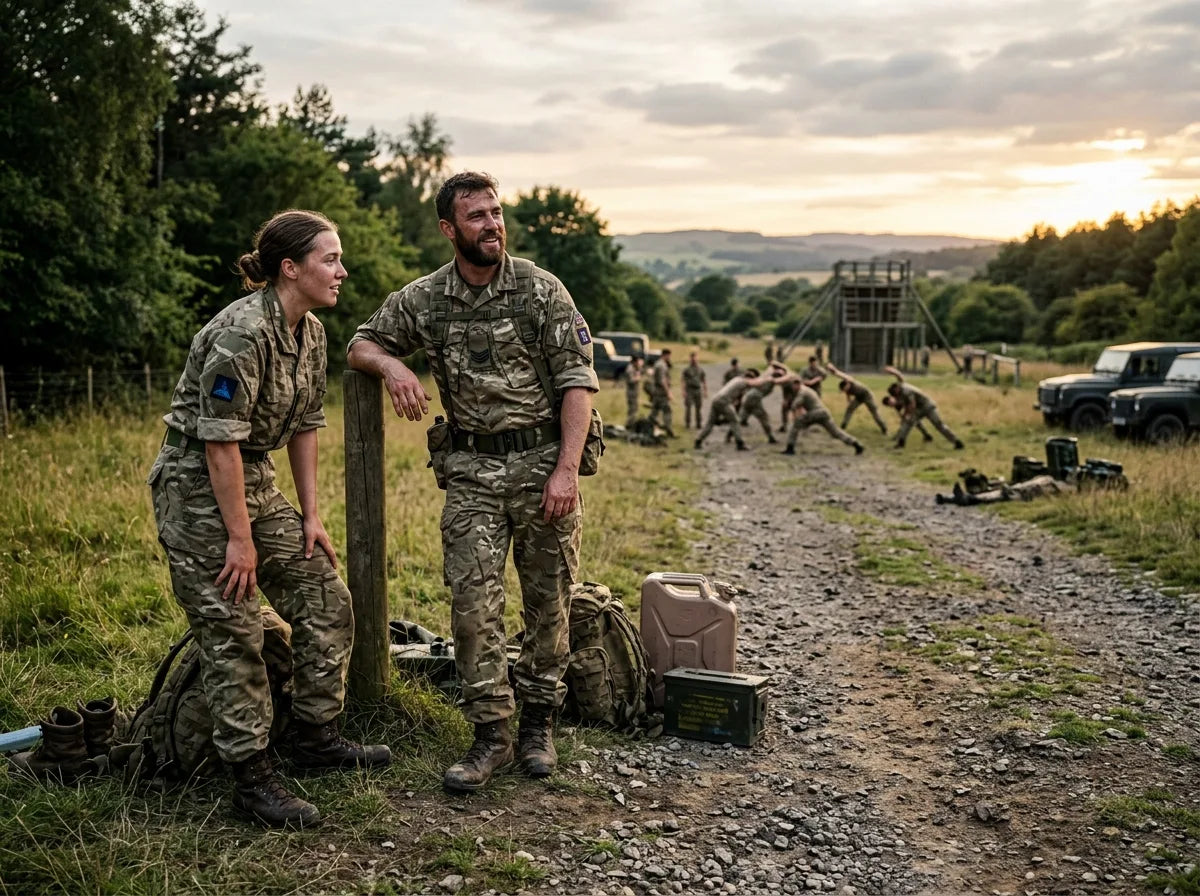
Military workouts combine endurance, strength, and mental conditioning into one of the most tested fitness systems available. They require no fancy equipment, scale to any fitness level, and produce real-world results. Whether you’re preparing for service or simply want a disciplined, effective training approach, military-style fitness delivers. Start with the basics, build consistently, and respect the recovery process. The results speak for themselves.