-
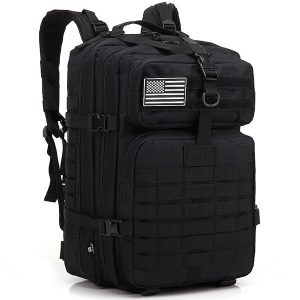
$119.90
Stay organized and ready for any adventure with this durable black tactical backpack. It features a full MOLLE system and multiple compartments for gear. Padded shoulder straps ensure comfort, and it includes a distinct US flag patch.
-
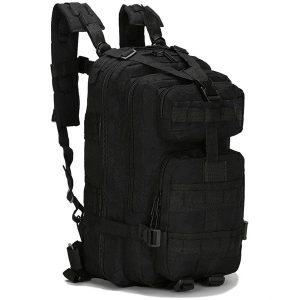
$69.90
Equip yourself with this durable black tactical backpack. It features extensive MOLLE webbing for attaching gear and multiple zippered compartments for organization. Padded shoulder straps ensure comfortable carrying on any adventure.
-
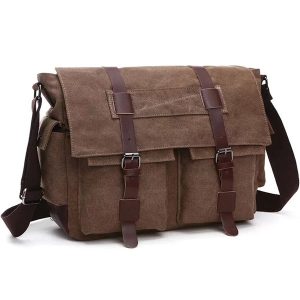
$89.90
Carry your daily essentials in casual style with this rugged brown canvas messenger bag. It features dark faux leather buckle straps over a main flap closure. Two front pockets and an adjustable shoulder strap offer practicality for everyday adventures. Perfect for a versatile look.
-
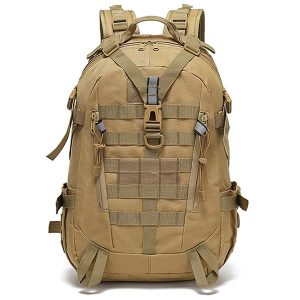
$59.90
Explore the outdoors with this rugged coyote brown tactical backpack. It features extensive MOLLE webbing for attaching gear and secure buckle closures. The durable fabric is ready for any adventure or travel. Padded shoulder straps offer comfortable wear.
-
$69.90
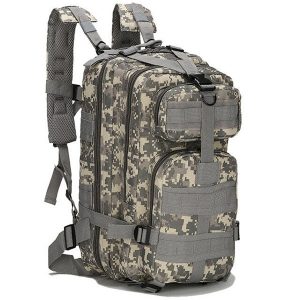
Built for the outdoors, this rugged tactical backpack features a grey digital camo pattern. It includes MOLLE webbing and multiple zippered compartments for storage. Padded shoulder straps ensure comfortable carry.
-
$69.90
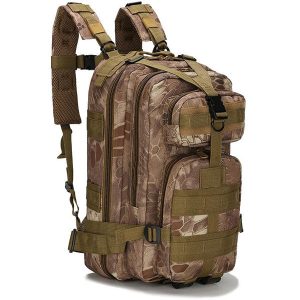
Gear up for adventure with this rugged tactical backpack. It features a tan camouflage pattern and MOLLE webbing for extra attachments. Built with durable fabric, it offers multiple zippered compartments and padded shoulder straps. Ideal for hiking, camping, or daily use.
-
$69.90
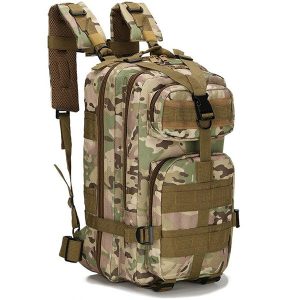
Prepare for your next adventure with this rugged tactical camouflage backpack. It features durable construction and a versatile MOLLE webbing system for attaching extra gear. Multiple zippered pockets offer organized storage. Padded shoulder straps ensure comfortable carrying on any hike.
-
$119.90
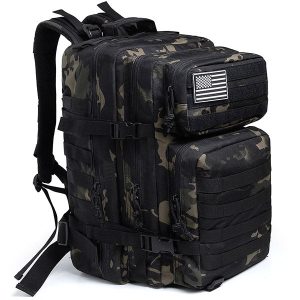
Prepare for any adventure with this rugged tactical backpack. It features a distinctive dark camouflage pattern and extensive Molle webbing. Multiple compartments and compression straps keep gear organized. Includes a removable black and white American flag patch. Ideal for hiking or travel.
-
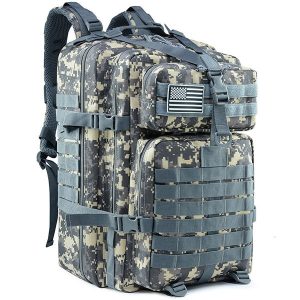
$119.90
Explore the outdoors with this rugged tactical backpack. It features a distinct digital camouflage pattern and full MOLLE webbing for attaching gear. Adjustable shoulder straps and multiple compartments offer comfort and organized storage. Ready for hiking, camping, or daily use.
-
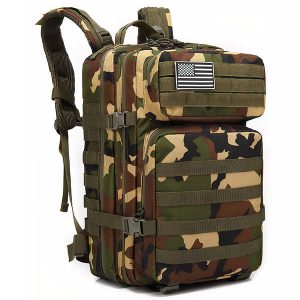
$89.90
Designed for durability, this backpack features a classic woodland camouflage pattern. Padded shoulder straps offer comfort, with multiple compartments for organized gear. It includes practical MOLLE webbing and a removable US flag patch on the front.