
Is the Military Worth It
Joining the military is one of the most significant decisions a person can make. It affects your career, finances, health, relationships, and sense of purpose. So, is it actually worth it? The honest answer depends on what you value. This article breaks down the real pros, cons, and trade-offs so you can make an informed choice.
💰 Financial Benefits: What the Military Actually Pays
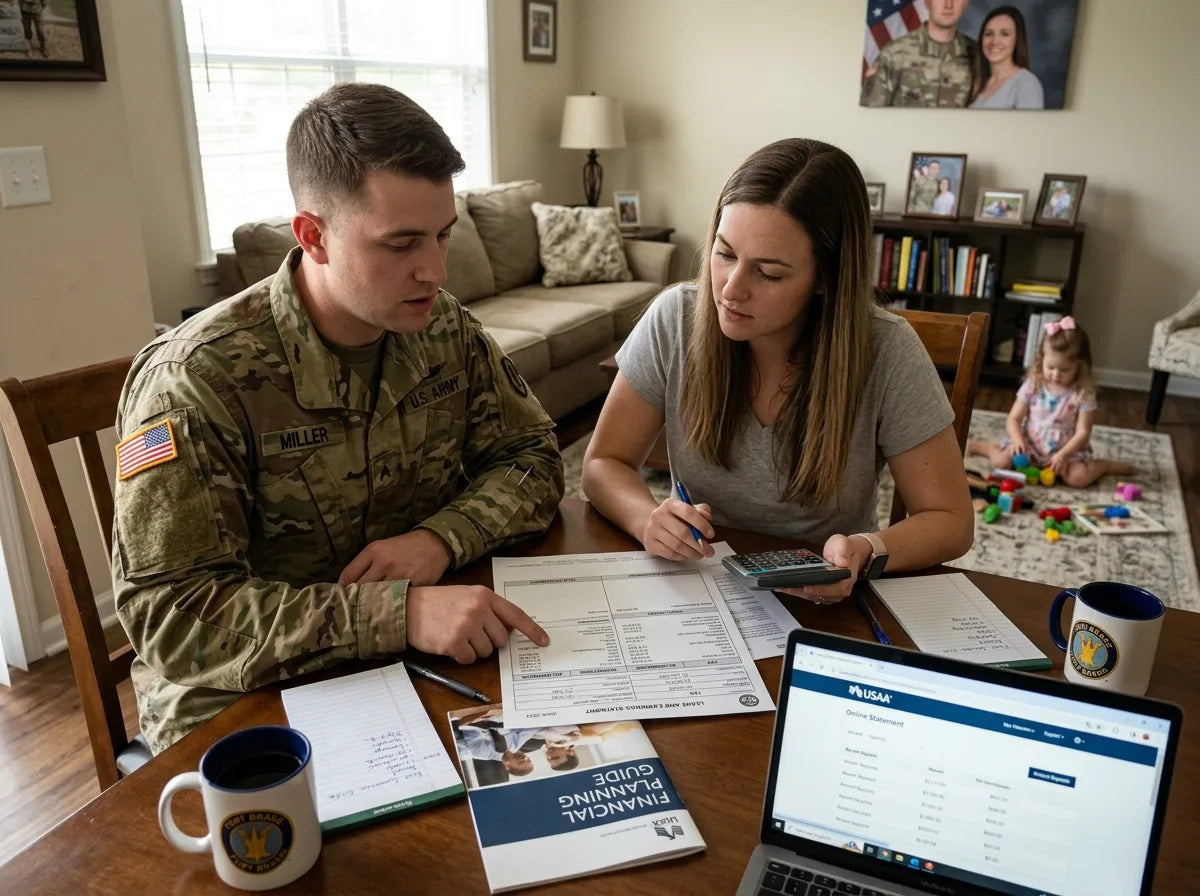
One of the most compelling reasons people enlist is the financial package. Military compensation goes far beyond a base salary. When you factor in housing allowances, food stipends, healthcare, and retirement benefits, the total value often exceeds what comparable civilian jobs offer, especially without a college degree.
Active duty service members receive Basic Allowance for Housing (BAH) and Basic Allowance for Subsistence (BAS), which are non-taxable. That means more take-home pay than the base salary figure suggests. Add in free healthcare for you and your dependents, and the savings are substantial.
Military Pay vs. Civilian Pay: A Realistic Comparison
| Factor | Military | Civilian (No Degree) |
|---|---|---|
| Base Pay (Entry Level) | 💰 ~$24,000/yr + allowances | 💰 ~$28,000-35,000/yr |
| Healthcare | ✅ Free (TRICARE) | ❌ Out of pocket or employer plan |
| Housing | ✅ BAH or on-base housing | ❌ Full cost on you |
| Retirement | ✅ Pension after 20 years | ⚠️ 401(k) only if offered |
| Education Benefits | ✅ GI Bill (up to full tuition) | ❌ Student loans typical |
The GI Bill is a major financial asset. It can cover full tuition at public universities and provides a monthly housing stipend while you study. For many veterans, this benefit alone justifies their service, especially if they use it at a state school and graduate debt-free.
🎯 Career Development and Transferable Skills

The military trains people in ways that most civilian employers genuinely value. Leadership under pressure, discipline, teamwork, and technical expertise are built into the structure of service. These are not soft skills, they are hard-earned competencies that translate directly into civilian careers.
Many military occupational specialties (MOS) offer hands-on technical training in fields like cybersecurity, aviation mechanics, logistics, healthcare, and engineering. Some of this training is equivalent to two or four years of civilian schooling, and it comes at no cost to the service member.
Skills That Transfer Well to Civilian Jobs
- Leadership and management – even junior NCOs manage teams and budgets
- Technical certifications in IT, aviation, healthcare, and logistics
- Security clearances, which are highly valued in government and defense contracting
- Crisis management and decision-making under pressure
- Cross-cultural communication from overseas deployments
- Project management and operational planning experience
Veterans with security clearances are in high demand in the defense industry. A Top Secret/SCI clearance can take years and significant cost to obtain in the private sector. Leaving the military with one already in hand gives veterans a meaningful edge in the job market.
⚠️ The Real Costs and Sacrifices of Military Service

Honesty matters here. Military service comes with real costs that recruiting materials tend to downplay. Understanding these trade-offs is essential before signing a contract.
Deployments and time away from family are among the hardest parts of service life. Depending on your branch and MOS, you could spend months or years overseas, sometimes in active combat zones. This puts enormous strain on marriages, parenting relationships, and personal mental health.
Physical and Mental Health Risks
The physical demands of military service can lead to long-term injuries. Joint problems, hearing loss, and back injuries are common among veterans. Post-traumatic stress (PTSD) affects a significant percentage of combat veterans, and the transition back to civilian life can be isolating and difficult for many.
The VA healthcare system provides support, but access and quality vary. It is important to enter service understanding that these health risks are real and that the support systems, while improving, are not perfect.
Loss of Personal Freedom
In the military, you do not choose where you live, when you work, or what you do with your time. You can be relocated with little notice, assigned roles you did not request, and required to meet physical and conduct standards at all times. For people who value autonomy, this is a significant adjustment that some find difficult to sustain for years.
It is also worth noting that military contracts are legally binding. Leaving before your commitment ends is not a simple process and can have serious legal consequences. Know exactly what you are signing before you sign it.
🏛️ Service, Purpose, and Identity
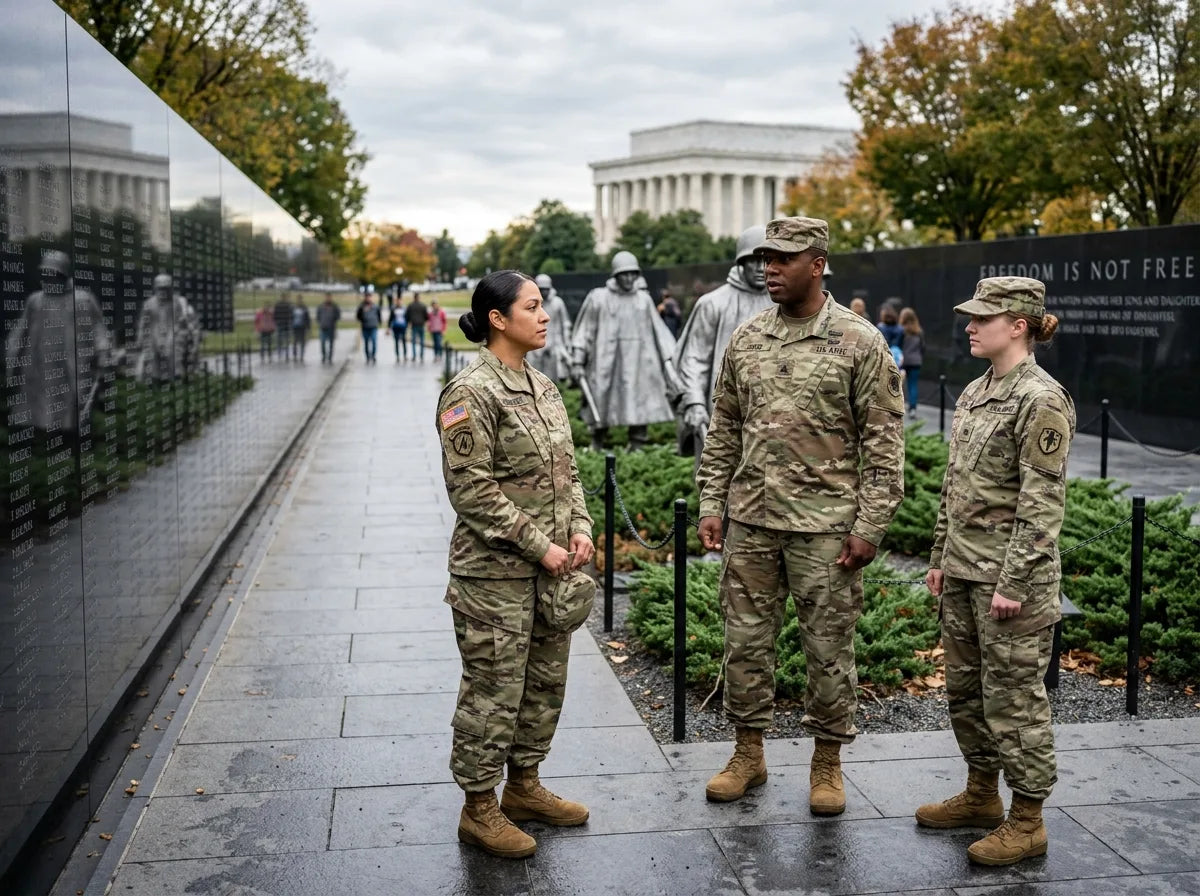
For many veterans, the non-financial aspects of military service are the most meaningful. The sense of belonging to something larger than yourself, serving your country, and being part of a tight-knit community are powerful motivators that money cannot fully capture.
Many service members describe the military as giving them a clear sense of purpose and identity during formative years. The structure, the camaraderie, and the shared mission create bonds that often last a lifetime. If you are curious about how military service has shaped national leadership, it is interesting to explore which presidents served in the military and how that experience influenced their character and decision-making.
The military also offers a path to citizenship for non-citizens, access to commissioning programs for officers, and opportunities to serve in specialized roles like special operations, intelligence, or medicine. The range of paths within military service is broader than most people realize.
🔍 Who Is Military Service Best Suited For?

Military service is not the right fit for everyone, and that is perfectly fine. But certain profiles tend to thrive in and benefit most from the experience.
- People who want structured career development without a four-year degree upfront
- Individuals who perform well in team-based, high-accountability environments
- Those seeking to fund higher education through service (GI Bill users)
- People motivated by public service, national security, or community
- Candidates who want to build a security clearance or technical specialty early in their career
- Those who are physically fit and willing to maintain high fitness standards
On the other hand, people who struggle with authority, require geographic stability for family reasons, or have health conditions that limit physical activity may find military life more challenging than rewarding. Self-awareness before enlisting is more valuable than any recruiter’s pitch.
Active Duty vs. Reserve or National Guard
Not everyone has to choose between full military commitment and no service at all. Reserve and National Guard service offers a middle path, part-time service with access to many of the same benefits, including education funding, healthcare during activation, and retirement benefits, while allowing you to maintain a civilian career and lifestyle.
This option suits people who want the benefits and sense of service without the full-time commitment of active duty. The trade-off is that you can still be activated and deployed, sometimes with less predictability than active duty schedules.
💪 Physical Standards and Long-Term Health

Military service demands physical readiness from day one. Boot camp is designed to push recruits to their limits, and physical fitness remains a requirement throughout a service member’s career. For many, this enforced discipline around health and fitness becomes a lifelong asset.
Veterans who maintain the fitness habits developed during service often report better long-term health outcomes than their civilian peers. The discipline of consistent training, proper nutrition, and physical standards is genuinely valuable. If you want to understand what military-style training looks like in practice, learning about what military workouts involve can give you a clearer sense of the physical demands and their real-world benefits.
That said, repetitive stress injuries are common in military careers. Running on hard surfaces, carrying heavy loads, and high-intensity training over years takes a toll. Many veterans deal with knee, back, and shoulder problems well into civilian life. This is a real consideration, not a reason to avoid service, but something to factor into your decision.
✅ Final Verdict: Is Joining the Military Worth It?

The military is absolutely worth it for the right person with the right expectations. It offers financial stability, education benefits, career skills, and a sense of purpose that few civilian paths can match at the same entry level. But it also demands real sacrifice: time away from family, physical risk, limited personal freedom, and potential long-term health consequences. The key is going in with honest expectations, not recruiter promises. If you value structure, service, and long-term planning, military service can be one of the most rewarding decisions of your life. If you prioritize autonomy and stability above all else, it may not be the right fit. Know yourself first.