
How to Choose a Tactical Balaclava: 1-Hole, 2-Hole or 3-Hole, Fabric and Fit
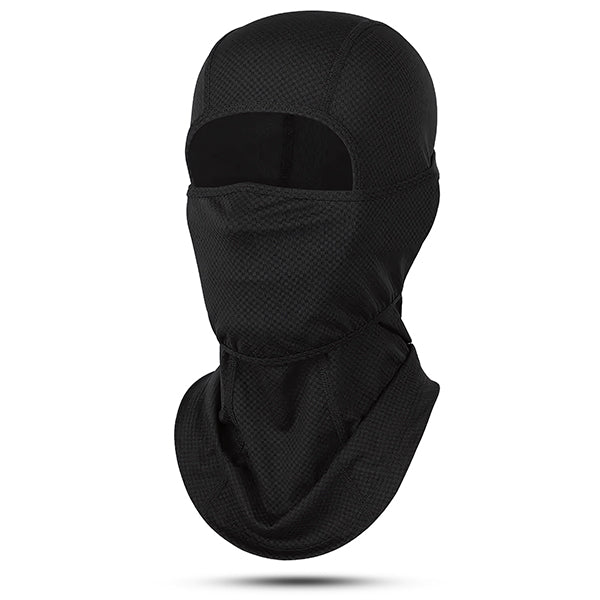
The right tactical balaclava comes down to three choices: the opening style (1-hole, 2-hole or 3-hole), the fabric (thermal fleece or knit for cold, breathable mesh or light synthetic for heat and sun), and a fit that stays put under a helmet, hood or cap. Get those three right and the color or camo pattern is simply a matter of where you will wear it. This guide walks through each decision so you can pick a balaclava that actually suits your use, whether that is winter training, airsoft, cycling, hunting or long days in the sun.
What a Tactical Balaclava Is For
A balaclava is a close-fitting hood that covers the head, face and neck, leaving only the areas you need open. Military and tactical versions are built around practical goals rather than looks:
- Weather protection: blocking wind and cold on exposed skin, or shielding the face and neck from sun and dust.
- Concealment: breaking up the outline and color of a bare face, which stands out in natural terrain.
- Layering: working as a thin liner under a helmet, hood or hat without adding bulk.
- Versatility: many models can be pulled down into a neck gaiter or rolled up when you do not need full coverage.
Because one balaclava rarely does everything well, it helps to start with the conditions you expect most often. Browse our full range of tactical balaclavas once you know which of the profiles below fits you.
1-Hole, 2-Hole or 3-Hole: Choosing the Opening Style
The number of openings is the first thing to decide, because it determines how much of the face stays covered and how easily you can breathe, talk and see.
1-Hole (Single Opening)
A 1-hole balaclava has one opening, either a narrow slot around the eyes or a wider window that exposes the eyes, nose and mouth. The eye-slot version gives the most coverage and is the classic military profile. Its main drawback is breathing: in cold weather, moisture from your breath collects in the fabric over the mouth. Wider face openings solve this and make the balaclava easy to pull down into a neck gaiter, which is why they are popular with cyclists and anyone who switches between full and partial coverage.
2-Hole (Eye Holes)
A 2-hole balaclava has two separate eye openings and keeps the bridge of the nose covered. It offers more facial coverage than a wide single opening and holds its position well around the eyes. On the other hand, it can feel more restrictive for breathing and talking, and it needs to fit precisely or the eye holes will drift out of line when you turn your head. It suits cold, windy conditions and users who want a snug, traditional look.
3-Hole (Eyes and Mouth)
A 3-hole balaclava adds a separate mouth opening to the two eye holes. That makes breathing, drinking and speaking much easier while keeping the cheeks, nose and forehead covered. Knitted 3-hole models are a common choice for cold weather, since the mouth opening reduces the damp, frozen patch that forms over a covered mouth.
| Style | Coverage | Breathing and talking | Best suited to |
|---|---|---|---|
| 1-hole, eye slot | Maximum | Restricted | Concealment, wind, cold |
| 1-hole, open face | Moderate | Easy | Cycling, layering, all-round use |
| 2-hole | High | Restricted | Cold and windy conditions |
| 3-hole | High | Easy | Cold weather with frequent talking or drinking |
Fabrics: Matching the Material to the Conditions
Fabric matters more than any other feature, because it decides whether the balaclava keeps you warm, keeps you cool or simply makes you sweat.
Thermal Fleece and Brushed Linings
Fleece-lined and brushed thermal fabrics trap a layer of warm air against the skin and block wind well. They are the right choice for winter hiking, cold-weather training, skiing and riding in low temperatures. A thermal winter balaclava with full head and neck coverage is a good example of this category. The trade-off is that fleece can overheat you during hard exercise, so it works best when you are moving at a steady pace or standing still.
Knit
Ribbed knit balaclavas, often in 3-hole cut, provide good insulation and stretch comfortably over the head. They are traditional, soft and easy to wear, but a loose knit lets more wind through than a dense fleece and takes longer to dry once wet.
Breathable Mesh and Micro-Grid Synthetics
Lightweight synthetic fabrics with a mesh or micro-grid texture let air and moisture pass through. They are the go-to choice for airsoft, active outdoor sports and mild weather, and they fit easily under a helmet. Our black micro-grid sport balaclava is built this way: a light, textured fabric that covers the head, face and neck without the bulk of a winter model.
Sun Protection Fabrics
Thin, light-colored balaclavas are designed to keep the sun off the face, ears and neck while staying cool. They are useful for desert-style conditions, fishing, long rides and summer training. A breathable white sun protection balaclava reflects more heat than a black one and covers the areas that a cap leaves exposed. If sun protection is your main reason for buying, check the product description for a stated UV rating rather than assuming every light fabric blocks UV equally.
Colors and Camo Patterns
Color should follow your environment and purpose:
- Black: the most common choice for a black military balaclava look. It suits night use, urban settings, cycling and general wear, and it matches most tactical clothing. In strong sun, black absorbs more heat.
- Olive, khaki and tan: solid earth tones blend into woodland, dry grass and desert terrain without the busy look of a pattern.
- Multicam: a multi-environment camouflage pattern designed to work across a wide range of terrain and lighting. A Multicam balaclava is a sensible pick when you will move between different landscapes or want it to match Multicam uniforms and packs.
- Digital, woodland and desert camo: more specialized patterns. Choose the one that matches the environment and the rest of your kit.
- White and grey: useful for snow and for sun protection, where a light color stays cooler.
If you are building a full setup, it is worth matching the balaclava to your hat and gloves so that no piece stands out. Pair it with tactical gloves and tactical hats in the same tones for a consistent look.
Sizing and Fit
Most balaclavas are made in one size with stretch fabric, so fit depends on the material and cut rather than a size chart. A few checks will tell you whether a model will work for you:
- Snug, not tight: the fabric should sit close to the face without pulling the eye openings out of shape or pressing on the ears.
- Eye openings in line: on 2-hole and 3-hole models, the holes must stay aligned when you turn your head. If they shift, the fit is too loose.
- Neck length: a longer neck section tucks into a jacket collar and stops cold air from reaching the throat.
- Helmet compatibility: if you wear a helmet, choose a thin fabric and avoid thick seams on top of the head, which can create pressure points.
- Glasses and goggles: make sure the eye area does not push your eyewear out of position, and that breath is directed away from the lenses to limit fogging.
Always check the individual product page for any sizing or fit notes before ordering.
Choosing by Use Case
Cold Weather and Winter Activities
Choose fleece-lined or thermal fabric, full head and neck coverage, and a 3-hole or open-face design if you will be breathing hard. A wind-resistant outer face makes the biggest difference on exposed ridges or when riding.
Airsoft and Field Games
Prioritize breathability and a thin profile that fits under a helmet and works with eye protection. A mesh or micro-grid balaclava in black or a camo pattern that matches your loadout is the usual choice. Remember that a fabric balaclava is not face protection against impacts; wear proper rated eye protection and follow your field’s rules.
Cycling and Motorcycling
Look for a slim, lightweight fit that sits comfortably under a helmet, with a design that keeps wind off the face and neck. Thermal versions suit winter rides, while breathable fabrics are better for warmer days.
Sun, Heat and Dust
Choose a thin, light-colored fabric that covers the neck and ears. Open-face or 1-hole designs keep airflow high, and a balaclava worn under a brimmed hat gives the most complete coverage.
Hunting and Observation
Match the camo pattern to the terrain and season, and favor quiet, soft fabrics. Covering the face matters because skin tone and shine can be noticeable at a distance.
Care and Maintenance
A balaclava sits against your face and absorbs sweat, so regular washing keeps it fresh and comfortable. Follow the care label first. As a general rule:
- Wash in cold or lukewarm water, by hand or on a gentle cycle.
- Use a mild detergent and skip fabric softener, which can reduce the breathability of technical fabrics.
- Air dry away from direct heat. High heat can damage elastic fibers, shrink knits and flatten fleece.
- Store it dry and flat or loosely folded so the eye openings keep their shape.
Owning two balaclavas, a thermal one for cold days and a breathable one for warm or active days, is the simplest way to stay comfortable all year.
Frequently Asked Questions
What is the difference between a 2-hole and a 3-hole balaclava?
A 2-hole balaclava has two eye openings and keeps the nose and mouth covered. A 3-hole balaclava adds a mouth opening, which makes breathing, talking and drinking easier while still covering most of the face.
Which tactical balaclava is best for cold weather?
A fleece-lined or thermal balaclava with full head and neck coverage gives the most warmth. If you will be exercising, a 3-hole or open-face design reduces the moisture that builds up over the mouth.
Can I wear a balaclava under a helmet?
Yes. Choose a thin, lightweight fabric with flat seams so it does not create pressure points, and make sure the eye area does not interfere with goggles or glasses.
Is a black or camo balaclava better?
Black is the most versatile for urban use, night and general wear. Camo patterns such as Multicam, woodland or desert are better when you want to blend into natural terrain or match a camouflage uniform.
How should I wash a tactical balaclava?
Follow the care label. In general, wash it in cold water with a mild detergent, avoid fabric softener and let it air dry away from direct heat.