
What Is a Private Contractor With the Military
Military private contractors are a massive part of modern defense operations, yet most people have only a vague idea of what they actually do. Whether you’re considering a career in this field, researching defense spending, or simply curious, here’s a clear breakdown of what it means to work as a private contractor with the military.
🎯 What Is a Private Military Contractor?
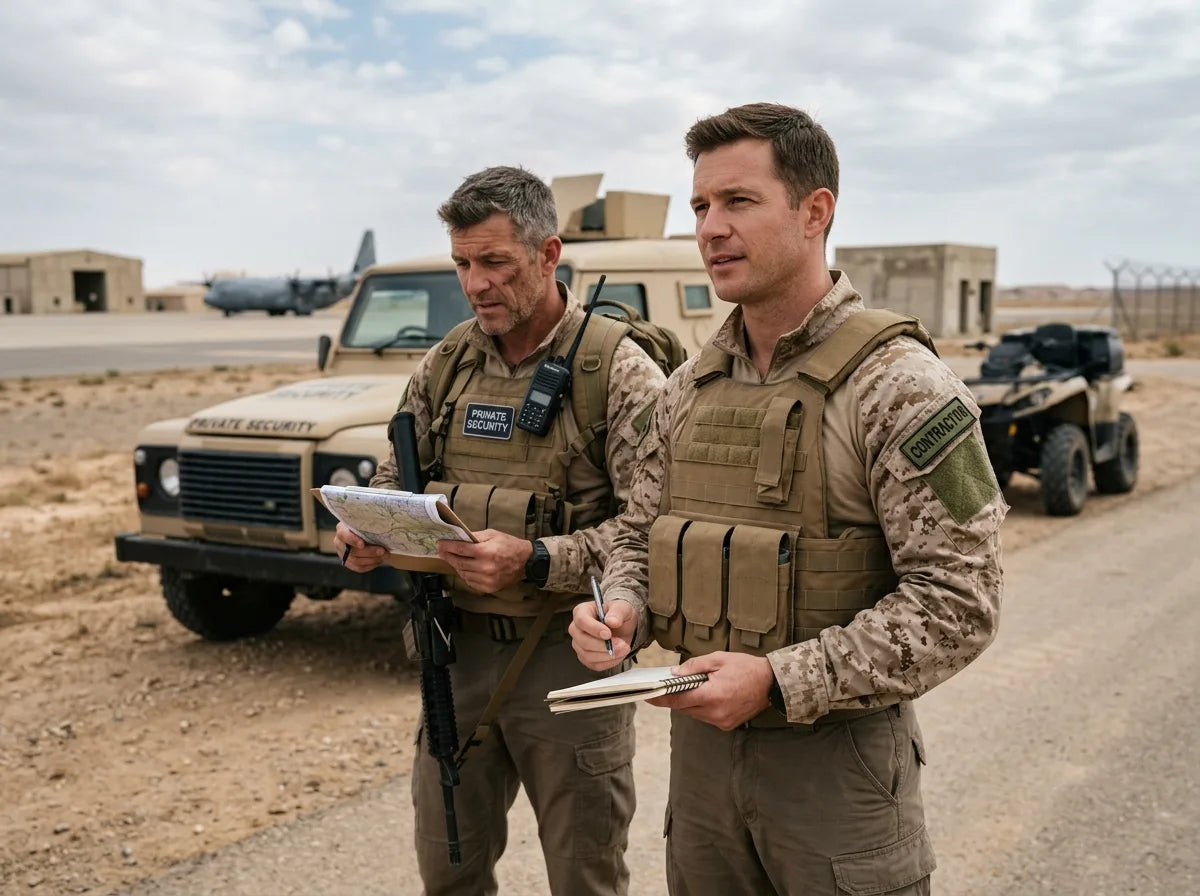
A private military contractor (PMC) is an individual or company hired by a government, military branch, or defense agency to provide specialized services under contract. These contractors are not active-duty soldiers. They are civilians, or sometimes veterans, employed by private firms to support military operations in a wide range of capacities.
The term covers an enormous spectrum. Some contractors maintain aircraft. Others provide cybersecurity, logistics, intelligence analysis, or even armed security in conflict zones. The common thread is that they operate outside the standard military chain of command, working under a formal contract rather than a military commission.
Private contractors have supported military operations for centuries, but the scale expanded dramatically after the Cold War, when many governments chose to outsource non-combat and support functions to reduce costs and maintain flexibility.
🔍 What Do Military Contractors Actually Do?
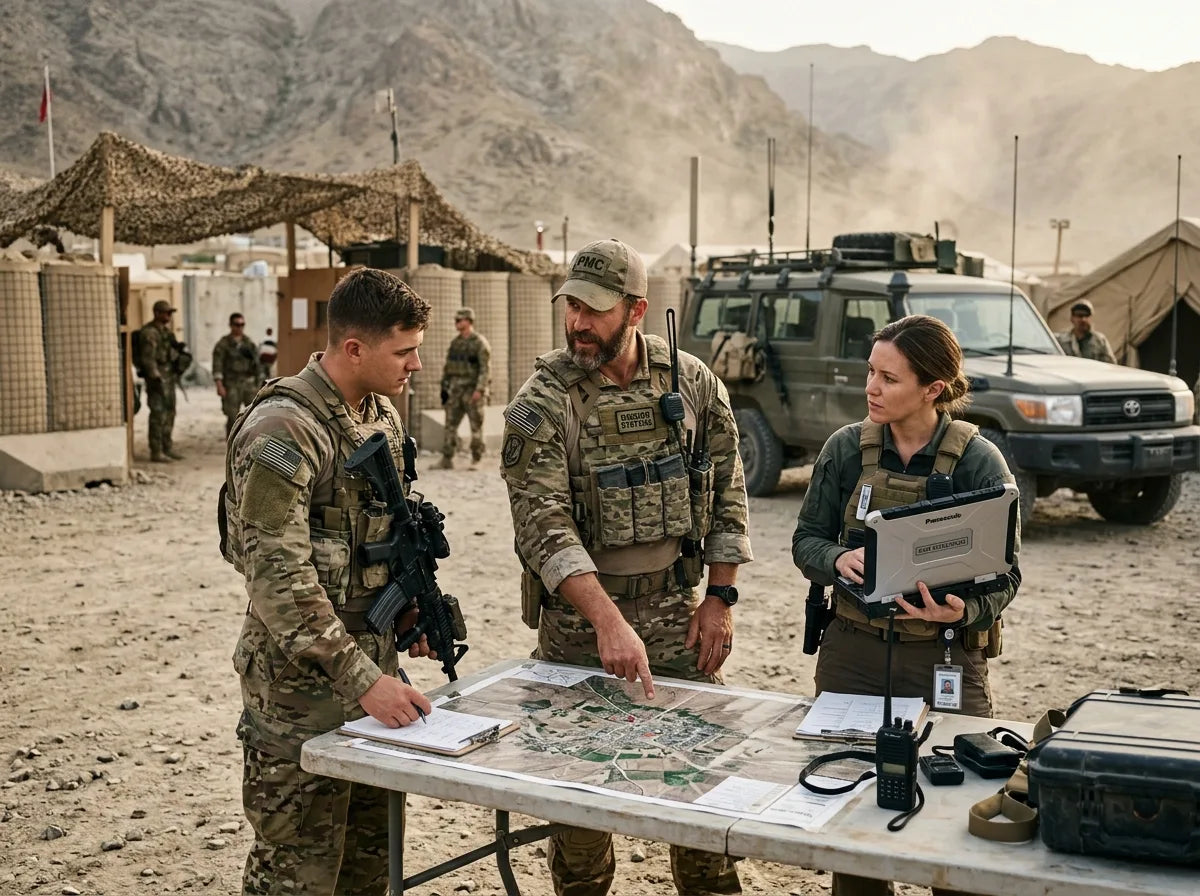
The scope of work available to military contractors is broader than most people realize. It is not limited to armed roles or combat zones. In fact, the majority of contractor positions are technical, administrative, or logistical in nature.
Technical and Engineering Support
Defense contractors in engineering and technology roles help design, build, and maintain the equipment and systems the military relies on. This includes weapons systems, communication networks, satellites, and vehicle maintenance. Companies like Lockheed Martin, Raytheon, and Boeing operate in this space, employing thousands of engineers and technicians.
Logistics and Supply Chain
Moving troops, equipment, food, and fuel across the globe is a massive undertaking. Private contractors handle a significant portion of this work. They manage warehouses, coordinate transportation, and ensure that forward operating bases have the supplies they need to function.
Intelligence and Cybersecurity
Intelligence agencies and military branches regularly hire private contractors for data analysis, signals intelligence, and cybersecurity operations. These roles often require high-level security clearances and specialized technical backgrounds. Edward Snowden, famously, was a private contractor working for the NSA when he leaked classified documents, which brought this world into public view.
Armed Security and Personal Protection
This is the category that generates the most controversy. Private security contractors, sometimes called mercenaries in public discourse (though the legal definitions differ significantly), provide armed protection for military officials, embassies, convoys, and facilities in high-risk areas. Companies like the former Blackwater, now known as Academi, became household names after incidents in Iraq brought their work into public scrutiny.
Training and Advisory Services
Many contractors are hired specifically to train foreign military forces or provide advisory support. Retired military personnel with specialized expertise are highly sought after for these roles, which can range from small arms instruction to advanced tactical planning.
💰 How Much Do Military Contractors Earn?
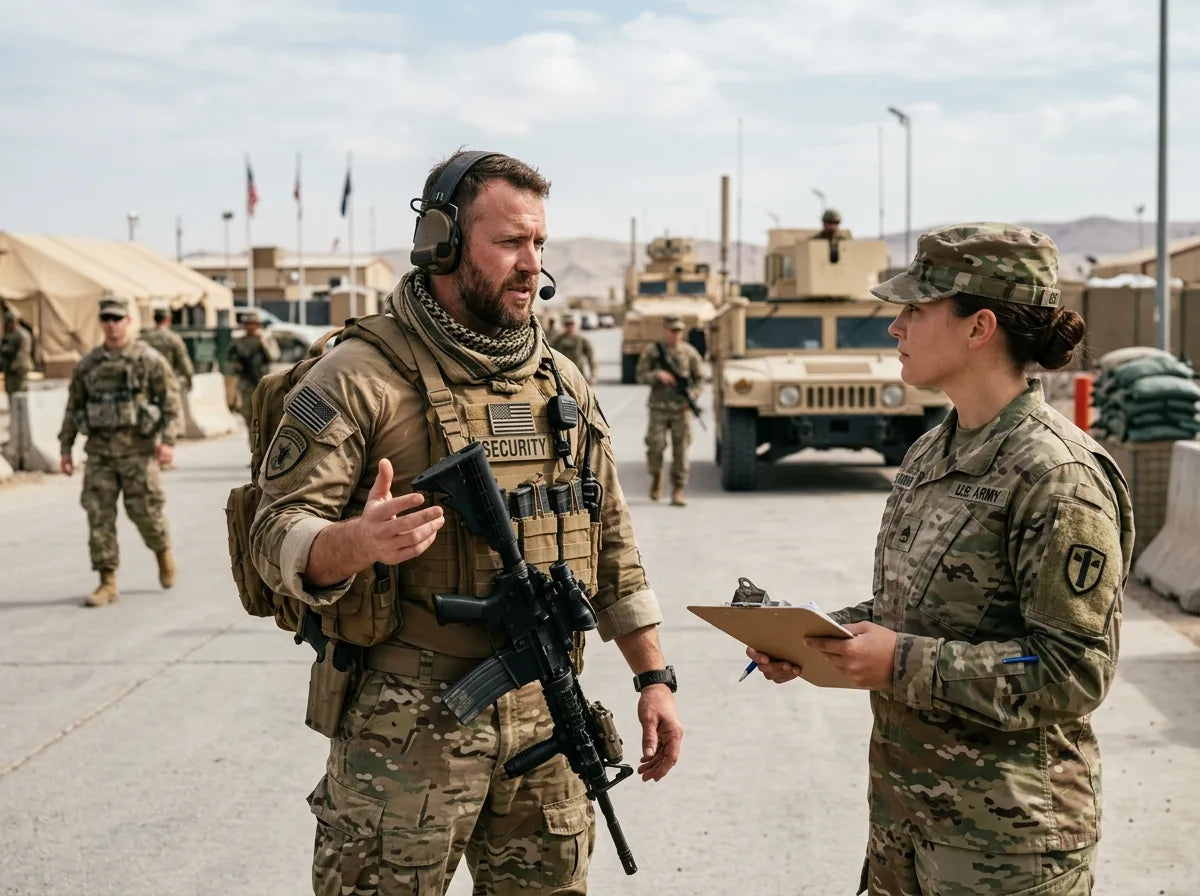
Compensation for military contractor work varies widely depending on the role, location, risk level, and the employing company. However, the pay is generally competitive, and in high-risk zones, it can be exceptional.
| Role Type | Estimated Annual Pay | Risk Level |
|---|---|---|
| Logistics Coordinator | 💰 $55,000 – $90,000 | Low |
| IT / Cybersecurity Analyst | 💰 $80,000 – $140,000 | Low |
| Defense Engineer | 💰 $90,000 – $160,000 | Low – Medium |
| Armed Security Contractor | 💰 $100,000 – $250,000+ | High |
| Intelligence Analyst | 💰 $70,000 – $130,000 | Low – Medium |
Beyond base salary, many contractors working in conflict zones receive hazard pay, tax exclusions for overseas income, and generous per diem allowances. However, benefits like health insurance, retirement plans, and job security are often less robust than what active-duty military personnel receive.
📋 Requirements to Become a Military Contractor
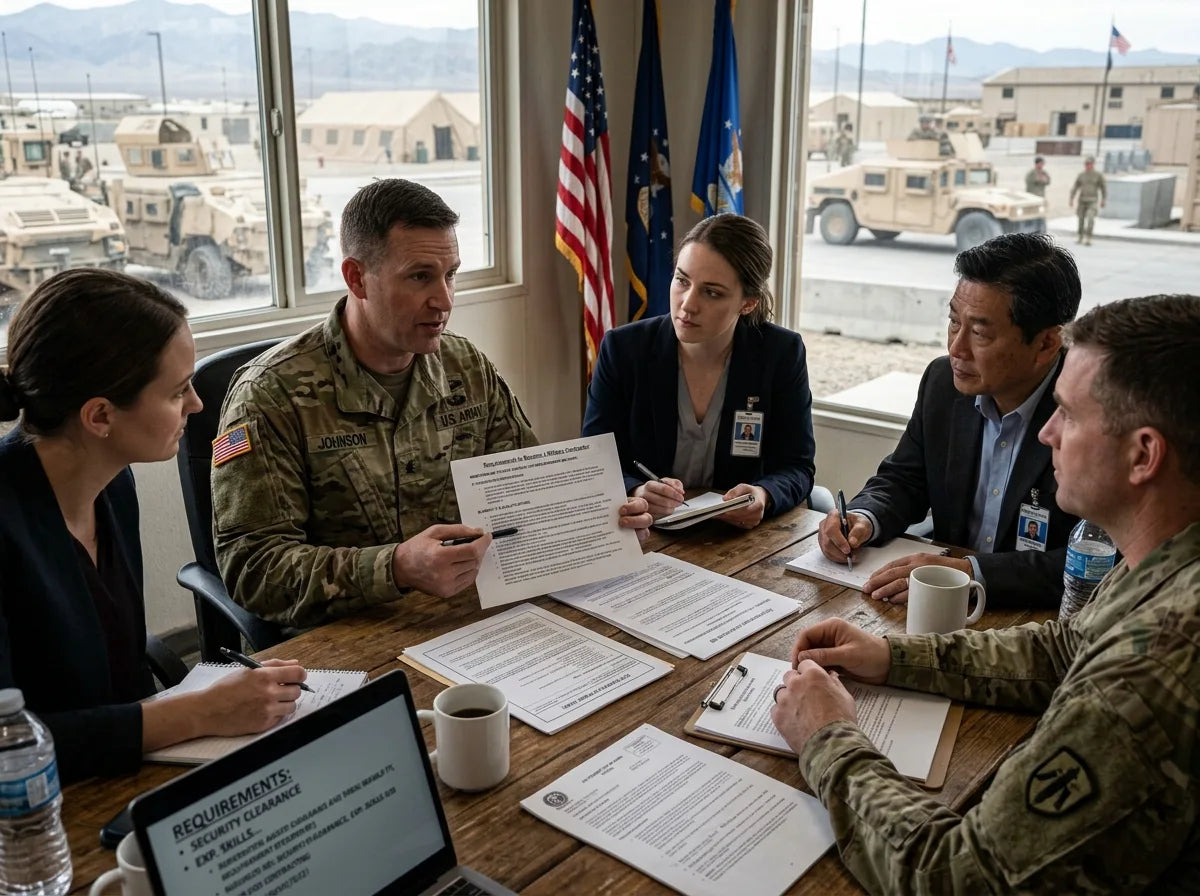
There is no single path into military contracting because the field is so diverse. That said, certain qualifications appear consistently across most high-value contractor positions. Understanding what it means to work with military-grade standards, similar to how we explore what military grade means in terms of equipment and specifications, helps clarify the level of professionalism and reliability expected from contractors as well.
Common Requirements Across Contractor Roles
- Security clearance – Many positions require Secret or Top Secret clearance, which involves an extensive background investigation
- Military or law enforcement background – Especially valued for security and advisory roles, though not always mandatory
- Specialized technical skills – Engineering degrees, IT certifications, or language proficiency depending on the role
- U.S. citizenship – Required for most positions involving classified information or U.S. government contracts
- Physical fitness standards – Required for field-based and security roles, often aligned with military benchmarks
- Relevant certifications – PMP for project management, CompTIA or CISSP for cyber roles, weapons qualifications for armed positions
Veterans have a significant advantage in this field. Their existing clearances, physical training, and familiarity with military culture make them highly attractive candidates. Many transition directly from active duty into contracting roles with the same agencies or units they previously served.
⚠️ Legal Status and Controversies Around Private Military Contractors

The legal framework governing private military contractors is complex and, in some areas, still poorly defined. Contractors are not classified as combatants under international law in the same way soldiers are. This creates significant gray areas, particularly regarding accountability when things go wrong.
The legal definition of a mercenary under international law requires meeting several specific criteria, and most PMC employees technically do not qualify. This distinction matters because mercenaries have very limited legal protections, while contractors operating under U.S. government contracts have some degree of legal coverage, though it remains inconsistent across jurisdictions.
Several high-profile incidents have raised serious questions about oversight and accountability in this industry:
- The Nisour Square massacre in Iraq, involving Blackwater contractors, resulted in civilian deaths and years of legal proceedings
- Contractor involvement in Abu Ghraib prison abuses raised questions about civilian accountability in military settings
- Billions in government contracts have been flagged by oversight bodies for waste, fraud, and abuse
- The lack of consistent reporting on contractor casualties in conflict zones obscures the true human cost of these operations
Reform efforts have pushed for greater transparency, stronger oversight mechanisms, and clearer rules of engagement for armed contractors. The Military Extraterritorial Jurisdiction Act (MEJA) and the Uniform Code of Military Justice (UCMJ) have both been expanded in scope to address some of these gaps, but enforcement remains inconsistent.
🎯 Private Contractor vs. Active-Duty Military: Key Differences
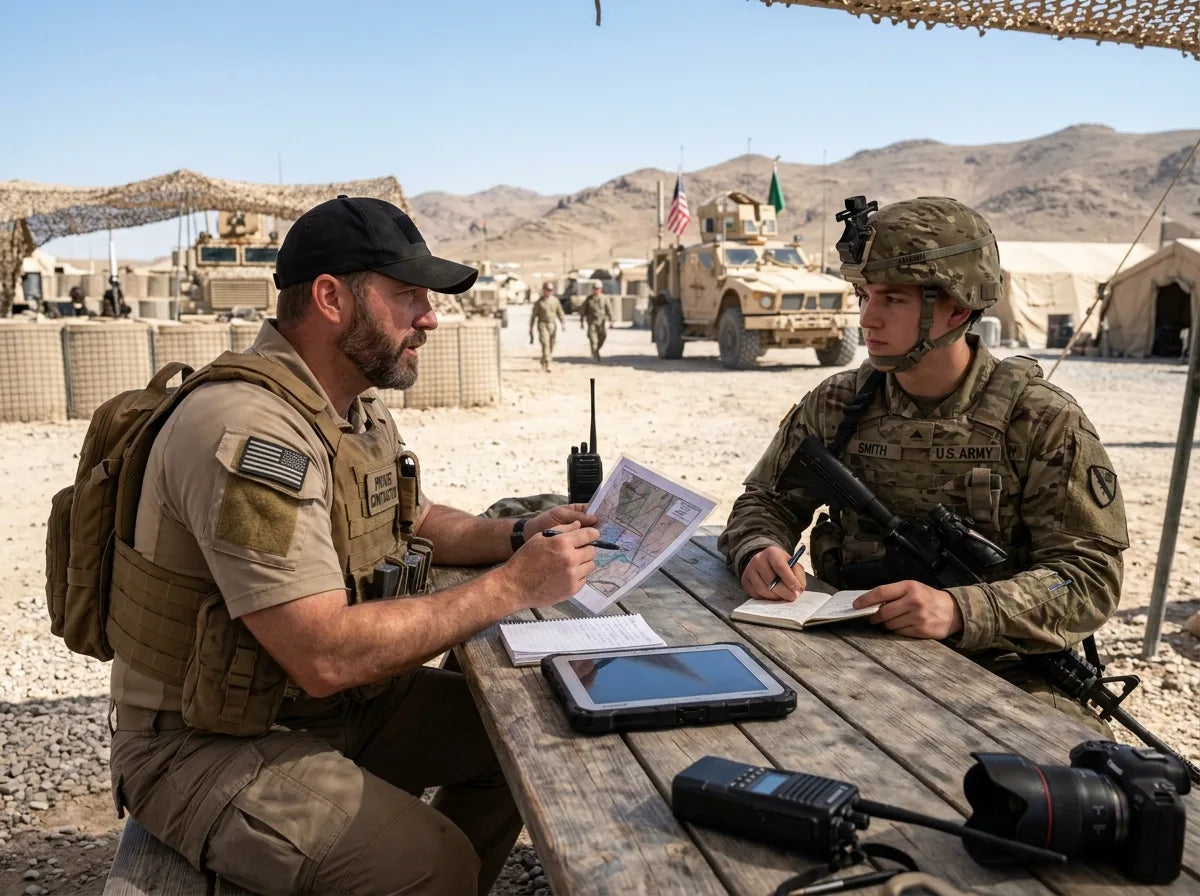
Understanding how contractors differ from active-duty service members is essential for anyone evaluating this career path or trying to understand defense policy.
| Factor | Private Contractor | Active-Duty Military |
|---|---|---|
| Employment | Private company or self-employed | U.S. government / DoD |
| Chain of Command | Contract terms and company policy | Military rank structure |
| Benefits | Varies by employer, often limited | Full military benefits package |
| Deployment Control | Can decline assignments | Orders are mandatory |
| Legal Accountability | Complex, jurisdiction-dependent | UCMJ applies clearly |
| Pay Potential | Often higher, especially in field | Standardized pay scales |
One key advantage contractors have is flexibility. They can negotiate contracts, switch employers, and in many cases earn significantly more than their active-duty counterparts in equivalent roles. The trade-off is less institutional support, fewer guaranteed benefits, and greater personal responsibility for career management.
🏛️ How the Government Manages Defense Contracting

The U.S. Department of Defense manages one of the largest procurement systems in the world. Contracts are issued through formal acquisition processes governed by the Federal Acquisition Regulation (FAR), which sets rules for how government contracts must be awarded, managed, and audited.
Major defense contractors like General Dynamics, Northrop Grumman, and SAIC compete for large prime contracts, then often subcontract specialized work to smaller firms or independent consultants. This creates a layered ecosystem where individual contractors may work several steps removed from the original government client.
Oversight bodies including the Government Accountability Office (GAO) and the Special Inspector General offices monitor contract performance and spending. Related to how defense infrastructure is organized, understanding what the Military District of Washington is can provide useful context for how military command structures interact with contracted civilian support in high-profile geographic and administrative zones.
Transparency in contracting has improved through platforms like USASpending.gov, which tracks federal contract awards and allows the public to see how defense dollars are allocated across companies and mission areas.
Final Thoughts
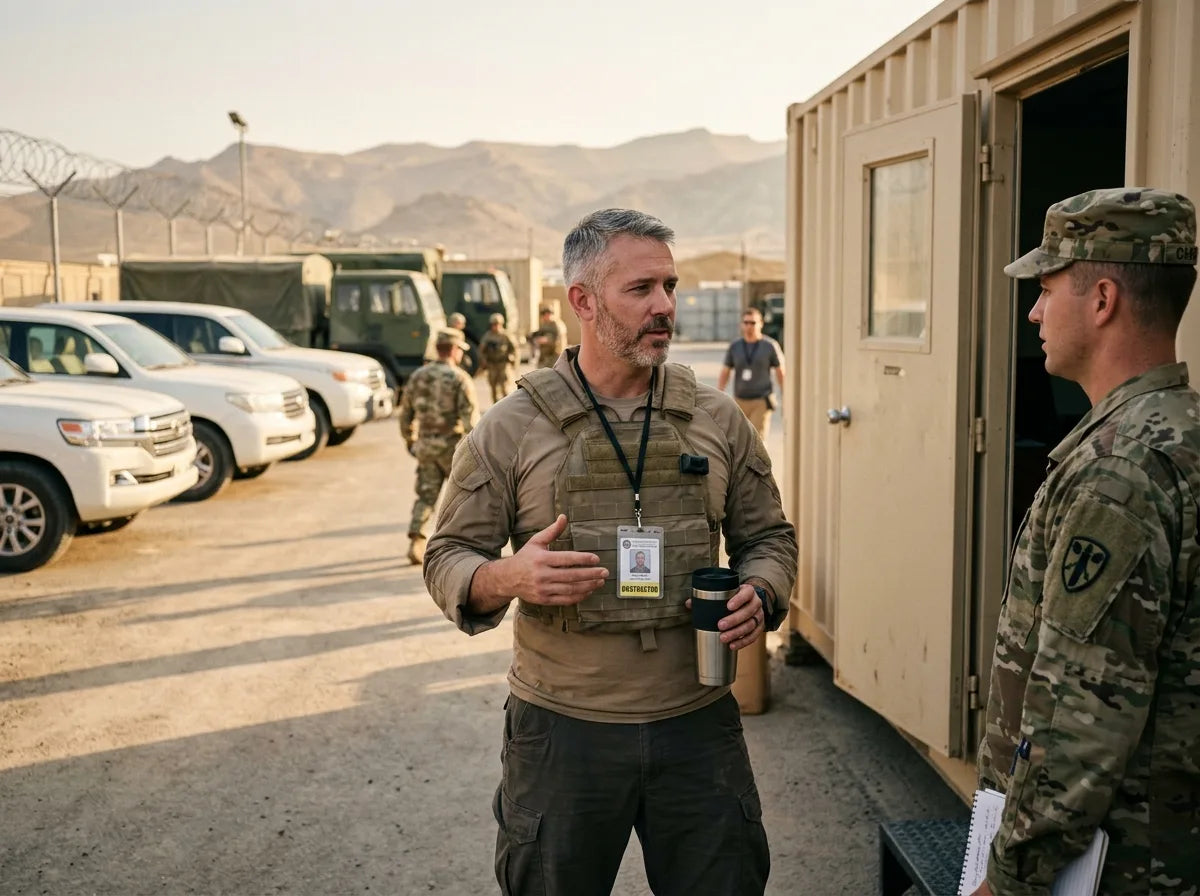
Private military contractors fill critical gaps in defense capability, from engineering and logistics to cybersecurity and armed security. The field offers strong earning potential, especially for veterans with clearances and specialized skills, but it comes with real trade-offs in benefits, legal protections, and job stability. Whether you’re exploring this as a career or trying to understand modern defense operations, knowing how this industry works gives you a much clearer picture of how today’s military actually functions on the ground.