Is Carlos Ex-Military in RE3
Carlos Oliveira is one of the most memorable characters in Resident Evil 3, and fans constantly debate his background. Is he military? A mercenary? Something else entirely? His combat skills, tactical gear, and no-nonsense attitude make the question completely valid. Here is a clear breakdown of who Carlos actually is.
🎯 Who Is Carlos Oliveira in Resident Evil 3?
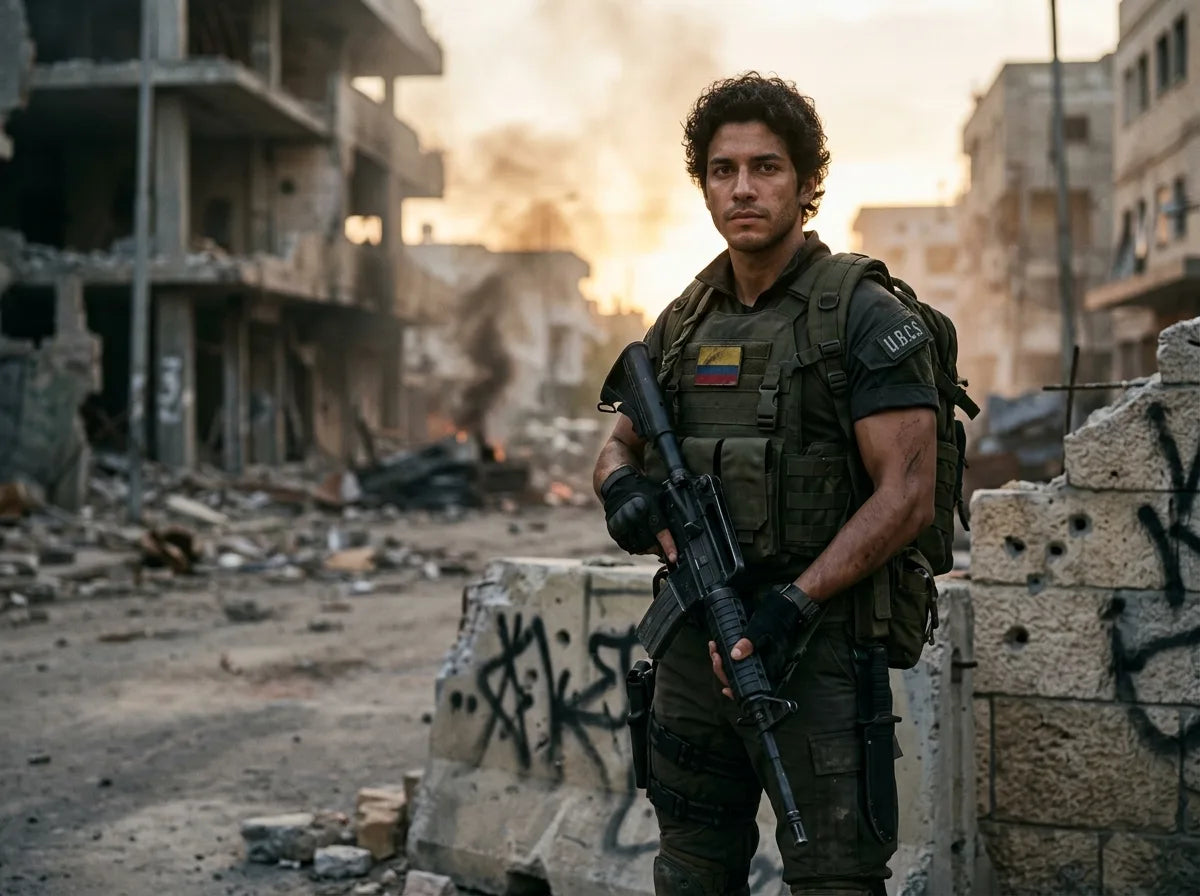
Carlos Oliveira serves as a major supporting character and playable protagonist in Resident Evil 3, both the original 1999 release and the 2020 remake. He works alongside Jill Valentine during the Raccoon City outbreak, helping her survive the relentless pursuit of the Nemesis creature while navigating a city collapsing into chaos.
His character is defined by a combination of charm, bravery, and surprising competence. He is not just a sidekick. Carlos holds his own in combat, demonstrates solid tactical awareness, and shows genuine loyalty to the people around him, even when the mission falls apart completely.
Carlos Oliveira’s Role in the Story
Carlos is introduced as part of a team sent into Raccoon City during the outbreak. He is not a random survivor trying to escape. He arrives with a squad, a mission, and equipment. His job is to extract civilians and gather data, which immediately signals that he has some kind of organized, trained background rather than being a civilian caught in the wrong place.
Throughout the game, Carlos demonstrates leadership instincts, weapons proficiency, and the ability to function under extreme pressure. These traits fuel the ongoing question about whether his background is rooted in formal military service.
🪖 Is Carlos Ex-Military? His Official Background Explained
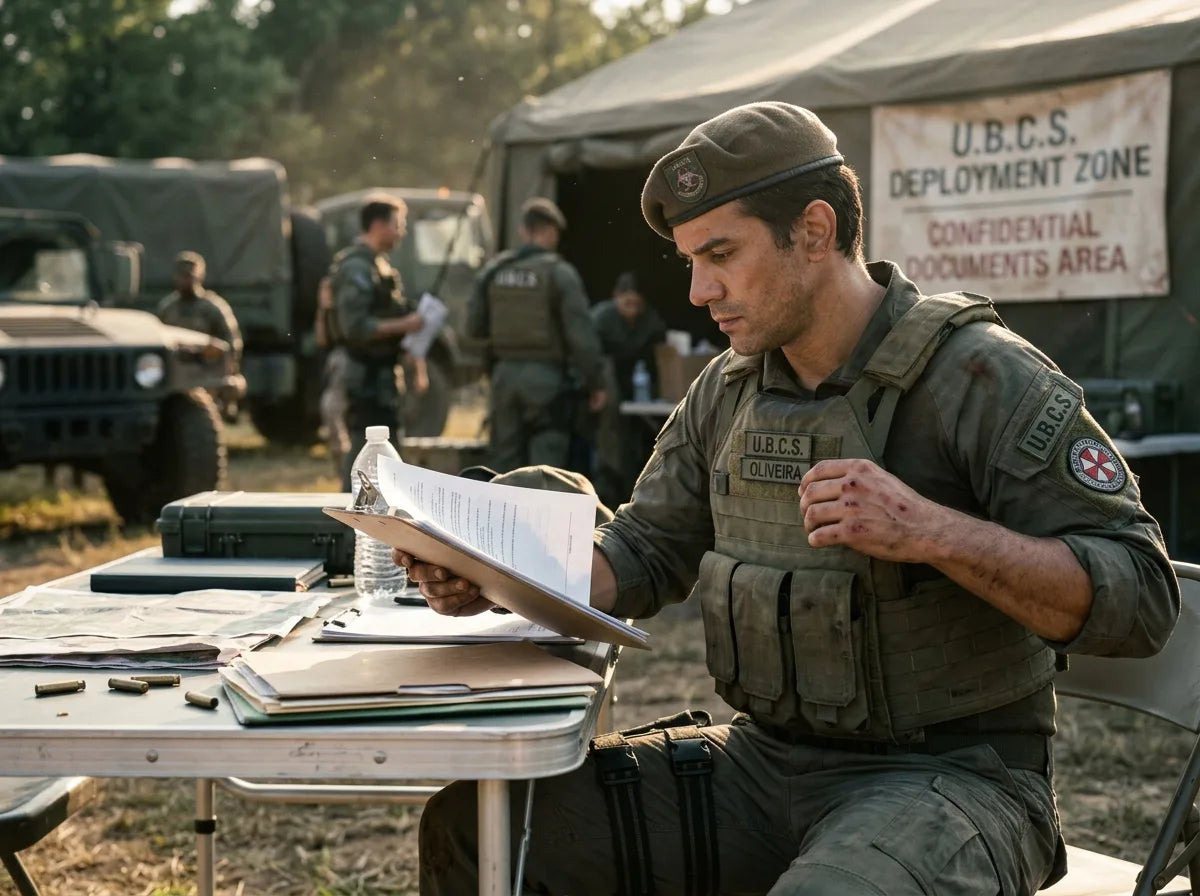
The direct answer is: Carlos Oliveira is not a traditional military soldier, but his background is closely tied to armed conflict and paramilitary service. According to the official Resident Evil lore, Carlos is a former guerrilla fighter from South America who was later recruited by Umbrella Biohazard Countermeasure Service, commonly known as the U.B.C.S.
He grew up in a region marked by political instability and armed conflict. As a young man, he participated in guerrilla warfare, which gave him real combat experience outside of any formal military institution. This is a critical distinction. His skills are genuine and battle-tested, but they did not come from a government army or an official military branch.
Guerrilla Fighter vs. Formal Military Service
The difference between guerrilla combat experience and formal military training matters when answering this question accurately. Guerrilla fighters operate outside of state military structures. They often have exceptional survival skills, improvised tactics, and high adaptability, but they lack the institutional rank, documentation, and standardized training that define a military career.
Carlos fits the guerrilla profile. His fighting style is aggressive and adaptable. He uses whatever weapons are available, moves efficiently through hostile environments, and makes quick decisions without waiting for orders. These are hallmarks of someone trained in asymmetric warfare rather than conventional military doctrine.
The U.B.C.S. Connection
After his time as a guerrilla fighter, Carlos was recruited into the Umbrella Biohazard Countermeasure Service. The U.B.C.S. was a private paramilitary organization created by the Umbrella Corporation. It was specifically designed to handle biohazard incidents and, in practice, served as a way for Umbrella to send in expendable personnel during outbreaks.
The U.B.C.S. recruited heavily from individuals with combat backgrounds who had few other options, including mercenaries, former guerrilla fighters, and ex-convicts. Carlos was a prime candidate. His South American combat experience made him operationally useful, and his circumstances made him recruitable.
⚔️ Carlos’s Combat Skills and Why They Feel Military
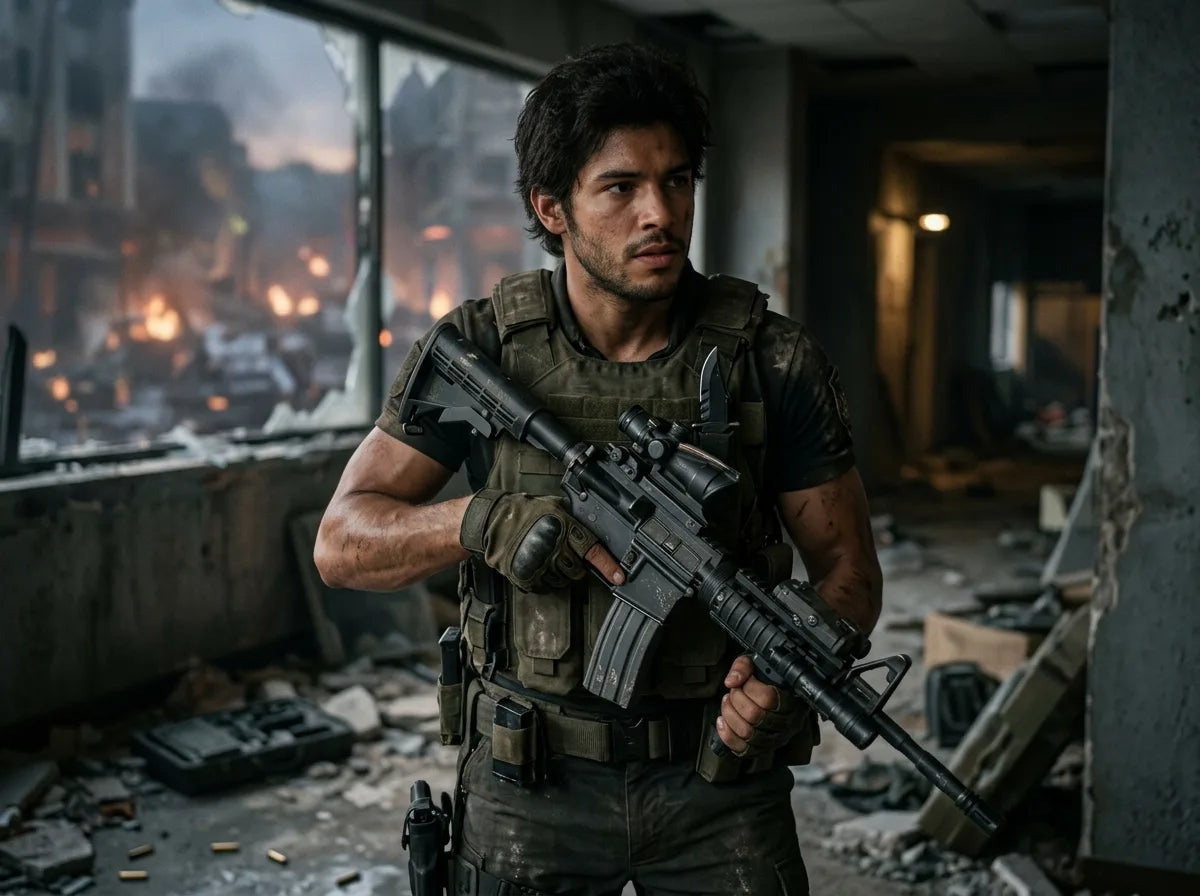
One reason so many players ask whether Carlos is ex-military is that he simply looks and acts the part. His presentation in both the original game and the remake reinforces a military aesthetic that is easy to associate with formal service.
- Tactical gear and equipment – Carlos wears body armor and carries military-grade weapons throughout the game
- Squad-based operations – He arrives in Raccoon City as part of an organized unit with a clear chain of command
- Weapons proficiency – He handles assault rifles, handguns, and other firearms with obvious familiarity
- Situational awareness – Carlos consistently reads environments and threats the way a trained combatant would
- Composure under pressure – He does not panic, even when facing bioweapons and overwhelming odds
- Medical competence – In the remake, Carlos administers a vaccine to Jill, showing training beyond pure combat
All of these traits are consistent with someone who has extensive combat experience. The source of that experience, however, is guerrilla warfare and private paramilitary service rather than an official military branch.
🌎 Carlos’s South American Background and Its Significance
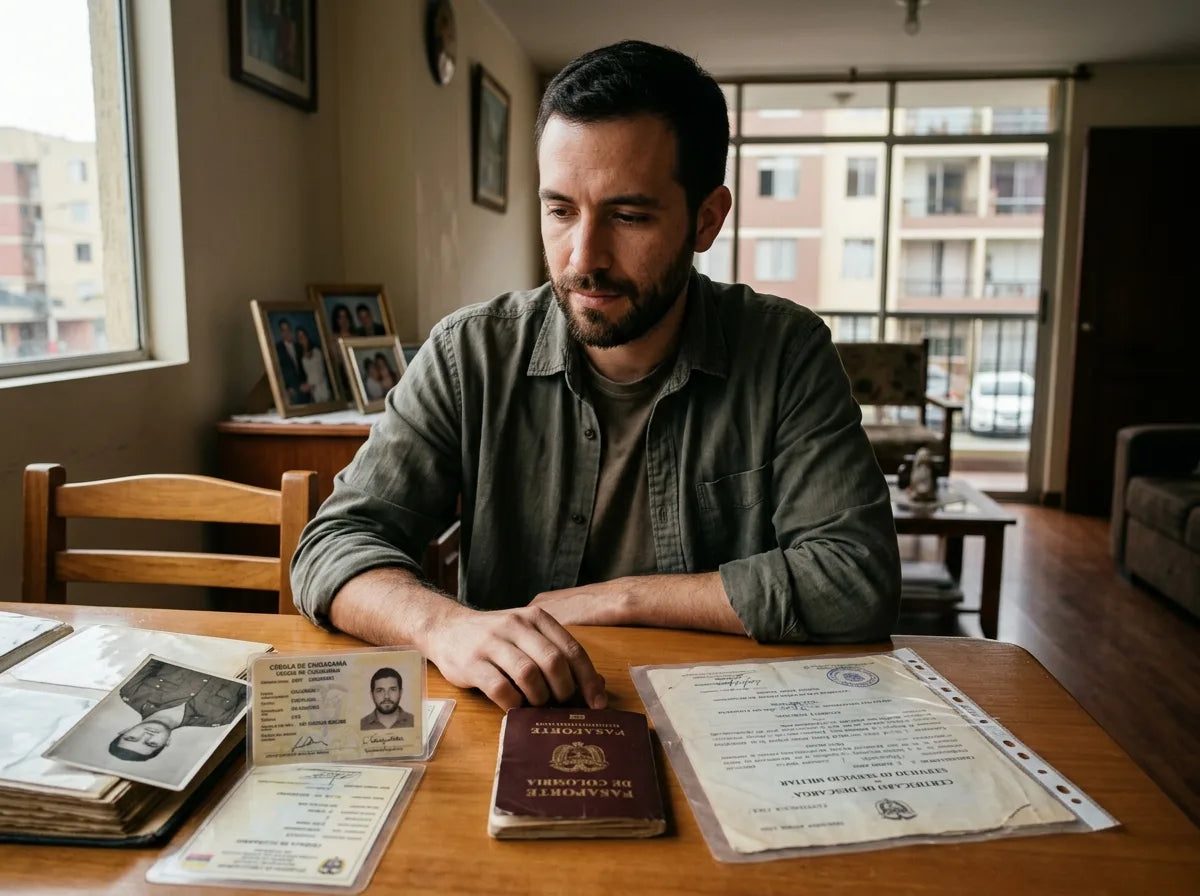
Understanding Carlos requires acknowledging the context of his origins. He comes from an unnamed South American country, and his early life was shaped by regional conflict. This background is referenced in the game’s supplementary materials and official lore documents, including the Resident Evil wiki’s detailed character profile on Carlos Oliveira.
His South American guerrilla background also explains his personality. Carlos has a casual, almost irreverent attitude that contrasts sharply with characters who come from formal military backgrounds. He jokes, he flirts, and he operates with a kind of personal freedom that soldiers bound by military hierarchy typically do not display. This is consistent with someone whose combat experience came from outside institutional structures.
How His Background Compares to Other RE Characters
| Character | Background | Military Status |
|---|---|---|
| Carlos Oliveira | South American guerrilla, U.B.C.S. | ❌ Not formally military |
| Jill Valentine | U.S. Army, Delta Force, S.T.A.R.S. | ✅ Formally military |
| Leon S. Kennedy | Police officer, later U.S. government agent | ⚠️ Law enforcement, not military |
| Chris Redfield | U.S. Air Force, S.T.A.R.S., B.S.A.A. | ✅ Formally military |
| Mikhail Victor | Russian military veteran, U.B.C.S. | ✅ Formerly military |
This comparison highlights how Carlos stands apart from characters like Chris Redfield or Jill Valentine, who have documented formal military careers. Carlos’s path was unconventional from the start, which makes him a more complex character in terms of background classification.
🔍 Paramilitary vs. Military: Why the Distinction Matters
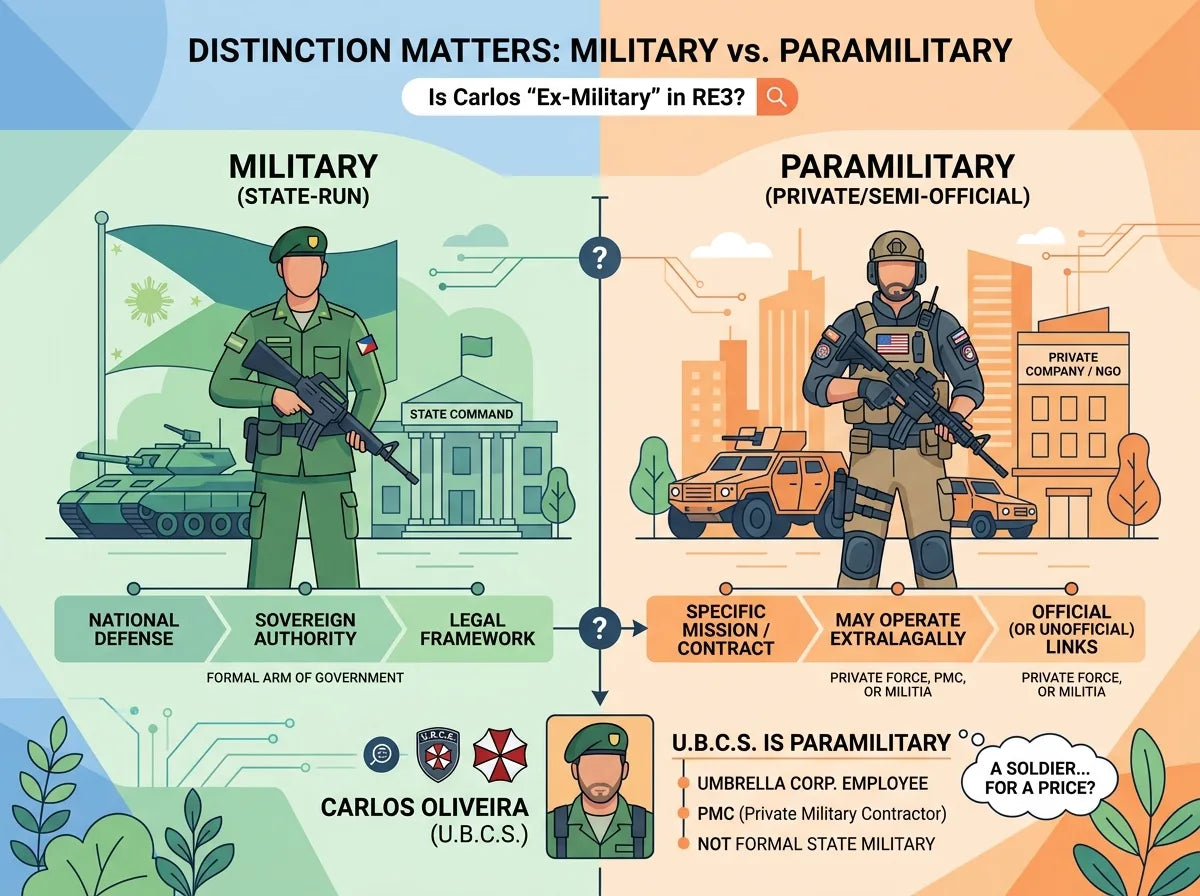
When players ask if Carlos is ex-military, they are often using the term loosely to mean “someone with serious combat training.” In that broad sense, yes, Carlos qualifies. But in the technical sense, he is a paramilitary operative with a guerrilla warfare background, not a veteran of any national armed forces.
This distinction matters in real-world terms too. If you think about what separates a military veteran from a paramilitary fighter, it comes down to institutional affiliation, legal status, and the nature of the training received. Understanding how military identification and service records work in real life helps clarify just how different Carlos’s background is from a standard military career. For anyone curious about formal military documentation and service verification, learning how to get a military ID offers useful context about what official military service actually looks like on paper.
Carlos would not have a military ID. He would have no formal service record with any government. His combat credentials exist in experience alone, not in institutional documentation.
What Makes U.B.C.S. Different from a Military Unit
The U.B.C.S. operated under corporate command, not government authority. Its members were not subject to military law, did not serve a nation, and were often sent on missions that were designed to fail. Umbrella used the U.B.C.S. as a cover operation, sending personnel into outbreak zones to observe B.O.W. performance rather than to genuinely rescue survivors.
Carlos was largely unaware of this when he joined. He believed he was part of a legitimate rescue and containment organization. This adds a layer of tragedy to his character. He brought real skills to an organization that treated its members as expendable assets.
💡 What Carlos’s Background Tells Us About His Character
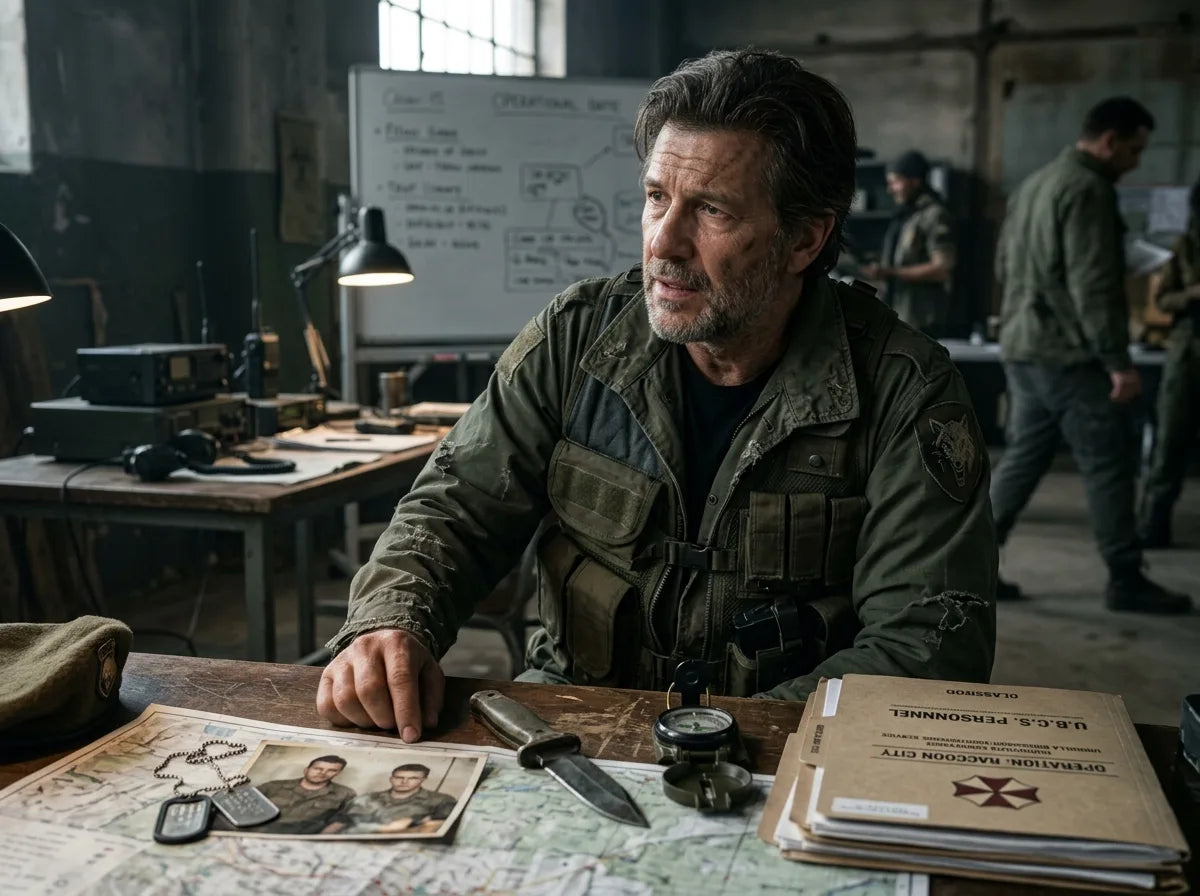
Carlos Oliveira is compelling precisely because his background is not clean or conventional. He is not a decorated soldier with a service record. He is someone who survived conflict in difficult circumstances, found a way forward through paramilitary work, and ended up in the middle of one of gaming’s most catastrophic events.
His combat effectiveness comes from lived experience rather than institutional training. That makes him relatable in a way that formally trained characters sometimes are not. He figured things out under real pressure, not in a controlled training environment.
The term “G.I.” is often used casually to describe soldiers or military types, and Carlos gets lumped into that category by players who see his gear and assume formal service. But understanding what G.I. means in the military makes it clear why that label does not technically apply to Carlos. He was never a government-issued soldier. He was something more independent and, in many ways, more complicated.
His arc in RE3 is ultimately about a person with a rough background choosing to do the right thing when it matters most. That choice, made without institutional obligation, says more about his character than any military rank ever could.
✅ Final Verdict on Carlos’s Military Status
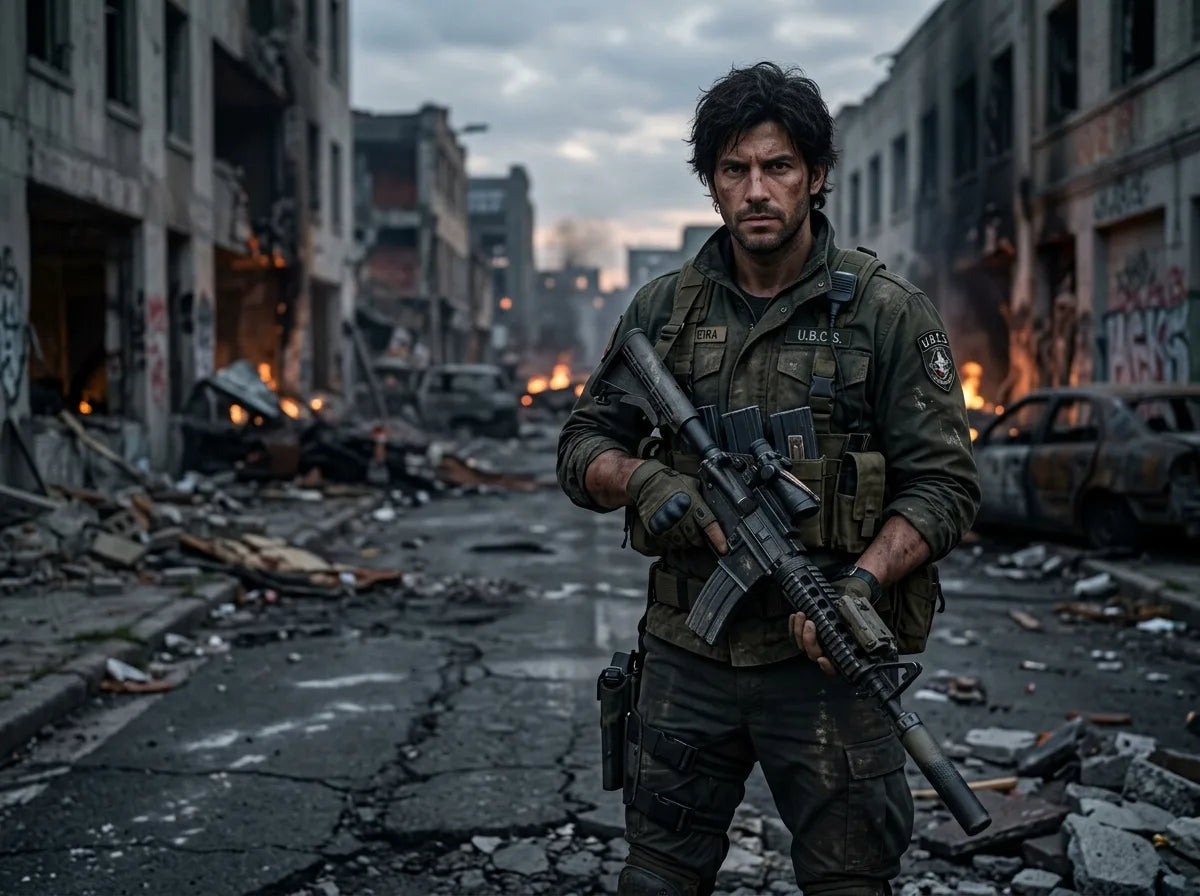
Carlos Oliveira is not ex-military in the traditional sense. He is a former South American guerrilla fighter who was recruited into the Umbrella Biohazard Countermeasure Service, a private paramilitary organization. His combat skills are real and extensive, but they come from guerrilla warfare and corporate paramilitary service rather than any national military branch. He has no formal military rank, no government service record, and no institutional military affiliation. He is a skilled, experienced fighter with an unconventional background that makes him one of the most interesting characters in the Resident Evil series.
Carlos Oliveira sits in a unique space between civilian and soldier. His guerrilla roots gave him skills that match or exceed many formally trained military characters in the Resident Evil universe, but his path was entirely outside official military structures. He is a paramilitary operative, a former guerrilla fighter, and ultimately a survivor who chose to be something more than what his circumstances demanded. That complexity is exactly what makes him worth remembering.