
What Does G.I. Mean in the Military
If you’ve watched war movies, read military history, or talked to veterans, you’ve probably heard the term “G.I.” thrown around. But what does it actually mean? The answer is more layered than most people expect, and it touches on American military culture, history, and identity in a surprisingly deep way.
🎖️ The Origin of “G.I.” – What the Letters Actually Stand For
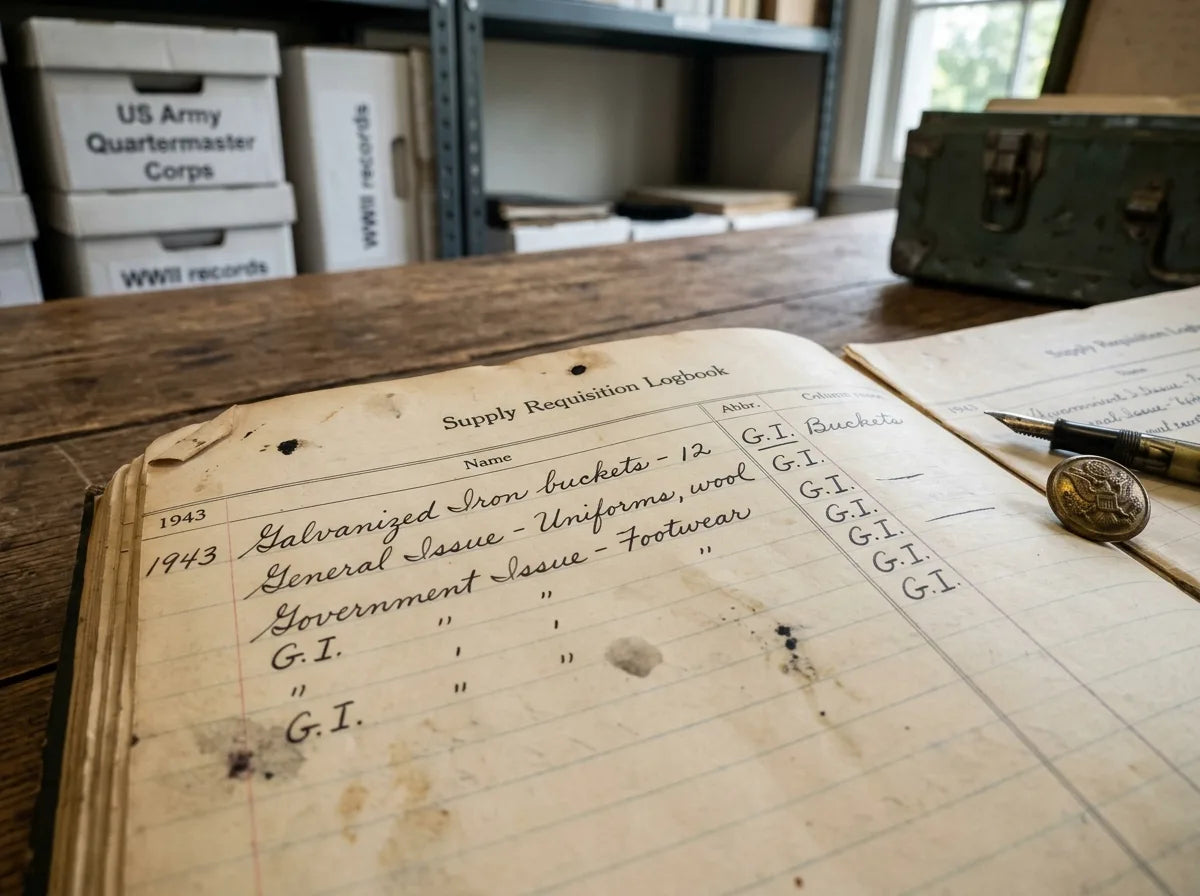
The most widely accepted meaning of G.I. in the military is “Government Issue” or “General Issue.” This refers to equipment, clothing, and supplies that were standardized and distributed by the U.S. government to soldiers. If something was G.I., it came from the military supply chain, not from a personal purchase.
The term started appearing in military paperwork and supply logs in the early 20th century. Soldiers used it to describe their gear, from boots and uniforms to mess kits and rifles. Over time, the abbreviation shifted from describing objects to describing the soldiers themselves.
There is also a lesser-known competing origin. Some historians point to “Galvanized Iron” as the original meaning, used on early military requisition forms for metal containers and equipment. This version predates the “Government Issue” interpretation and shows up in records from around World War I. Both explanations are historically documented, and the debate among military historians continues.
How “G.I.” Became a Word for Soldiers
The transition from describing gear to describing people happened organically during World War II. American soldiers began calling themselves G.I.s as a form of self-deprecating humor, essentially saying they were just another piece of government-issued equipment. The term carried a sense of solidarity and shared identity.
By the mid-1940s, “G.I.” was everywhere. Newspapers used it. Hollywood used it. The U.S. government used it in official communications. It became a cultural shorthand for the American enlisted soldier, especially the ordinary infantryman or grunt serving overseas.
🪖 G.I. in Context: How the Term Was Used
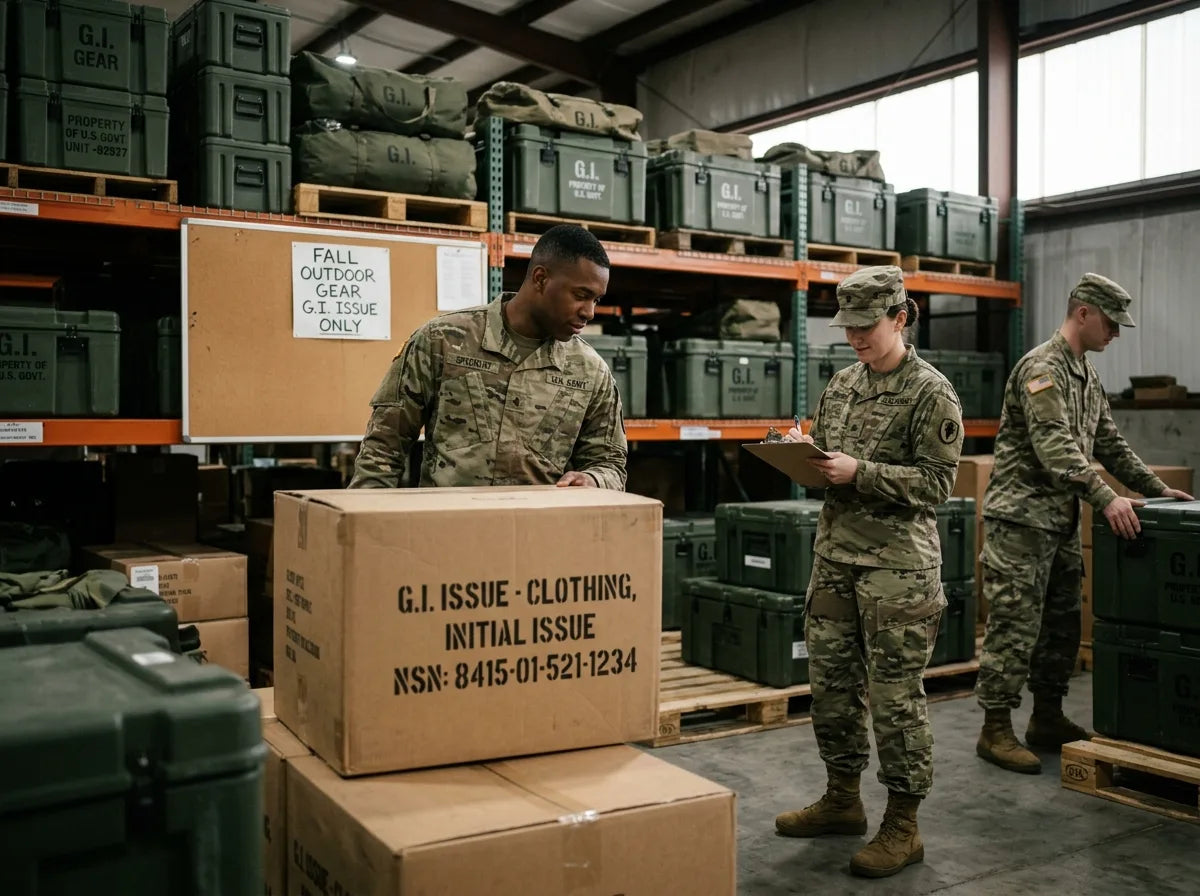
Understanding what G.I. means requires looking at how it was actually applied in different situations. The term was flexible, and its meaning shifted depending on context.
- G.I. gear – Any equipment issued by the military, including uniforms, helmets, weapons, and field supplies
- G.I. Joe – A nickname for the average American soldier, later popularized as a toy and cartoon franchise
- G.I. Bill – The Servicemen’s Readjustment Act of 1944, which provided veterans with education, housing, and employment benefits
- G.I. party – Military slang for a deep-cleaning session of barracks or equipment, often done before inspections
- G.I. can – A standard-issue metal trash can used throughout military bases
- G.I. tract – In a medical context, this refers to the gastrointestinal tract, a completely separate use of the same abbreviation
The phrase “G.I. party” is a good example of military irony. There was nothing festive about scrubbing floors at 0300 hours. Soldiers used the term sarcastically, which is consistent with the broader military tradition of dark humor and understatement.
📜 The G.I. Bill: One of the Most Important Uses of the Term

When most Americans outside the military hear “G.I.,” they often think of the G.I. Bill. Officially called the Servicemen’s Readjustment Act, this landmark legislation was signed into law after World War II and transformed American society. It provided returning veterans with access to low-cost mortgages, college tuition assistance, unemployment insurance, and job training.
The G.I. Bill is widely credited with building the American middle class as we know it. Millions of veterans used it to attend college, buy homes in the suburbs, and start businesses. The program has been updated and renewed multiple times, and versions of it still exist today under the Post-9/11 G.I. Bill, which provides substantial education benefits to eligible veterans.
This is worth noting because it shows how deeply the term “G.I.” is embedded in American civic life, not just military culture. It represents a contract between the government and the people who serve.
G.I. Joe and Pop Culture
The cultural impact of the G.I. label extended far beyond the military itself. G.I. Joe debuted as a Hasbro action figure in 1964, marketed as “America’s movable fighting man.” It was one of the first action figures ever produced and became a defining toy of American childhood for decades.
The cartoon series, comic books, and film franchise that followed kept the term alive for generations who had no direct connection to military service. Today, many people associate “G.I. Joe” more with the fictional special forces team than with the original World War II slang. If you’re curious about how military themes show up in pop culture, it’s worth exploring whether Carlos is ex-military in RE3, which digs into how video games use military backstory to build character credibility.
🌍 G.I. Across Different Military Branches
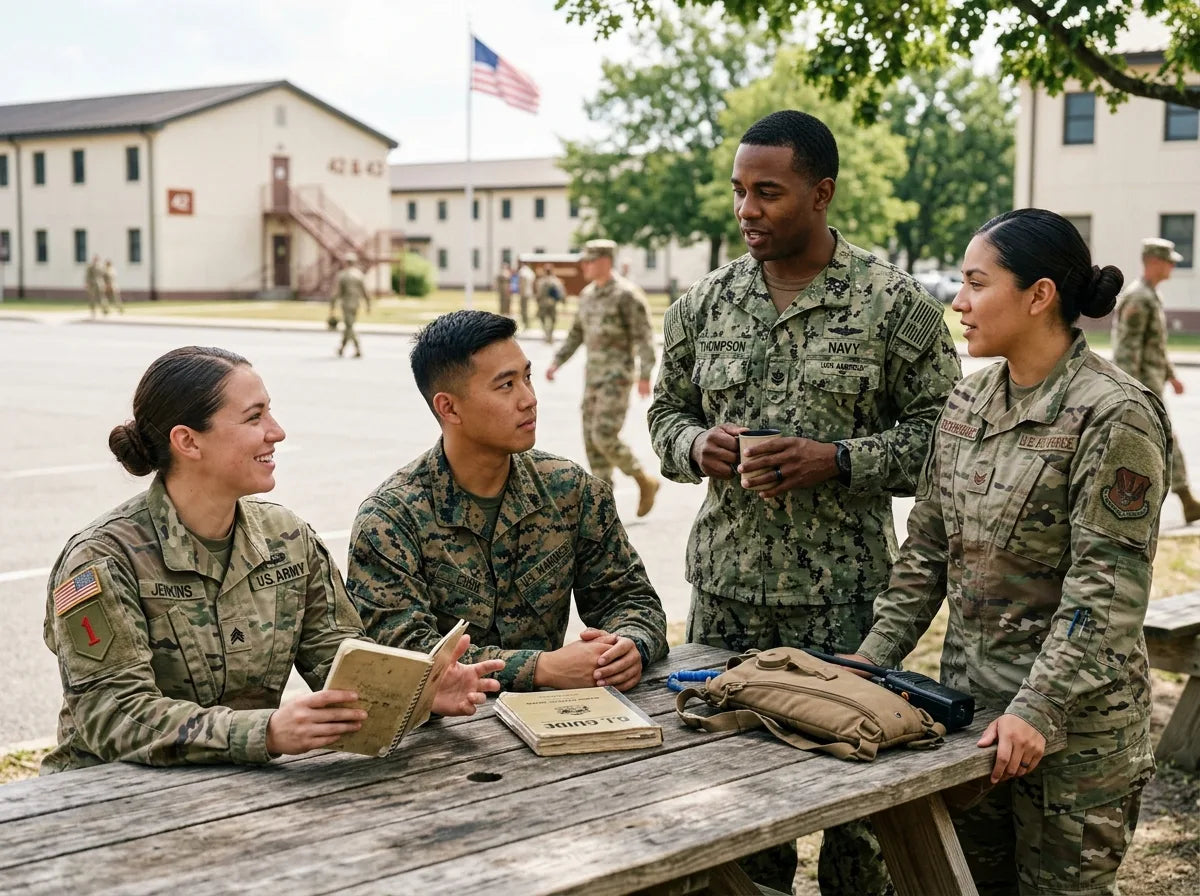
While “G.I.” is most strongly associated with the U.S. Army, the term has been used loosely across all branches of the American military. That said, different branches have their own preferred slang and identity terms.
| Branch | Common Slang for Enlisted Personnel | Use of “G.I.” |
|---|---|---|
| Army | G.I., Soldier, Grunt | ✅ Very common |
| Marines | Marine, Jarhead, Leatherneck | ⚠️ Rare, sometimes used |
| Navy | Sailor, Swabbie, Squid | ❌ Rarely used |
| Air Force | Airman, Zoomie | ❌ Rarely used |
| Coast Guard | Coastie | ❌ Not typically used |
Marines in particular tend to resist being called G.I.s. Marine Corps identity is strongly distinct, and many Marines consider the term specific to Army personnel. This kind of branch pride and inter-service rivalry is a consistent feature of military culture across all eras.
⚠️ Common Misconceptions About the Term G.I.
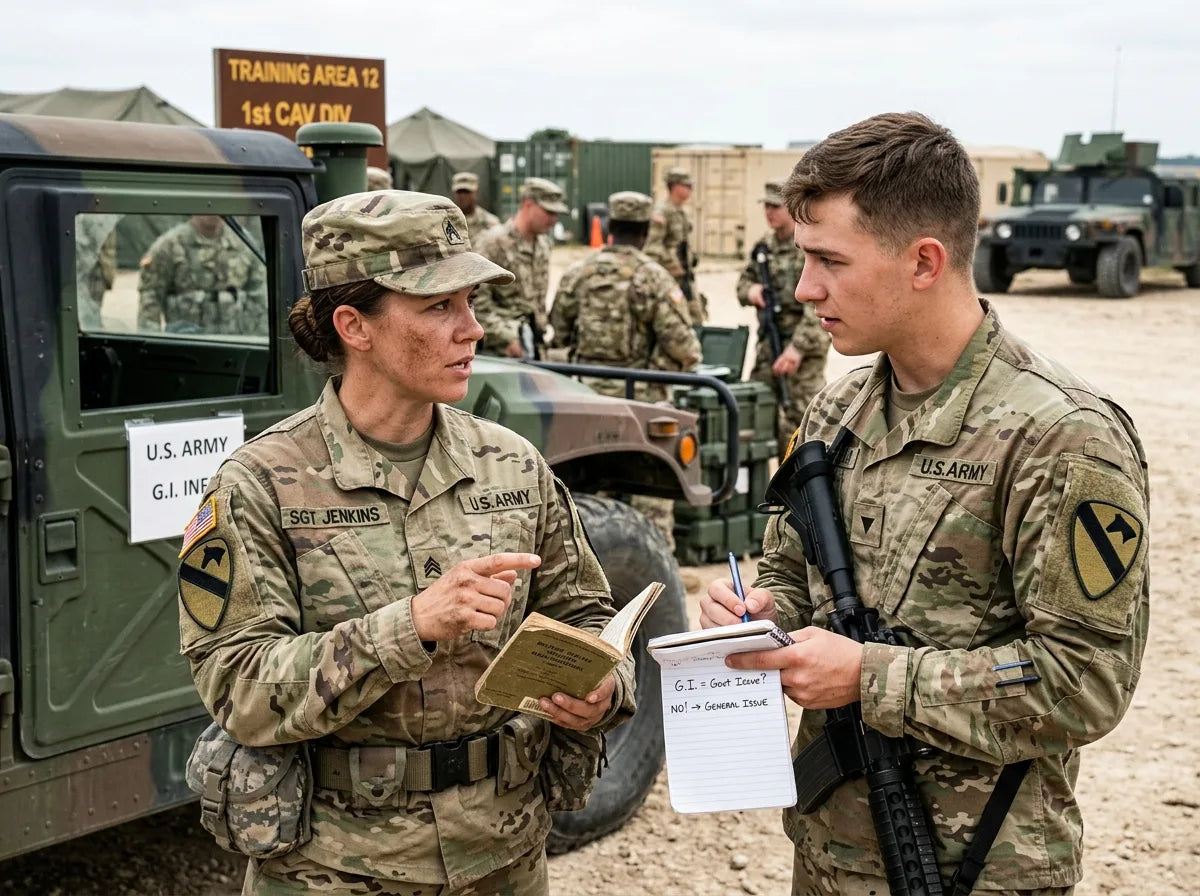
Several myths and misunderstandings surround the phrase. Let’s address the most common ones directly.
Misconception 1: G.I. Only Means “Soldier”
While “G.I.” is often used as a synonym for soldier, its original meaning was about standardized government-issued equipment, not personnel. The shift to describing people came later. Using it to mean “soldier” is accurate in modern casual use, but historically it’s a secondary meaning.
Misconception 2: G.I. Is an Official Military Designation
G.I. is not an official rank, title, or designation in the U.S. military. You won’t find it on a dog tag or in a military personnel file. It’s informal slang that became culturally embedded. The military has its own formal rank structure, from Private to General, and “G.I.” fits none of those categories officially.
Misconception 3: The Term Is Outdated
Some people assume “G.I.” is a relic of World War II that nobody uses anymore. In reality, the term remains in active use, particularly in the context of the G.I. Bill, G.I. Joe, and general cultural references to military service. Veterans and civilians alike still use it regularly, though it’s less common in active-duty military conversations than it once was.
💪 The Legacy of the G.I. in American Military Identity
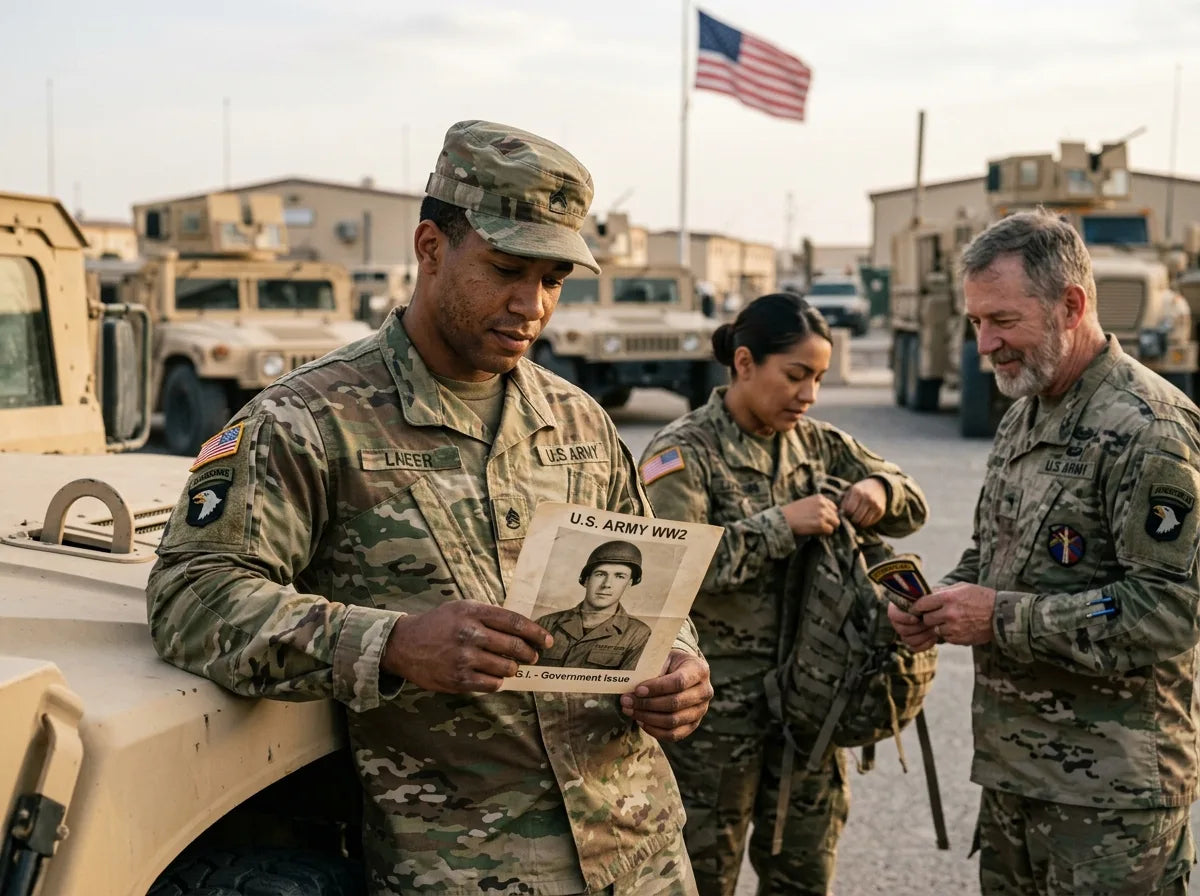
The term “G.I.” carries a weight that goes beyond its literal definition. It represents a specific American approach to military service, one built on the idea of the citizen-soldier. Unlike professional warrior cultures that emphasize elite status, the G.I. identity was rooted in ordinary people doing extraordinary things out of duty rather than career ambition.
This is why the term resonated so strongly during World War II. Millions of Americans who had been farmers, factory workers, teachers, and students were suddenly soldiers. They weren’t career military men. They were G.I.s, government-issued, standardized, replaceable in the eyes of bureaucracy but irreplaceable to their families and communities.
That tension between institutional anonymity and individual sacrifice is part of what gives the term its emotional power. Memorials, films, and literature about World War II veterans frequently invoke the G.I. label precisely because it captures that duality.
Physical training and discipline were also central to G.I. life. Soldiers were expected to maintain peak physical condition, and exercises like the military press were standard parts of strength and conditioning programs designed to build functional upper body strength for combat readiness.
G.I. in Modern Military Discourse
Today, the term shows up most frequently in veteran advocacy discussions, particularly around G.I. Bill benefits and education access. Organizations that support veterans often use the language of G.I. rights and G.I. benefits as a way of connecting current service members to a longer tradition of military service and government obligation.
In pop culture, G.I. remains a recognizable shorthand. It signals American military identity in a way that’s instantly understood across generations, even by people with no personal military connection.
📝 Conclusion
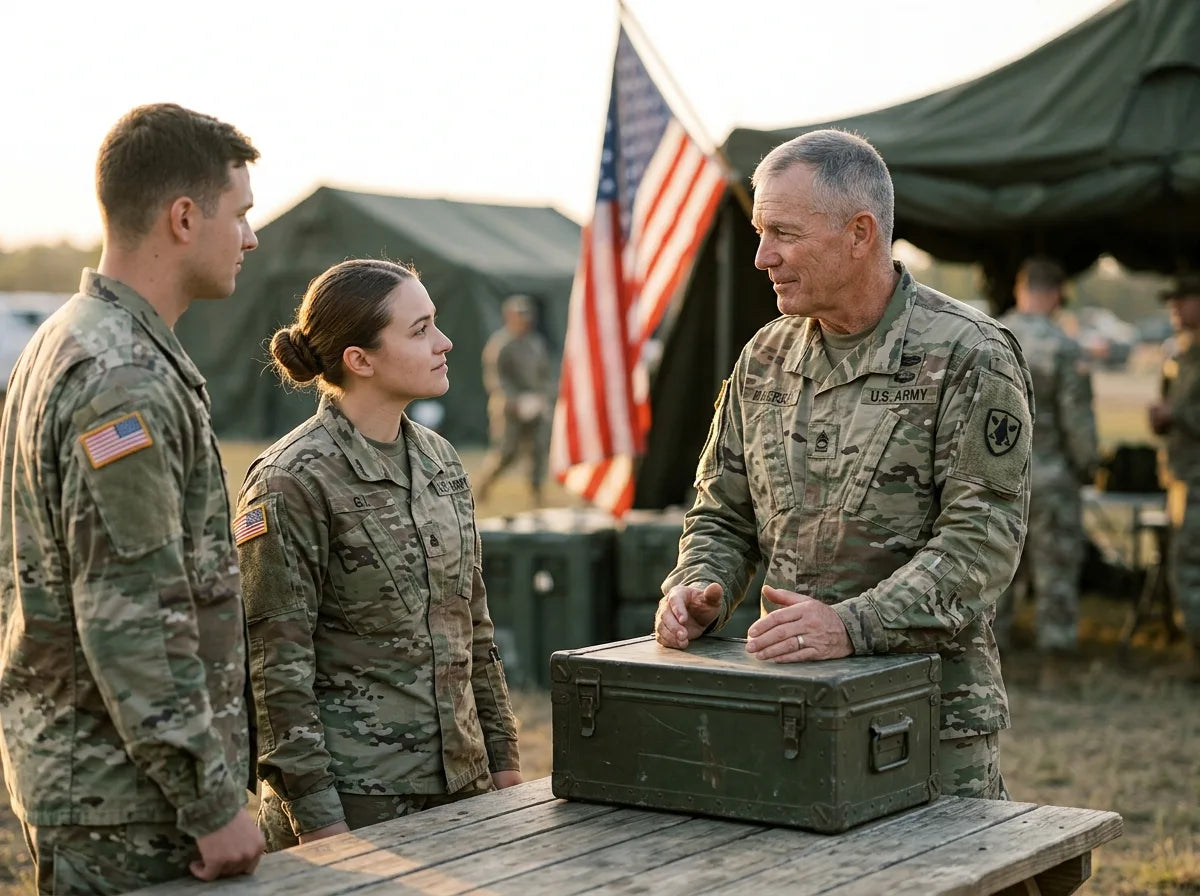
G.I. started as a supply chain abbreviation for “Government Issue” and grew into one of the most recognized symbols of American military identity. From World War II slang to the G.I. Bill to G.I. Joe, the term has shaped culture, policy, and how Americans think about military service. Whether you’re researching military history, studying veteran benefits, or just curious about language, understanding what G.I. means gives you real insight into how the U.S. military sees itself, and how the country sees the people who serve in it.