
Which Presidents Served in the Military
From the Revolutionary War to the Cold War, military service shaped many of the men who reached the presidency. Understanding which presidents served in the military reveals how battlefield experience influenced leadership, policy, and national identity. Here is a clear, fact-based breakdown of every commander-in-chief with military credentials.
🎖️ The Full List: Presidents Who Served in the Military
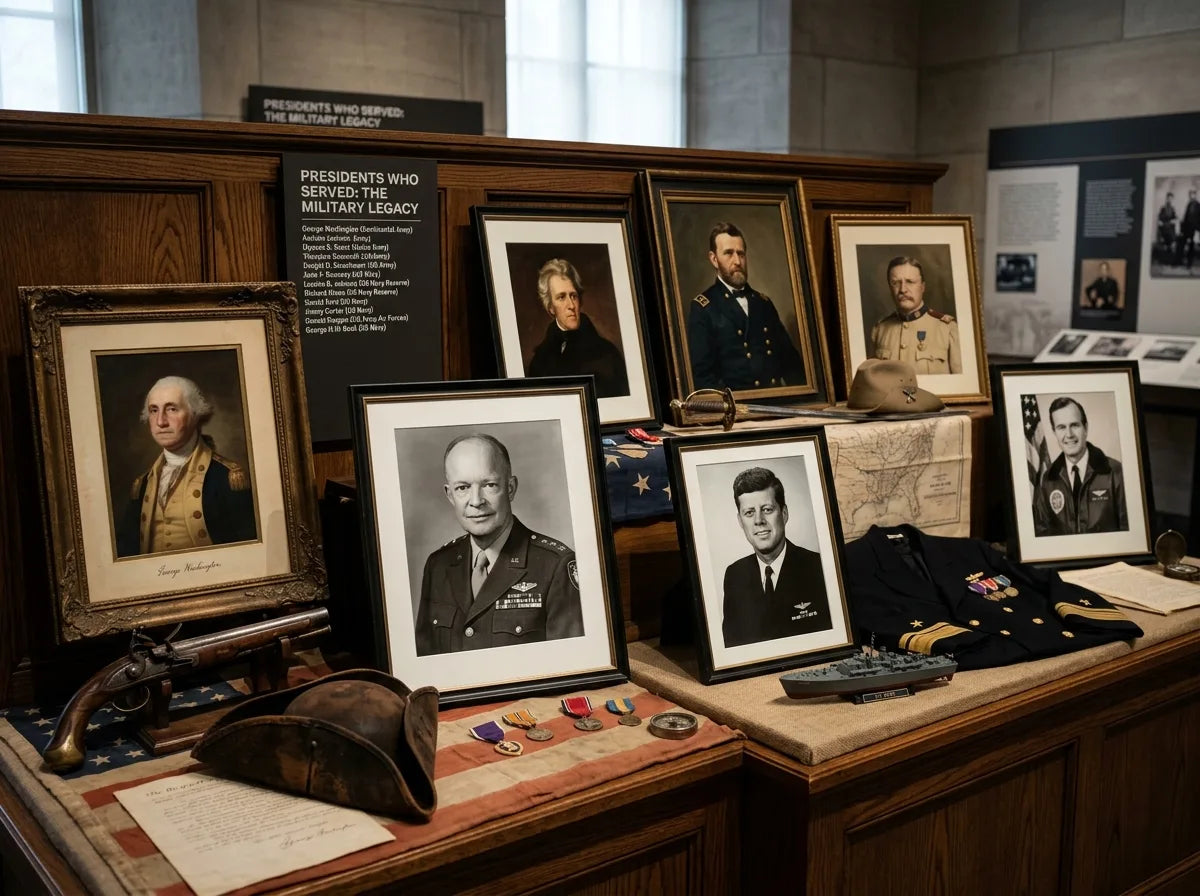
Of the 46 individuals who have held the office of U.S. president, over 30 served in some branch of the military. The depth of that service varies enormously, from brief militia stints to decorated combat careers spanning multiple wars. Military service was once considered nearly essential for presidential credibility.
That expectation faded significantly in the latter half of the 20th century. Still, the tradition runs deep, and many historians argue that wartime experience gave certain presidents a unique perspective on the cost of conflict and the weight of sending troops into battle.
⚔️ Presidents Who Were War Heroes and Senior Commanders
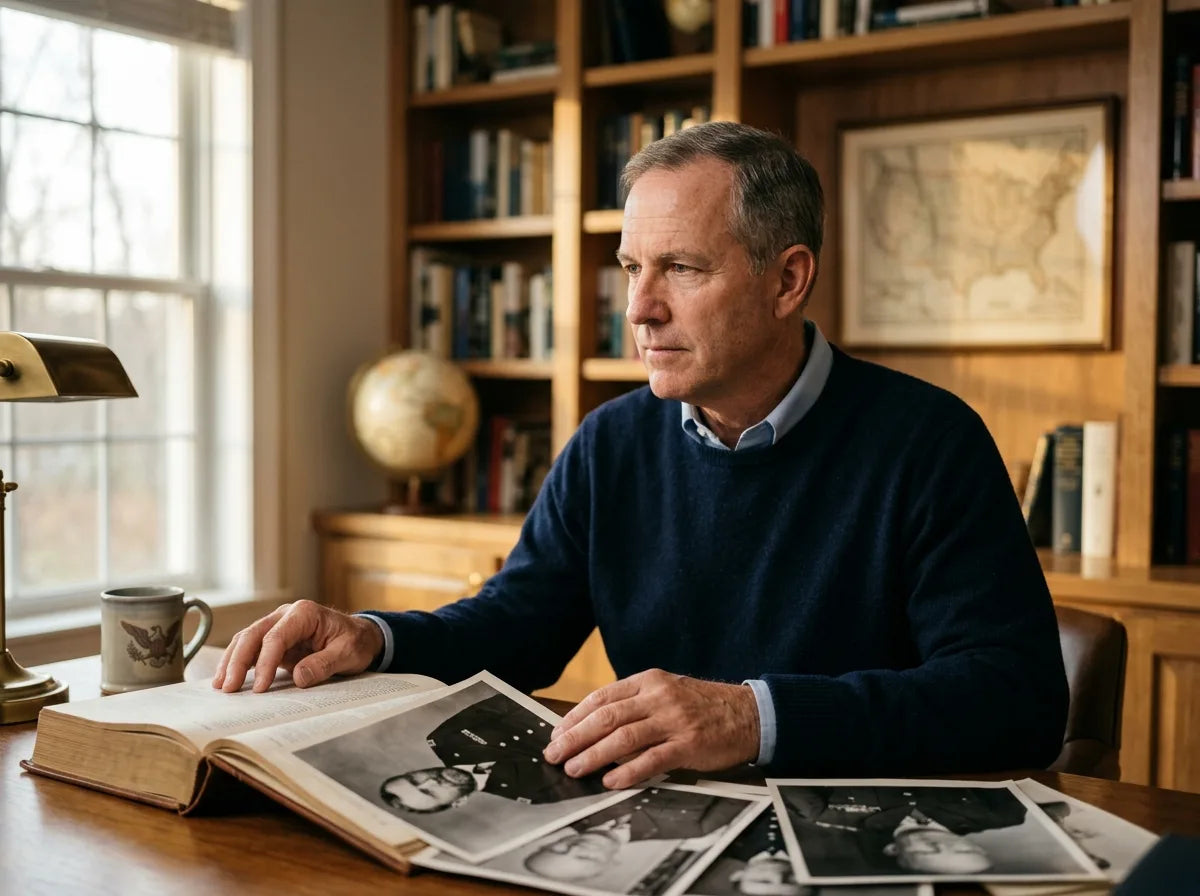
Several presidents did not just serve, they led armies and became national symbols of military excellence long before entering politics.
George Washington – Continental Army General
George Washington is the defining example. He commanded the Continental Army throughout the Revolutionary War, endured the brutal winter at Valley Forge, and secured American independence. His military reputation was so towering that the presidency was essentially created with him in mind. He remains the only president to have held the rank of General of the Armies posthumously.
Andrew Jackson – Hero of New Orleans
Andrew Jackson earned his fame at the Battle of New Orleans in 1815, defeating a larger British force with minimal losses. He had also fought in the Revolutionary War as a teenager and later commanded forces in conflicts against Native American nations. His military persona, rough, aggressive, and decisive, defined his entire political brand.
Ulysses S. Grant – Civil War Commanding General
Ulysses S. Grant rose from a struggling civilian life to become the general who accepted Robert E. Lee’s surrender at Appomattox. He held the rank of General of the Army and is widely credited with ending the Civil War through relentless pressure on Confederate forces. His military record propelled him directly into the White House in 1868.
Dwight D. Eisenhower – Supreme Allied Commander
Eisenhower commanded the Allied forces during the D-Day invasion of Normandy and oversaw the liberation of Western Europe. He held the five-star rank of General of the Army, one of only a handful of Americans ever to reach that level. His presidency was deeply shaped by his military mindset, including his famous warning about the “military-industrial complex.”
🪖 Presidents Who Served in Combat Roles
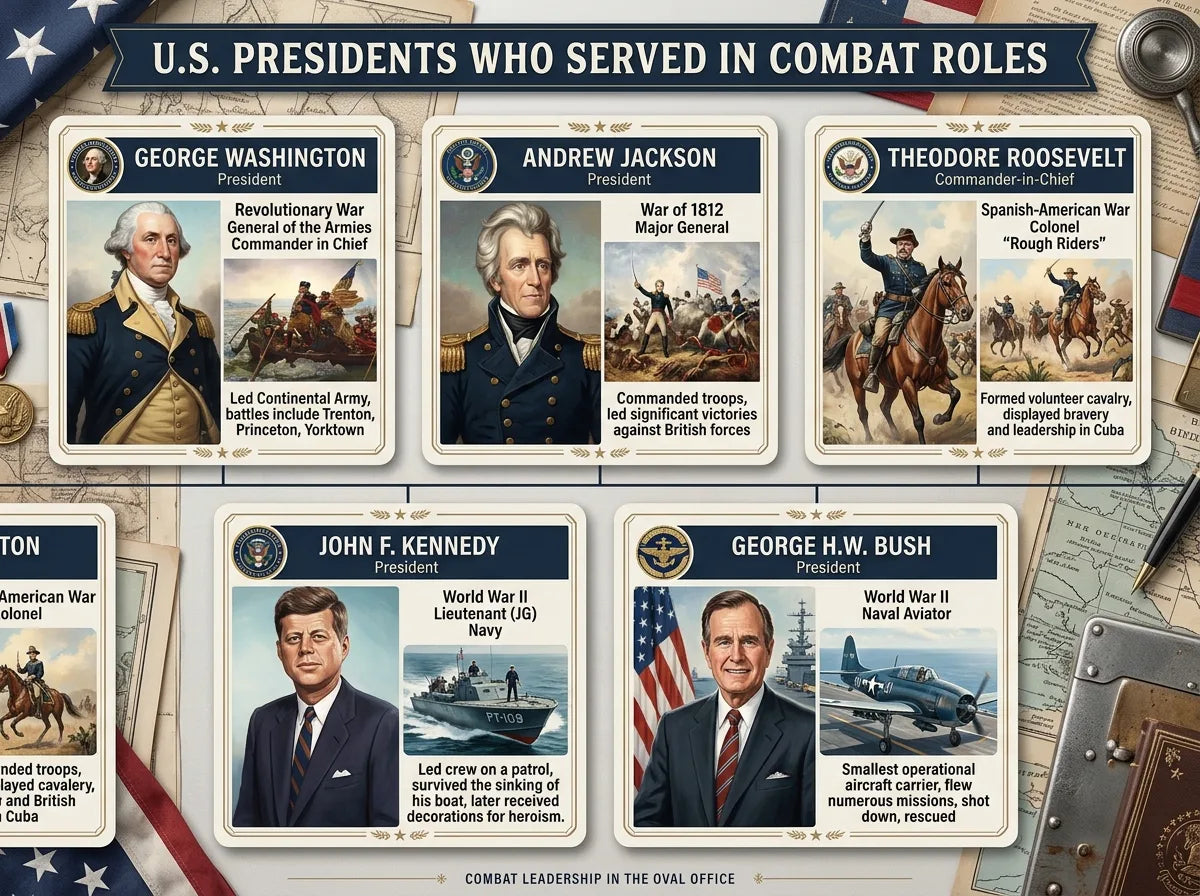
Beyond the famous generals, many presidents saw direct combat and carried that experience into office.
- Theodore Roosevelt – Led the Rough Riders cavalry charge at the Battle of San Juan Hill during the Spanish-American War
- John F. Kennedy – Commanded PT-109 in the Pacific during World War II, surviving a Japanese destroyer attack
- George H.W. Bush – Youngest naval aviator in the U.S. Navy during WWII, flew 58 combat missions and was shot down over the Pacific
- James K. Polk – Served in the Tennessee militia, though without significant combat exposure
- Rutherford B. Hayes – Wounded four times during the Civil War, rose to brevet major general
- Ronald Reagan – Served in the U.S. Army Air Forces during WWII, though a vision problem kept him stateside in a film unit
Kennedy’s story is particularly striking. When his patrol torpedo boat was rammed and sunk, he swam for hours while towing an injured crewman, showing the kind of physical courage that defined his public image for decades.
🗓️ Presidents by Military Branch – A Quick Reference
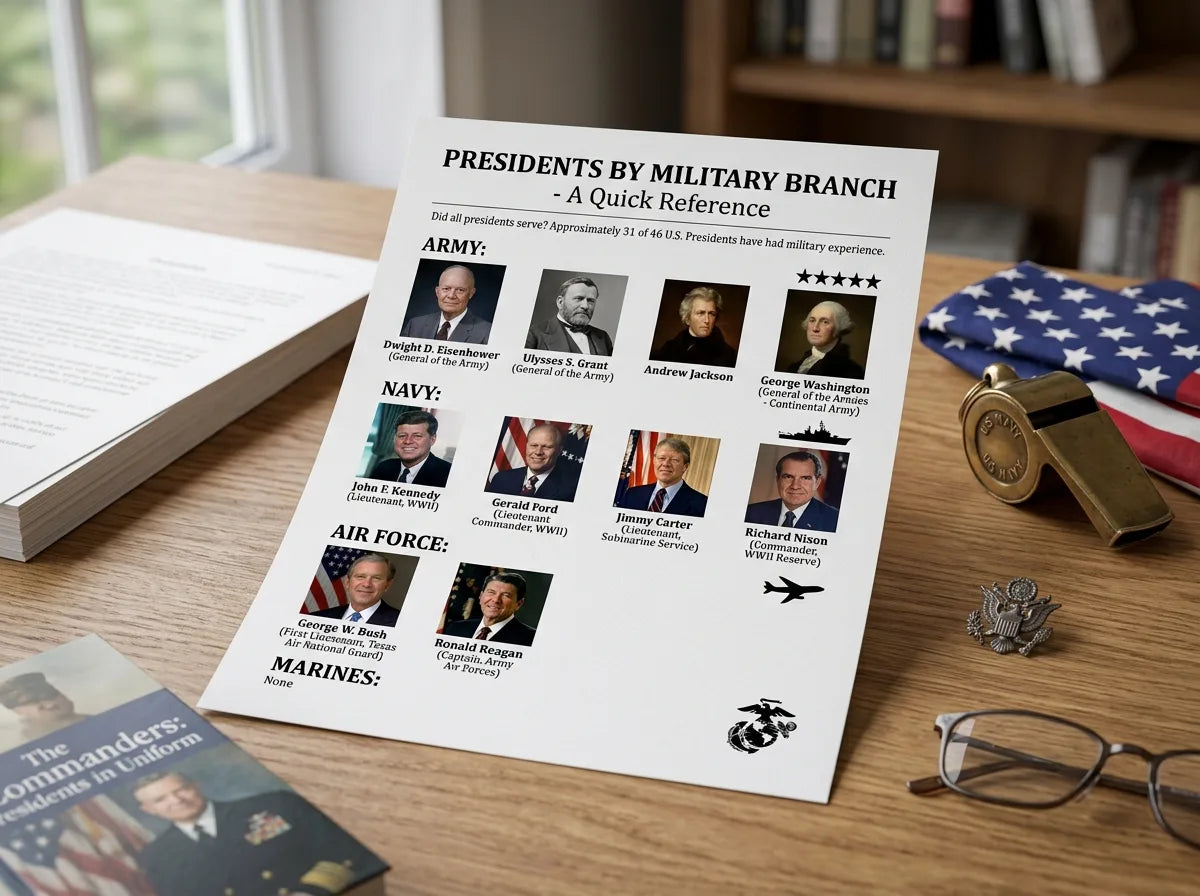
Military service among presidents spans every major branch. Here is a structured look at who served where:
| President | Branch | Conflict / Era | Highest Rank |
|---|---|---|---|
| George Washington | Continental Army | Revolutionary War | ⭐⭐⭐⭐⭐ General |
| Andrew Jackson | Army | War of 1812 | Major General |
| William Henry Harrison | Army | Northwest Indian War | Major General |
| Ulysses S. Grant | Army | Civil War | ⭐⭐⭐⭐ General of the Army |
| Theodore Roosevelt | Army (Cavalry) | Spanish-American War | Colonel |
| Dwight D. Eisenhower | Army | World War II | ⭐⭐⭐⭐⭐ General of the Army |
| John F. Kennedy | Navy | World War II | Lieutenant |
| Jimmy Carter | Navy | Post-WWII / Korea Era | Lieutenant |
| George H.W. Bush | Navy | World War II | Lieutenant (j.g.) |
| George W. Bush | Air National Guard | Vietnam Era | First Lieutenant |
If you are exploring military service paths yourself, understanding what military branch you should join is an important first step, since each branch offers a distinct career path, culture, and set of opportunities.
🏛️ Presidents With Limited or Non-Combat Military Service
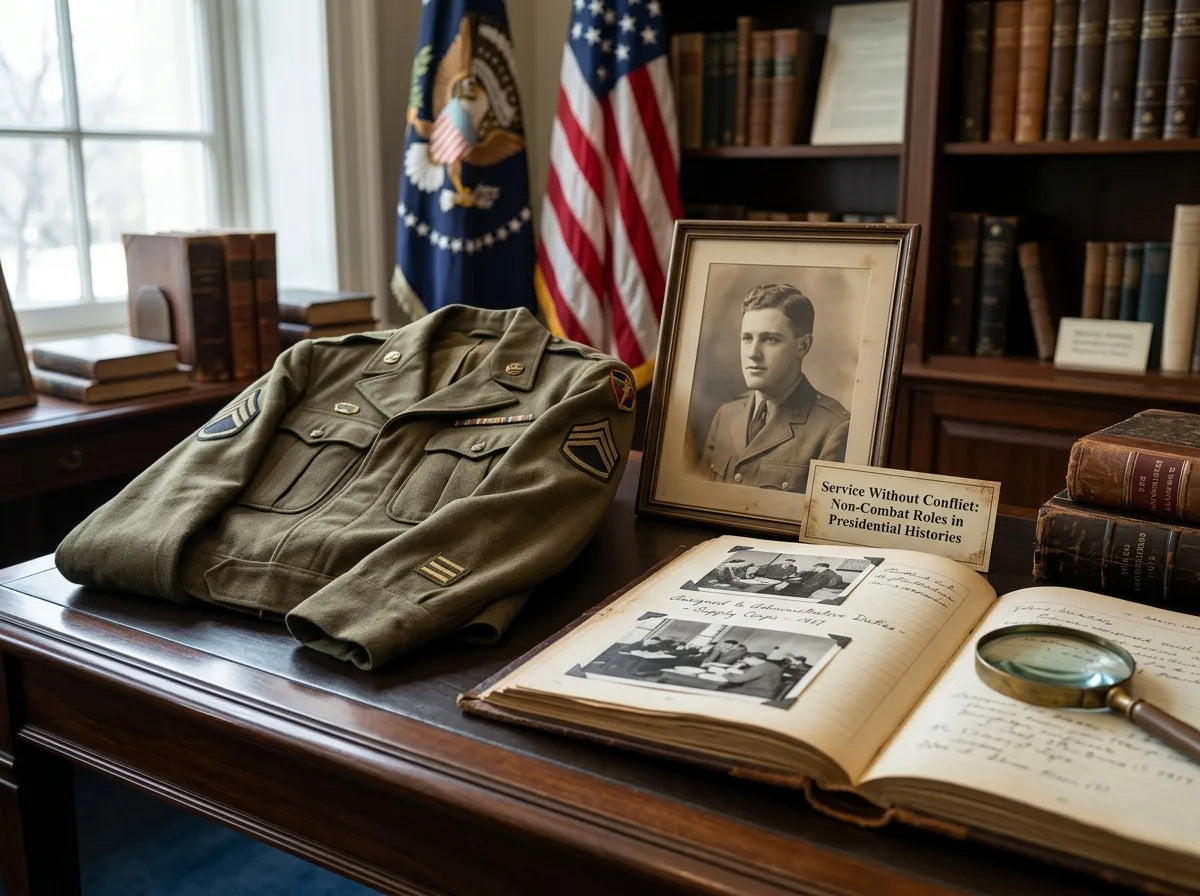
Not every president who served saw direct combat. Several held administrative, training, or reserve roles that still count as military service but differed significantly from frontline experience.
Richard Nixon – Navy Supply Officer
Richard Nixon served in the Navy during World War II as a supply officer in the Pacific. He was never in direct combat but rose to the rank of lieutenant commander. His service was largely logistical, a sharp contrast to peers like Kennedy who saw action in the same theater.
Ronald Reagan – Army Air Forces Film Unit
Reagan’s poor eyesight disqualified him from overseas deployment. He spent his service producing training films and documentaries in Culver City, California. While his contribution was real, critics noted the difference between his wartime role and those of combat veterans. He still reached the rank of captain.
Gerald Ford – Navy Lieutenant Commander
Gerald Ford served aboard the aircraft carrier USS Monterey in the Pacific and saw action in several major operations, including the Battle of the Philippine Sea. He rose to the rank of lieutenant commander and was considered a genuinely active naval officer, not a desk-bound one.
❌ Presidents Who Did Not Serve in the Military
A significant number of presidents had no military service at all. This became more common from the late 20th century onward, as the draft ended and the all-volunteer military became the norm.
- John Adams – No military service, though he served as a diplomat during the Revolutionary War
- Woodrow Wilson – Led the nation through World War I without any personal military background
- Franklin D. Roosevelt – Served as Assistant Secretary of the Navy but held no military commission
- Bill Clinton – Did not serve; received a draft deferment during the Vietnam War
- Barack Obama – No military service; became commander-in-chief with a background in law and community organizing
- Donald Trump – Received student and medical deferments during the Vietnam era
FDR is an interesting case. He had deep institutional knowledge of the military from his time managing Navy logistics in World War I, which arguably prepared him to direct Allied strategy in World War II more effectively than many combat veterans might have.
When evaluating whether military service translates to better presidential performance, it is worth considering the broader question of whether the military is worth it as a life path, since the benefits and trade-offs of service extend well beyond any single career outcome.
📊 How Military Service Shaped Presidential Decision-Making
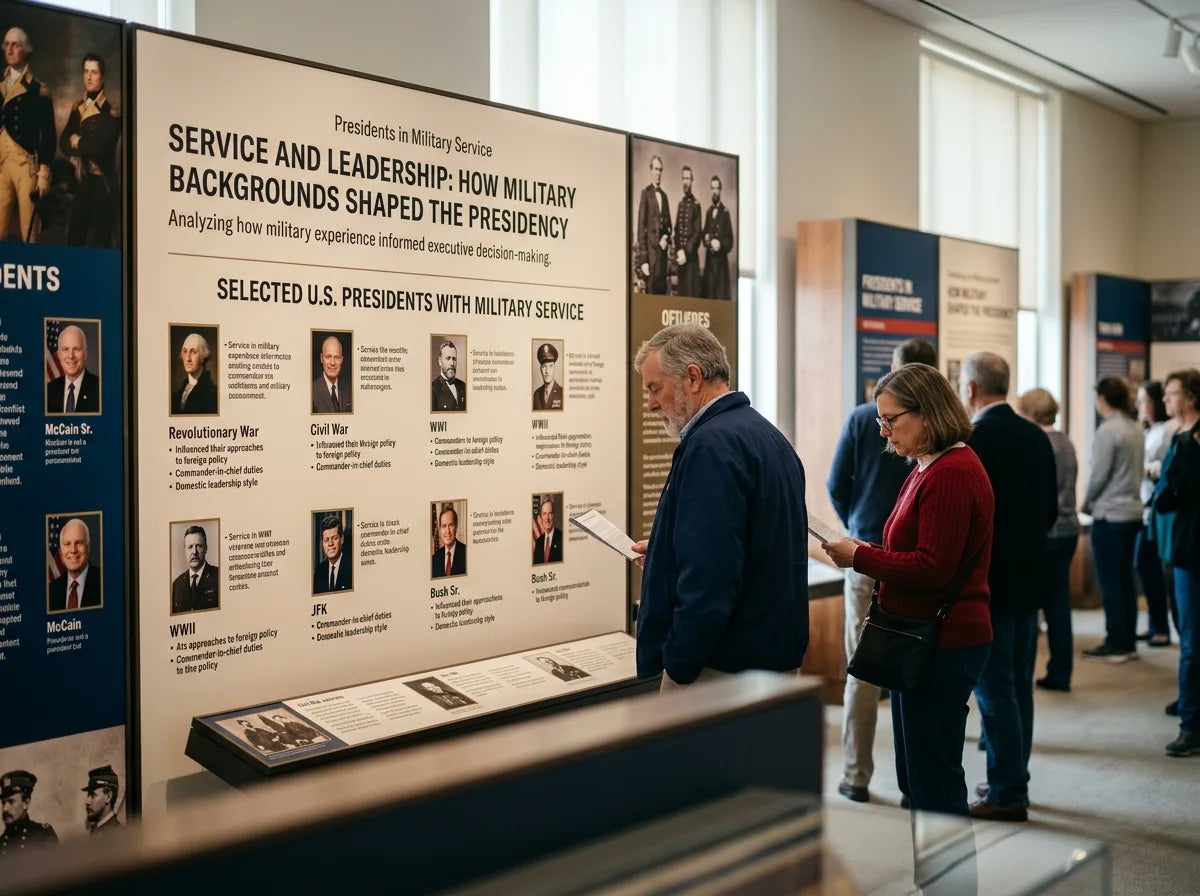
There is an ongoing debate among historians about whether combat veterans make better presidents. The evidence is mixed. Eisenhower, who knew war intimately, was notably cautious about military intervention and resisted pressure to escalate conflicts in Korea and Indochina. Grant, one of the greatest military minds in American history, presided over a presidency marked by political scandal.
Conversely, some presidents without military backgrounds, like FDR and Wilson, oversaw major wartime decisions effectively. The relationship between personal military experience and presidential performance is real but not straightforward.
What military service does seem to provide is a direct understanding of logistics, command structure, and the human cost of war. Presidents who served often describe a reluctance to commit troops that non-veterans sometimes lack, though this is not universal.
✅ Conclusion

More than 30 U.S. presidents served in the military, ranging from five-star generals like Washington and Eisenhower to naval officers like Kennedy and Ford. Military service was once a near-requirement for the presidency and remains a significant part of American political identity. While service does not guarantee effective leadership, it has clearly shaped how many commanders-in-chief approached the enormous responsibility of sending Americans into harm’s way. Understanding this history adds important context to both the presidency and the institution of military service itself.