What Is the Military District of Washington
The Military District of Washington is one of the most strategically important commands in the U.S. Army, yet most people know little about it. Responsible for defense, ceremonies, and crisis response in the nation’s capital, this command plays a critical role in both military operations and national security.
🎯 What Is the Military District of Washington?
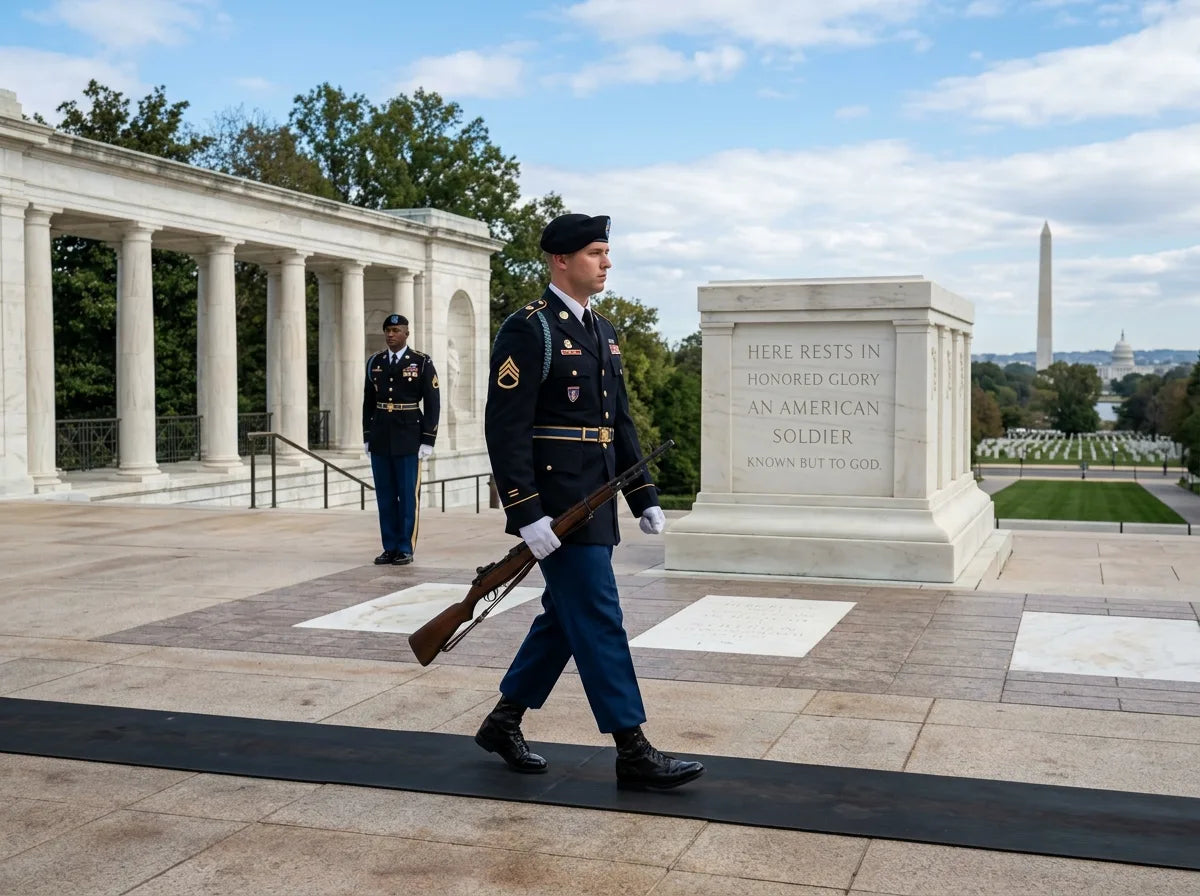
The Military District of Washington (MDW) is a major Army command headquartered at Fort Lesley J. McNair in Washington, D.C. It serves as the Army’s primary organization responsible for the defense, security, and ceremonial functions within the National Capital Region (NCR). The MDW operates under the authority of the Secretary of the Army and coordinates closely with federal agencies.
Unlike traditional combat commands, the MDW’s mission blends military readiness with protocol, public affairs, and emergency response. It supports the President, Congress, and senior government officials through a wide range of operations, from state funerals to contingency planning for domestic crises.
The command covers a geographic area that includes Washington, D.C., parts of Virginia, and parts of Maryland, making it a unique joint-service environment where Army, Navy, Air Force, and Marine Corps assets often operate side by side.
🏛️ History and Origins of the MDW
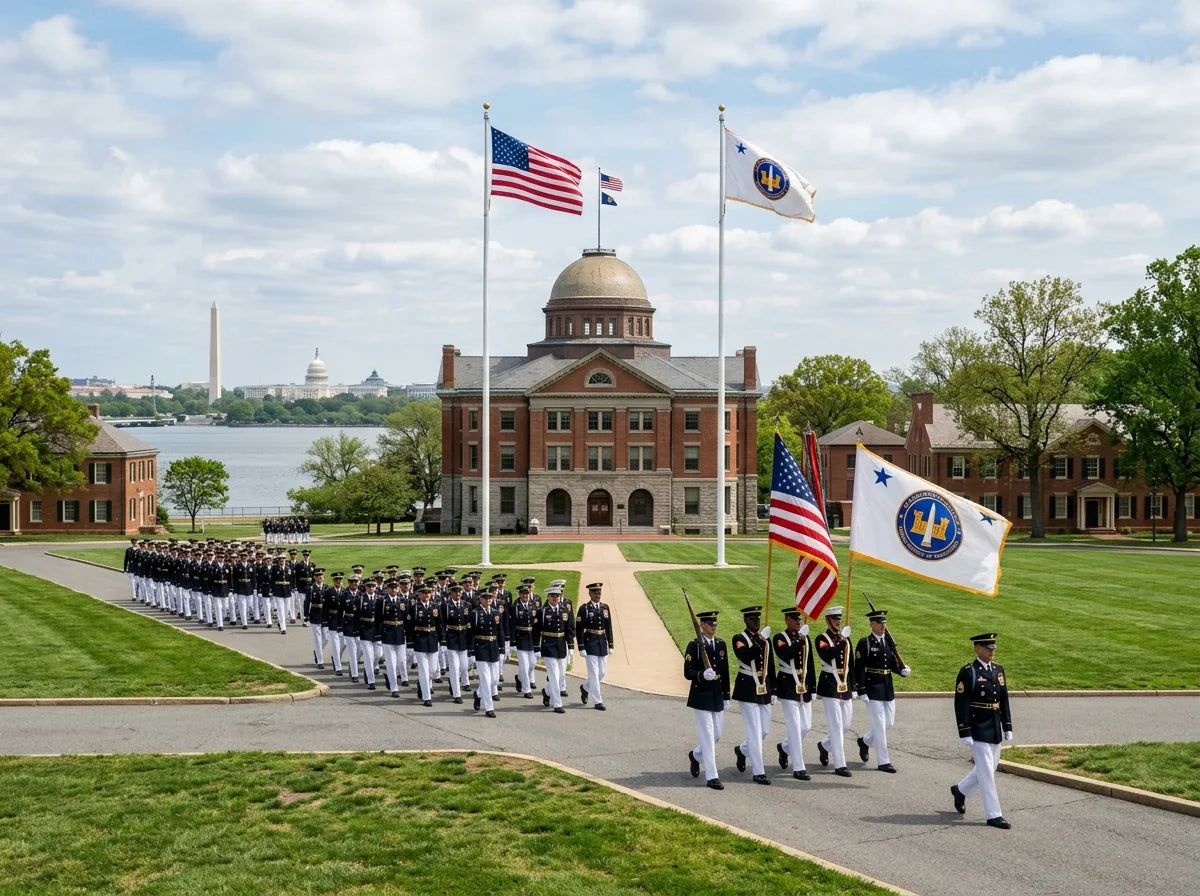
The Military District of Washington has deep roots in American military history. It was formally established in 1942 during World War II to consolidate military oversight of the capital region under a single unified command. Before that, various Army departments handled Washington’s military affairs in a fragmented way.
During the Civil War, the defense of Washington was a top priority for the Union Army, and large numbers of troops were stationed around the capital. While the MDW as a formal entity didn’t exist then, this period laid the groundwork for centralized military authority in the region.
Over the decades, the MDW evolved significantly. It played a critical role during major national events, including presidential inaugurations, the funerals of President John F. Kennedy and President Ronald Reagan, and post-September 11 security operations. Each of these moments shaped how the command structures its missions today.
Key Milestones in MDW History
- Formally established in 1942 to unify capital defense under one command
- Managed security during the Civil Rights era protests and the 1968 riots
- Coordinated military response after the September 11, 2001 attacks
- Supported National Guard mobilizations during periods of civil unrest
- Oversaw military honors for multiple state funerals at Arlington National Cemetery
- Played a key role in Operation Noble Eagle for domestic air defense
⚙️ Core Missions of the Military District of Washington
The MDW has a broad and layered mission set that goes well beyond what most people associate with a military command. Its responsibilities can be grouped into three main categories: defense and security, ceremonial duties, and support to civil authorities.
Defense and Security Operations
The MDW is responsible for military force protection and defense planning within the National Capital Region. This includes coordinating with federal law enforcement, the Department of Homeland Security, and other military branches to maintain a secure environment around government buildings and critical infrastructure.
In a crisis scenario, the MDW serves as the Army’s primary point of contact for military support to civil authorities (MSCA). This means if a natural disaster, terrorist attack, or large-scale emergency occurs in the D.C. area, the MDW is positioned to deploy Army assets rapidly in support of civilian responders.
Ceremonial Duties and Military Honors
One of the most visible roles of the MDW is managing military ceremonies and honors. This includes oversight of the Old Guard (3rd U.S. Infantry Regiment), which is the oldest active-duty infantry unit in the Army and serves as the Army’s official ceremonial unit.
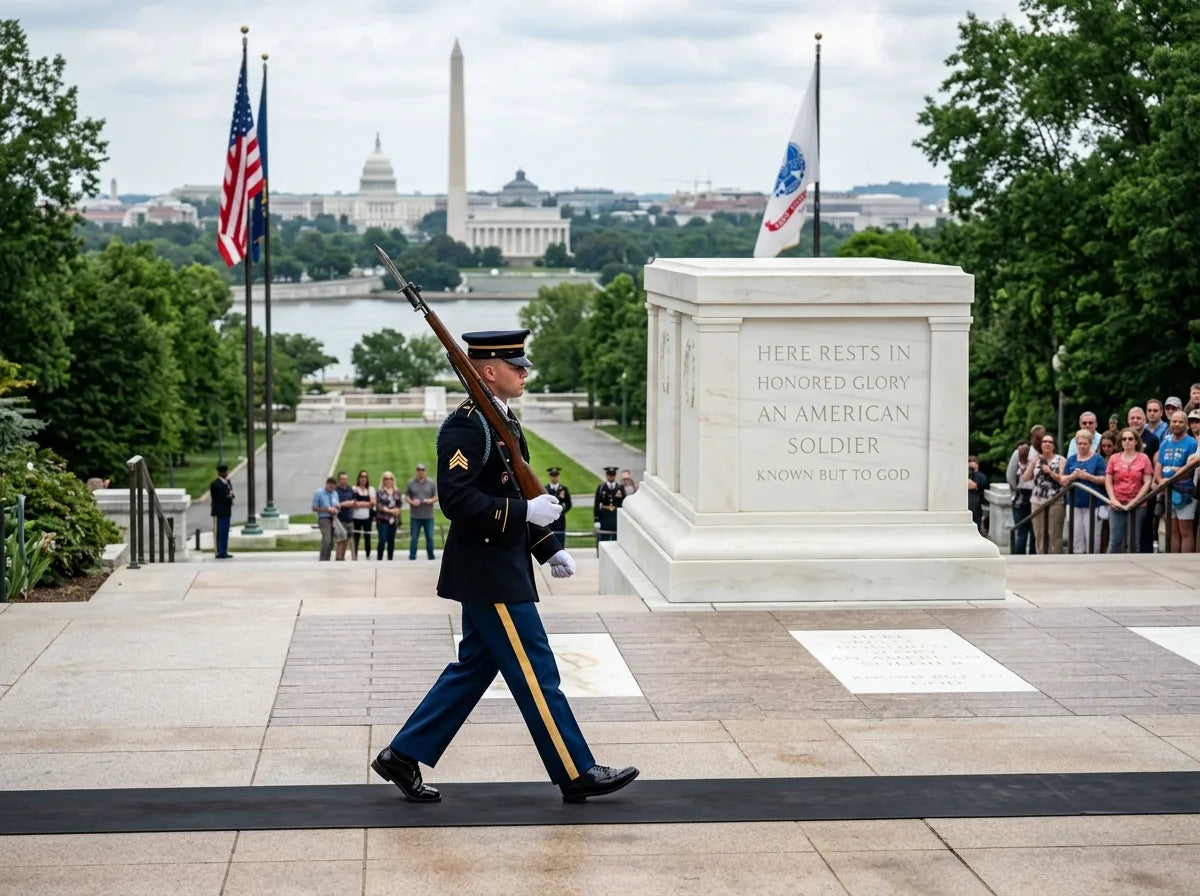
The Old Guard conducts funerals at Arlington National Cemetery, stands sentinel at the Tomb of the Unknown Soldier, and participates in presidential inaugurations. These duties require a high level of precision, discipline, and training that is unique within the Army.
Support to Civil Authorities
The MDW regularly coordinates with federal, state, and local agencies to provide military support during large-scale events. Presidential inaugurations, major protests, and national emergencies all require careful planning between the MDW and civilian authorities. This interagency coordination is a core competency of the command.
Understanding the relationship between military commands and civilian contractors is also relevant here. For context on how private sector support integrates with military operations, it’s worth reading about what a private contractor with the military actually does, since contractor support plays a role in many MDW logistics and infrastructure functions.
🗺️ Key Installations Under MDW Command
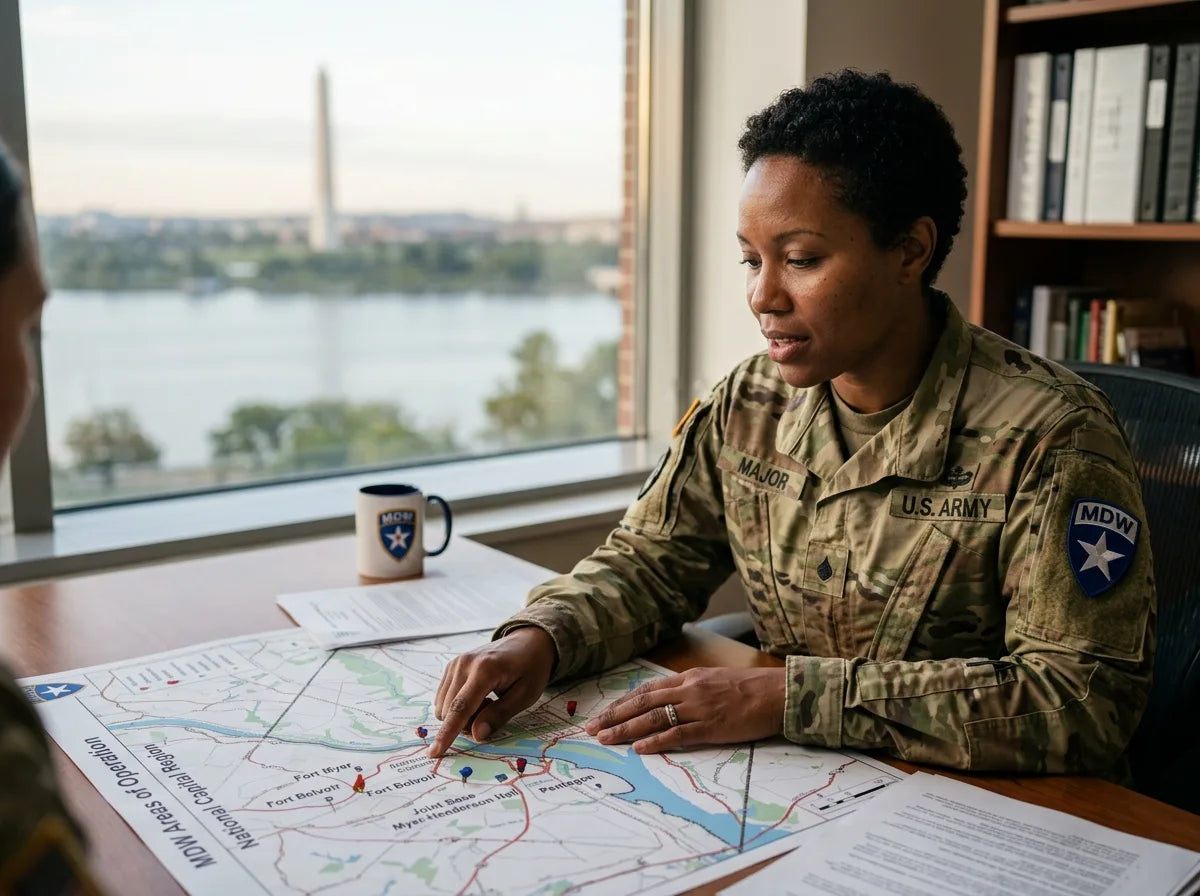
The Military District of Washington oversees several significant military installations in the National Capital Region. Each plays a specific role in supporting the command’s overall mission.
| Installation | Location | Primary Role |
|---|---|---|
| Fort Lesley J. McNair | Washington, D.C. | 🏛️ MDW Headquarters, NDU |
| Joint Base Myer-Henderson Hall | Arlington, Virginia | 🎖️ Old Guard, Army leadership |
| Arlington National Cemetery | Arlington, Virginia | ⚰️ Military honors and burials |
| Fort Belvoir | Fairfax County, Virginia | 🔧 Army support and logistics |
Fort Lesley J. McNair is the oldest active Army post in the country and serves as the command’s nerve center. It also hosts the National Defense University (NDU), one of the premier military education institutions in the United States.
🎖️ The Old Guard: The MDW’s Most Recognized Unit
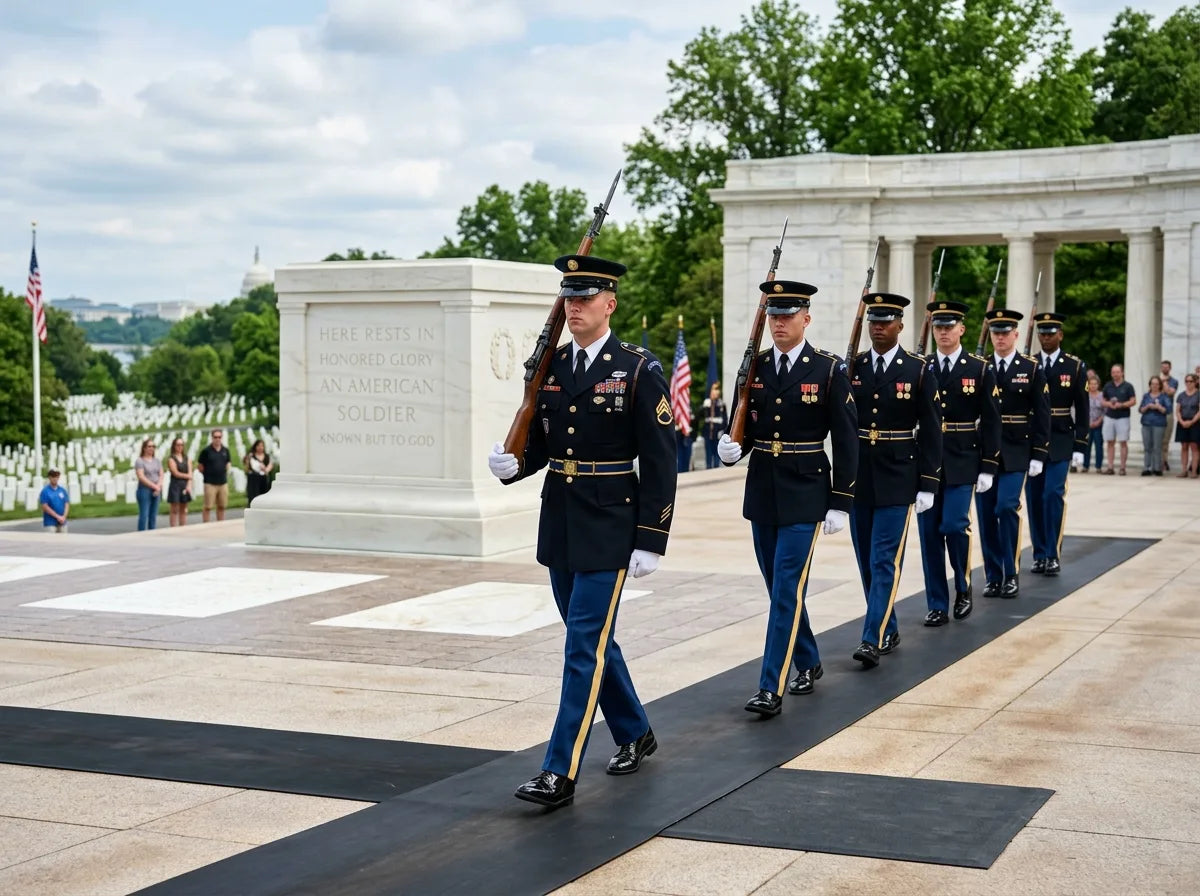
No discussion of the Military District of Washington is complete without focusing on the 3rd U.S. Infantry Regiment, known as the Old Guard. Established in 1784, it is the oldest active-duty infantry unit in the U.S. Army and carries an enormous amount of historical and ceremonial responsibility.
Soldiers selected for the Old Guard undergo rigorous screening and training. Physical standards, bearing, and attention to detail are paramount. These soldiers represent the Army in front of the American public and foreign dignitaries on a daily basis.
What the Old Guard Does
- Conducts military funeral honors at Arlington National Cemetery
- Guards the Tomb of the Unknown Soldier around the clock, every day of the year
- Participates in presidential inaugurations and state arrival ceremonies
- Supports Joint Full Honor Corteges for fallen service members
- Performs the Twilight Tattoo, a free public military pageant in Washington
- Maintains the Army’s Caisson Platoon for horse-drawn funeral processions
The Old Guard’s presence at Arlington National Cemetery alone is a powerful symbol of the military’s commitment to honoring those who served. The Tomb of the Unknown Soldier guard change is one of the most precise and moving military ceremonies in the world, drawing thousands of visitors each year.
🔍 MDW’s Role in National Security and Emergency Response
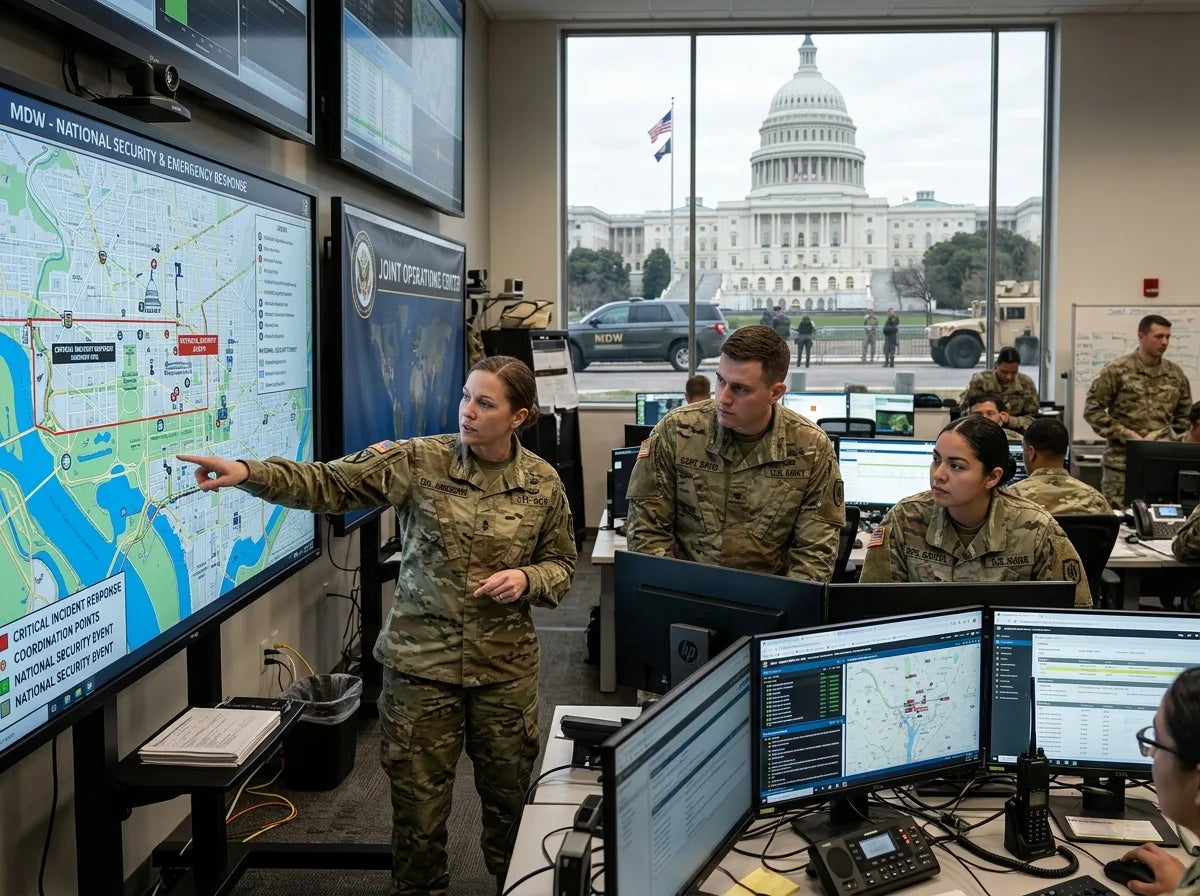
Beyond ceremonies and protocol, the MDW holds a critical position in the national security architecture. As the Army command closest to the center of federal government, it is uniquely positioned to respond to threats or emergencies in the capital region faster than any other Army command.
The MDW maintains close working relationships with the Pentagon Force Protection Agency, the U.S. Secret Service, the Capitol Police, and the FBI. This interagency network allows for rapid coordination when threats emerge. During high-profile events like State of the Union addresses or foreign leader visits, MDW assets are often activated behind the scenes.
The command also plays a role in continuity of government planning, ensuring that military support is available to maintain essential government functions during a catastrophic event. This is a classified but well-documented aspect of the MDW’s mission that underscores its strategic importance.
For those interested in where elite military capability fits within this broader security framework, exploring what the most elite military unit in the world is provides useful context on how specialized forces might integrate with commands like the MDW during high-threat scenarios.
✅ Why the Military District of Washington Matters
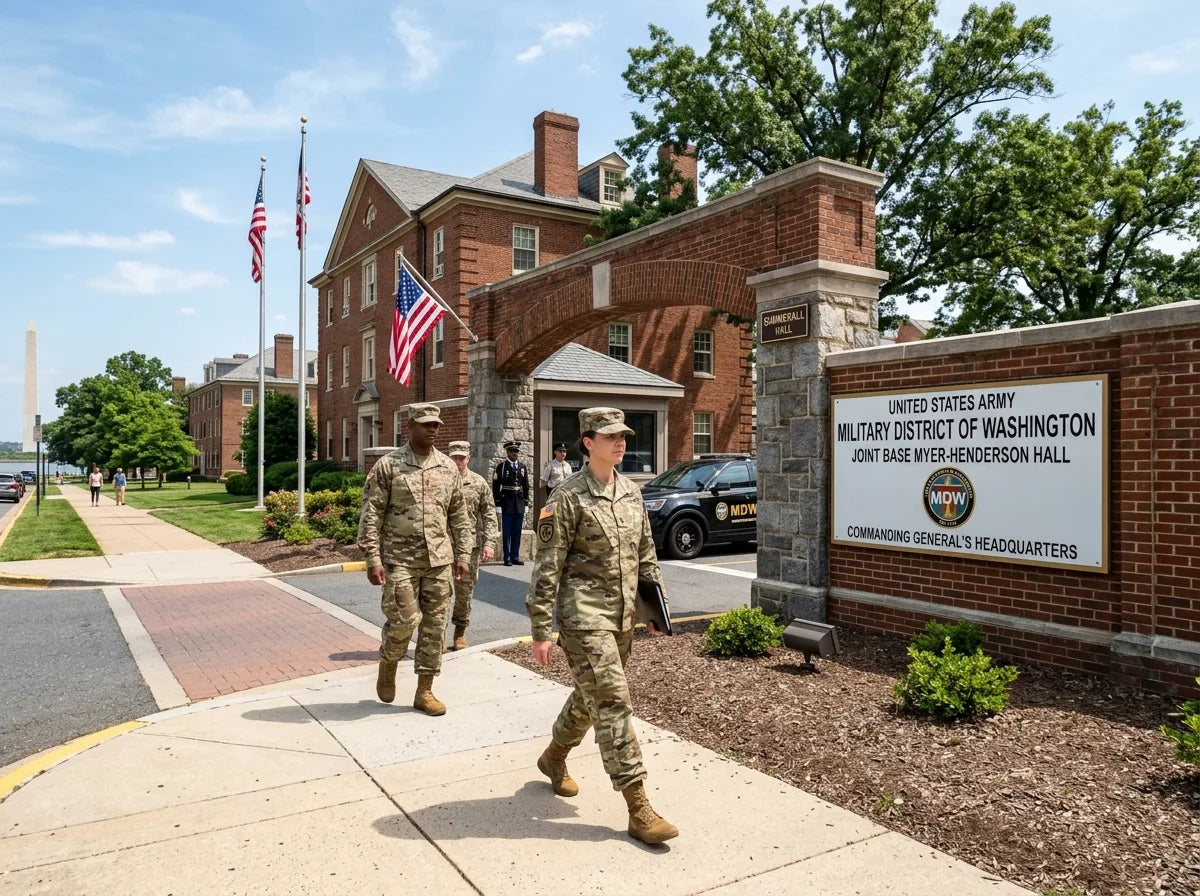
The Military District of Washington is far more than a ceremonial command. It sits at the intersection of military power, national security, and American tradition. From managing the solemn honors at Arlington National Cemetery to coordinating emergency response in the nation’s capital, the MDW carries out missions that few other Army commands can replicate.
Its unique position, covering the geographic heart of American government, means it must balance precision protocol with real-world readiness at all times. Understanding the MDW helps explain how the U.S. Army maintains both its ceremonial dignity and its operational edge in the most politically sensitive environment in the country. For anyone interested in military structure, the MDW is an essential piece of the puzzle.