
What Does Military Grade Mean
The term “military grade” appears on everything from phone cases to flashlights to tactical backpacks. But what does it actually mean? Is it a regulated standard, a marketing buzzword, or something in between? The answer is more nuanced than most product listings suggest, and understanding it can save you from overpaying for gear that doesn’t deliver.
🎯 What “Military Grade” Actually Means
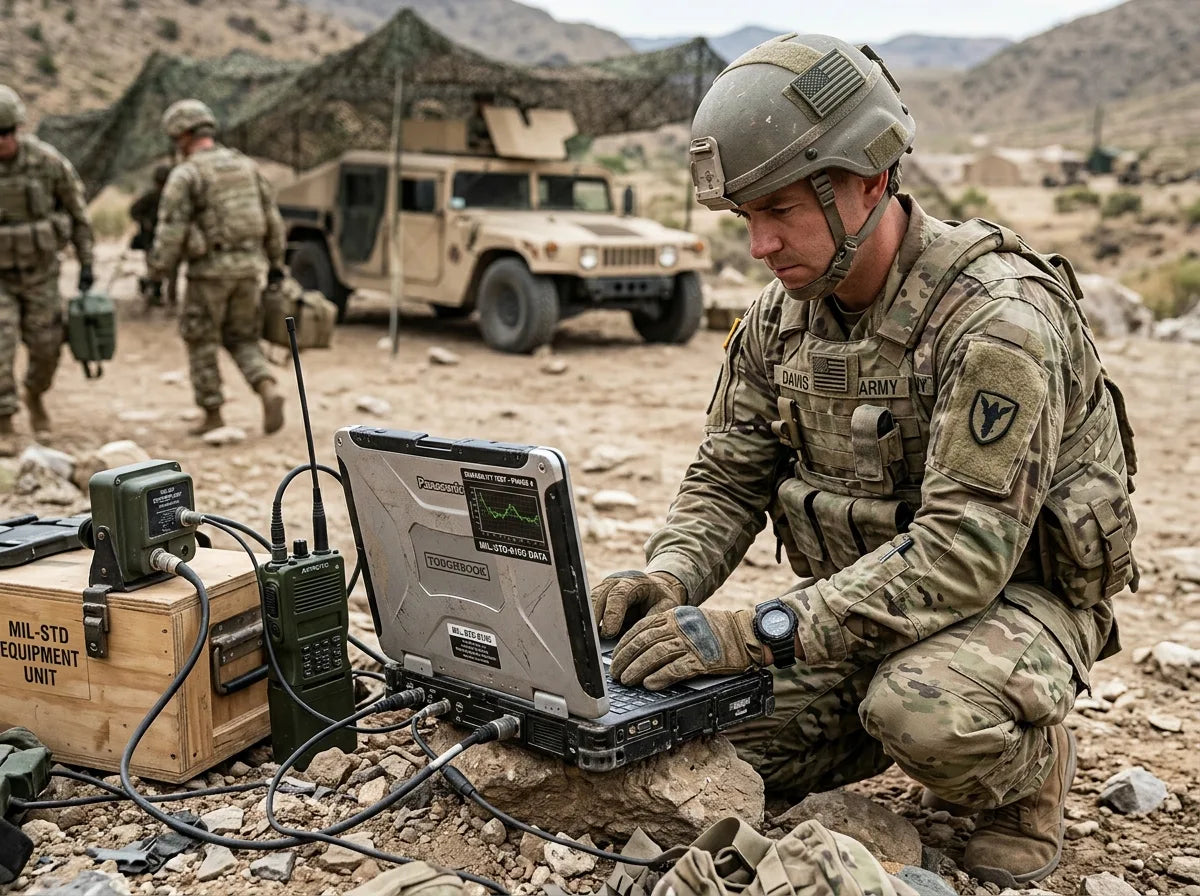
At its core, “military grade” refers to products or materials that meet specific standards set by the United States Department of Defense (DoD) or equivalent defense organizations in other countries. These standards are documented in official Military Specifications, commonly called MIL-SPEC or MIL-STD documents.
A MIL-SPEC outlines precise requirements for a product’s design, construction, materials, testing, and performance. These aren’t vague guidelines – they’re detailed technical documents that manufacturers must follow to supply equipment to the military. Think of them as strict engineering blueprints with zero tolerance for cutting corners.
The problem is that the phrase “military grade” has no legal protection. Any company can print it on a label without meeting any actual military standard. This is where the term loses its meaning in the consumer market.
📋 Understanding MIL-SPEC Standards
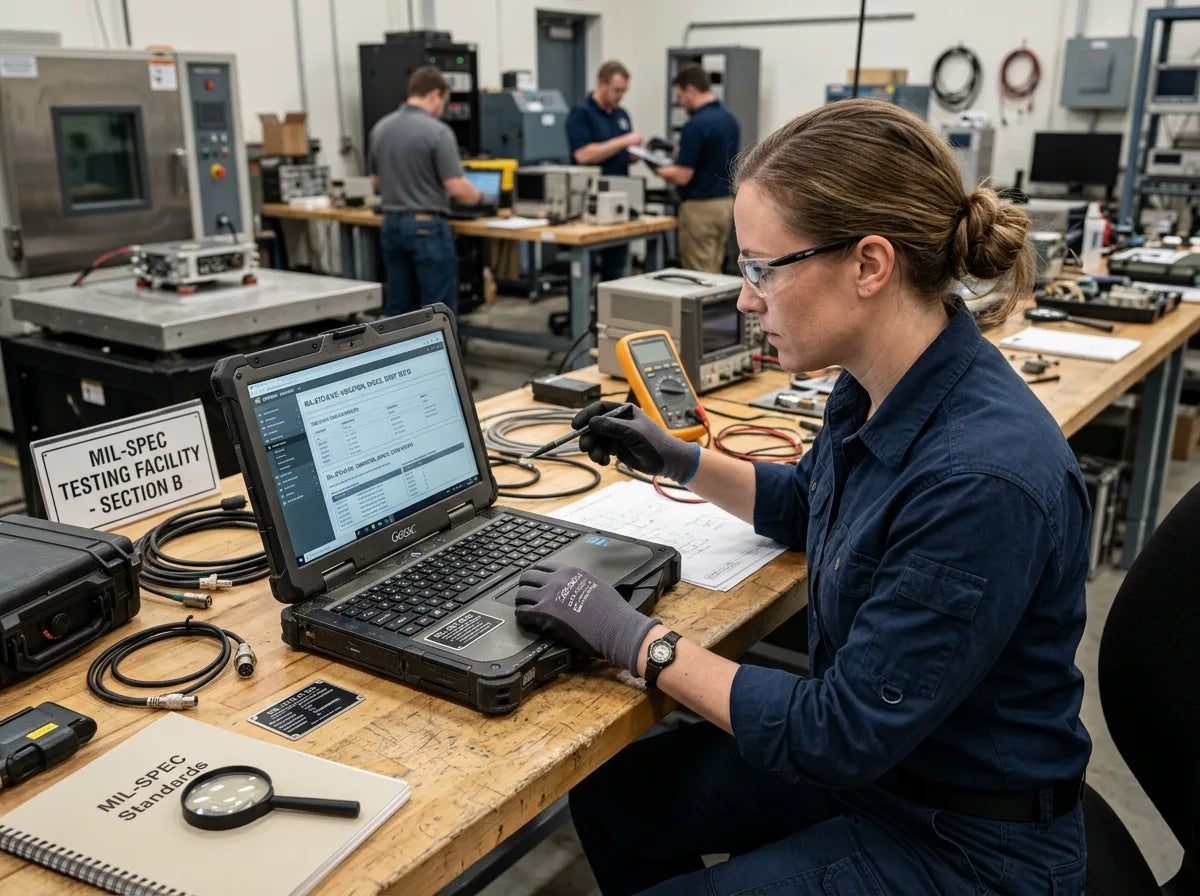
The U.S. military uses a structured system of specifications to define quality and performance benchmarks. These documents are publicly available through the Defense Logistics Agency’s QuickSearch database, so anyone can verify whether a product genuinely references a real standard.
Common MIL-SPEC Designations You’ll See
Different products reference different specifications depending on their function. Here are some of the most frequently cited standards in the consumer space:
- MIL-STD-810 – Environmental engineering considerations, covering shock, vibration, temperature extremes, humidity, and altitude resistance
- MIL-A-8625 – Anodic coatings for aluminum, commonly referenced for firearms and tactical equipment
- MIL-SPEC 17-4 stainless steel – A high-strength, corrosion-resistant alloy used in knives, tools, and hardware
- MIL-DTL-43436 – Specifications for tactical nylon webbing and fabric used in load-bearing equipment
- MIL-STD-461 – Electromagnetic interference requirements for electronic devices
- MIL-C-44050 – Standards for parachute cord (paracord), defining tensile strength and construction
When a product genuinely meets one of these standards, it means it has been tested under controlled conditions and passed specific performance thresholds. That is a meaningful claim. When a product simply says “military grade” without citing a specific standard, it means very little.
MIL-STD-810: The Most Referenced Standard
MIL-STD-810 is arguably the most commonly cited specification in consumer electronics and outdoor gear. It covers a wide range of environmental tests designed to simulate real-world stress conditions. A device tested to MIL-STD-810 has typically been subjected to:
- Drop tests from defined heights onto hard surfaces
- Temperature cycling between extreme heat and cold
- Humidity and moisture exposure
- Altitude simulation for low-pressure environments
- Vibration and mechanical shock testing
However, there’s a critical detail most marketing materials skip: MIL-STD-810 is a testing methodology, not a pass/fail certification. Manufacturers can choose which specific tests to run and at what thresholds. A phone can be “MIL-STD-810 tested” after surviving only one of the 29 possible test categories. Always look for specific test details, not just the name of the standard.
⚠️ When “Military Grade” Is Just Marketing
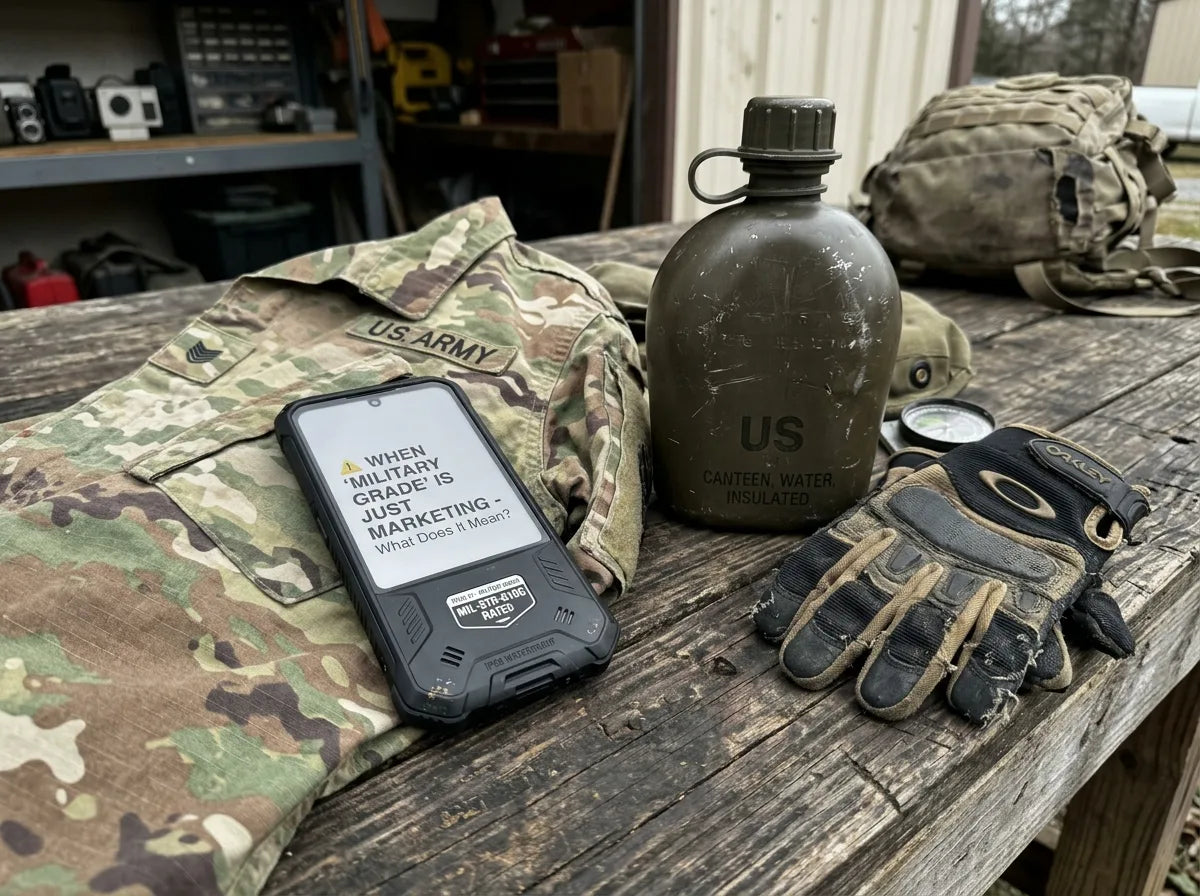
The consumer market is flooded with products using military-sounding language to justify premium pricing. A plastic phone case labeled “military grade” may have been drop-tested internally with no external verification, no specific MIL-SPEC citation, and no independent certification body involved.
This matters because genuine military procurement involves a rigorous approval process. Suppliers must submit products for third-party testing, maintain quality control documentation, and often undergo factory audits. Consumer products face none of these requirements unless the manufacturer voluntarily pursues certification.
Red flags to watch for when evaluating “military grade” claims:
- No specific MIL-SPEC number cited (just “military grade” with no reference)
- No mention of independent testing or certification body
- Vague phrases like “military-inspired design” or “military-style construction”
- Products in categories where no relevant MIL-SPEC actually exists
- Marketing language focused on appearance rather than performance data
Understanding how military systems and standards work is broader than just gear ratings. If you’ve ever wondered how to find out what name DEERS has on file for military personnel, that’s another area where official systems and documentation matter far more than surface-level assumptions.
✅ Products Where Military Grade Standards Are Legitimate
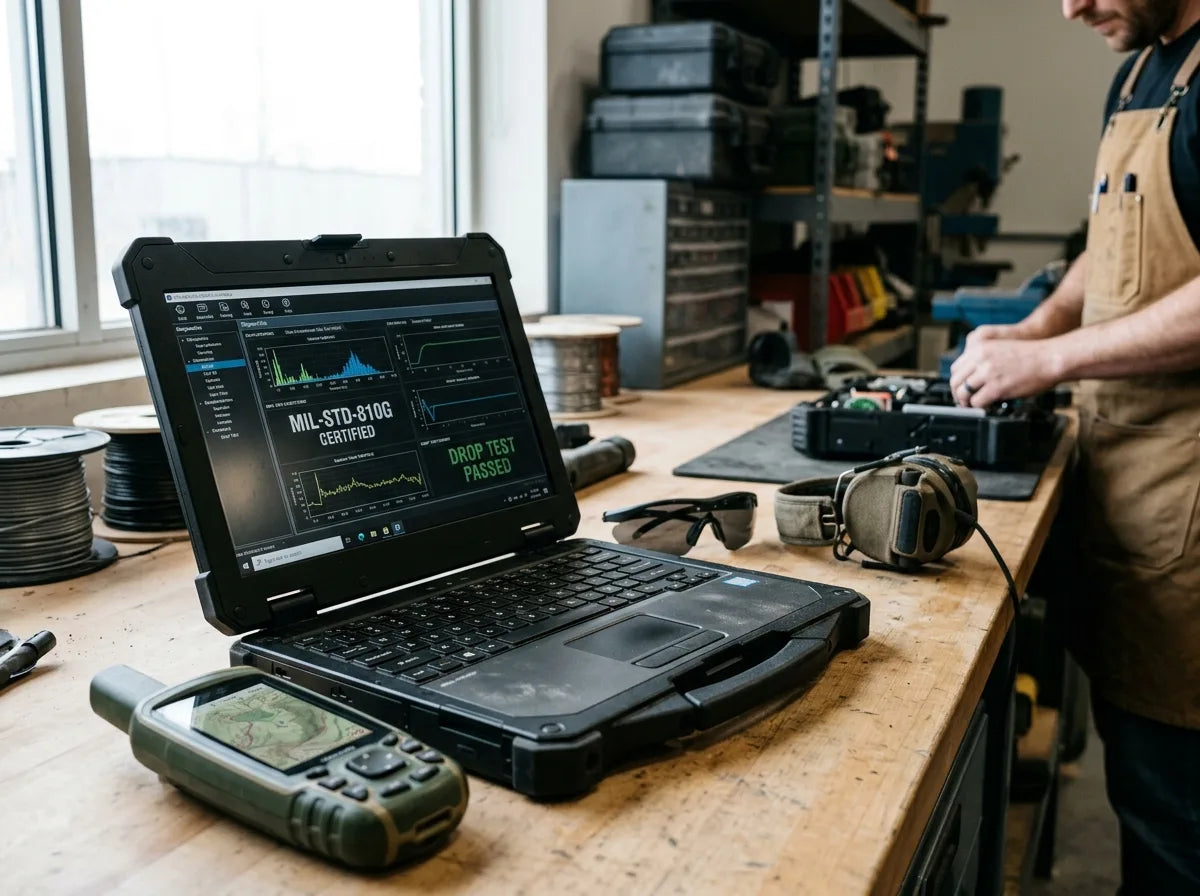
Despite the marketing noise, there are product categories where military-grade claims carry real weight. These are areas with established, specific standards and a history of actual military procurement.
Firearms and Ammunition
Mil-spec firearms components are among the most regulated in the consumer market. AR-15 components, for example, reference specific tolerances, materials, and finishes that match actual military contracts. A mil-spec trigger group or barrel profile has defined dimensions that ensure cross-compatibility and performance reliability.
Optics and Night Vision
Military-grade optics, particularly night vision devices, often carry genuine MIL-SPEC ratings because they are frequently sold as surplus or built to the same production lines as defense contracts. These products are tested for shock resistance, optical clarity under extreme conditions, and environmental sealing.
Ballistic Protection
Body armor and helmets use NIJ (National Institute of Justice) ratings alongside military standards. Level III and Level IV armor ratings are standardized, independently tested, and directly comparable across manufacturers. This is one of the most regulated categories in personal protection equipment.
Cordage and Textiles
Genuine 550 paracord meeting MIL-C-44050 specifications has a minimum breaking strength of 550 pounds, seven inner strands, and specific construction requirements. Cheap imitations may look identical but fail under load. This is a category where the MIL-SPEC distinction is genuinely safety-relevant.
🔍 How to Verify Military Grade Claims Before Buying
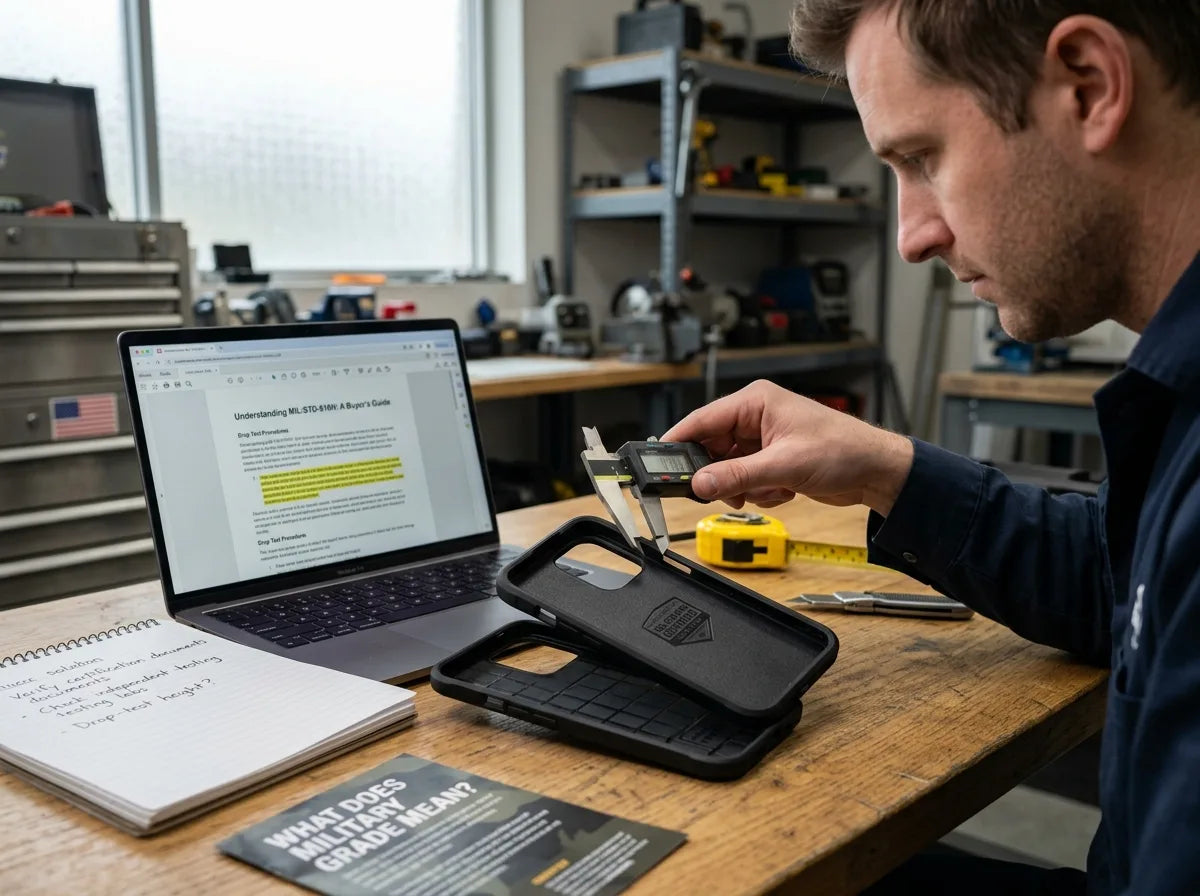
Knowing how to evaluate these claims protects your wallet and, in some cases, your safety. Here’s a practical approach to separating genuine specs from marketing fluff.
| Verification Step | What to Look For | Red Flag |
|---|---|---|
| Specific Standard Citation | ✅ Exact MIL-SPEC number (e.g., MIL-STD-810H) | ❌ “Military grade” with no number |
| Test Details | ✅ Specific test methods and pass criteria listed | ❌ Vague references to “rigorous testing” |
| Third-Party Certification | ✅ Independent lab or certification body named | ❌ Only “internally tested” or no info given |
| Material Specs | ✅ Alloy grade, fabric weight, or material standard cited | ❌ “Premium materials” with no specifics |
| Actual Military Use | ✅ Product is on GSA schedule or issued by DoD | ❌ “Used by military professionals” (unverified) |
One practical tip: search the product name alongside the specific MIL-SPEC number. If no independent reviews, data sheets, or technical documentation come up confirming the claim, treat it with skepticism.
💰 Does Military Grade Mean Better Value?

Not automatically. Genuine MIL-SPEC products are built for specific operational requirements, which sometimes means they’re overbuilt for everyday civilian use and priced accordingly. A true mil-spec component designed for a combat environment may outlast several consumer-grade alternatives, making the higher upfront cost worthwhile over time.
But in categories where the “military grade” label is purely marketing, you may be paying a 20-40% premium for a product that performs no better than a standard consumer alternative. The value equation depends entirely on whether the claim is genuine.
For context, the military procurement world involves many layers beyond just equipment standards. Understanding roles like what a private contractor with the military actually does helps illustrate how complex the supply chain behind “military grade” products really is, from design specifications all the way through production and delivery.
The best approach is to focus on verified performance data rather than the label itself. A product with documented test results and specific material certifications is always a better buy than one relying on the military grade phrase alone.
Conclusion

“Military grade” can mean rigorous, independently verified performance standards built for demanding conditions – or it can mean nothing at all. The difference comes down to whether a specific MIL-SPEC is cited, how testing was conducted, and whether third-party verification exists. Before buying any product marketed with this term, ask for the specific standard, check the test methodology, and look for documented proof. That’s how you separate real quality from a well-designed label.