
How to Become a Military Pilot
Becoming a military pilot is one of the most competitive and rewarding career paths in the armed forces. The process demands physical fitness, academic excellence, and mental toughness. Whether you’re aiming for the Air Force, Navy, Army, or Marines, this guide breaks down every essential step to get you airborne.
🎯 Understanding the Different Military Pilot Paths
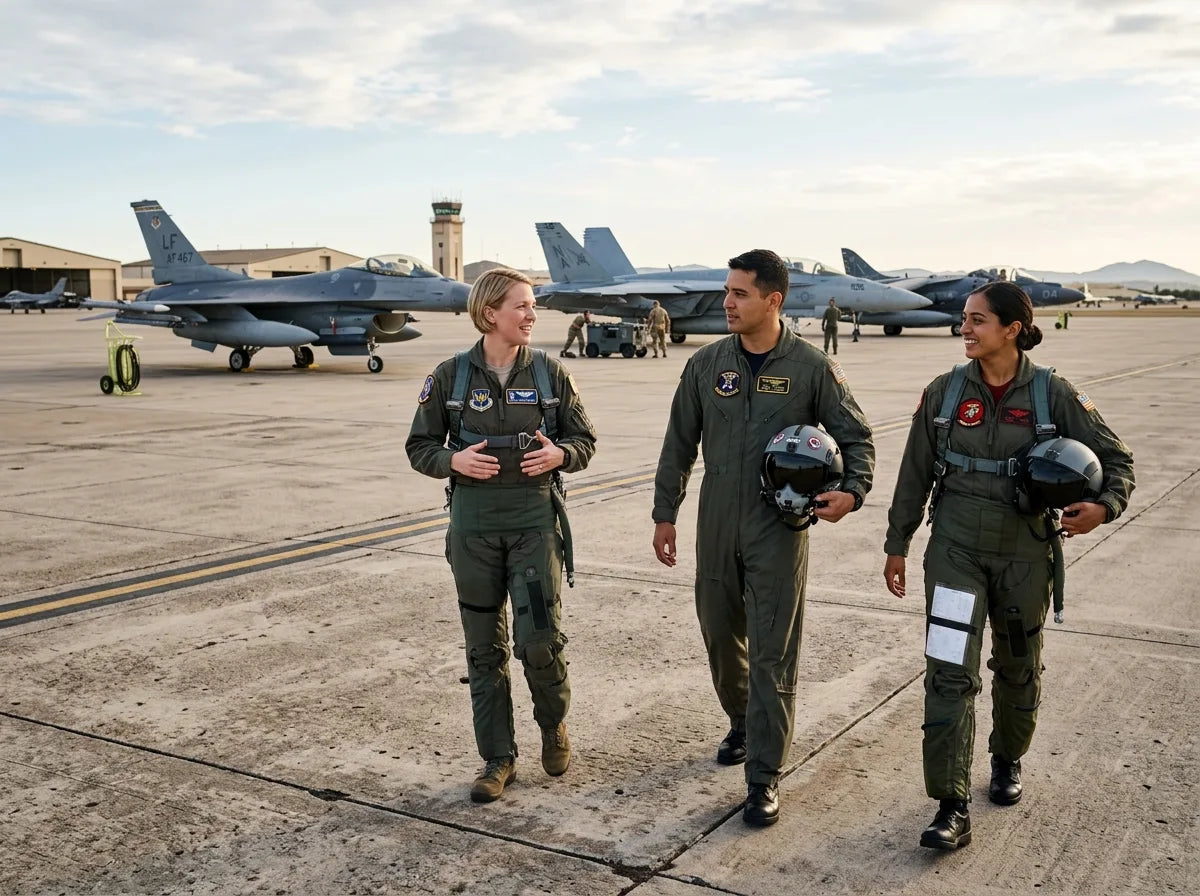
Not all military pilots fly the same aircraft or serve the same mission. Before committing to a path, it’s critical to understand the differences between branches and what each demands from candidates. Your choice of branch will shape your training, aircraft type, and long-term career options.
Branch-by-Branch Overview
Each branch of the military has its own pilot program with distinct requirements and aircraft. The Air Force operates fighters, bombers, and transport aircraft. The Navy and Marine Corps focus heavily on carrier-based aviation. The Army primarily trains helicopter pilots for rotary-wing operations. The Coast Guard offers both fixed-wing and rotary-wing aviation focused on search and rescue.
| Branch | Primary Aircraft | Pilot Entry Route |
|---|---|---|
| Air Force | ✈️ Fighter, Bomber, Transport | Officer + UPT |
| Navy | ✈️ Carrier-based jets, Helicopters | Officer + NFAS |
| Army | 🚁 Helicopters (Apache, Black Hawk) | Warrant Officer or Officer |
| Marines | ✈️ Fighter, Harrier, Helicopters | Officer + NFAS |
| Coast Guard | 🚁 Rescue Helicopters, Fixed-Wing | Officer Commission |
✅ Basic Eligibility Requirements for Military Pilots
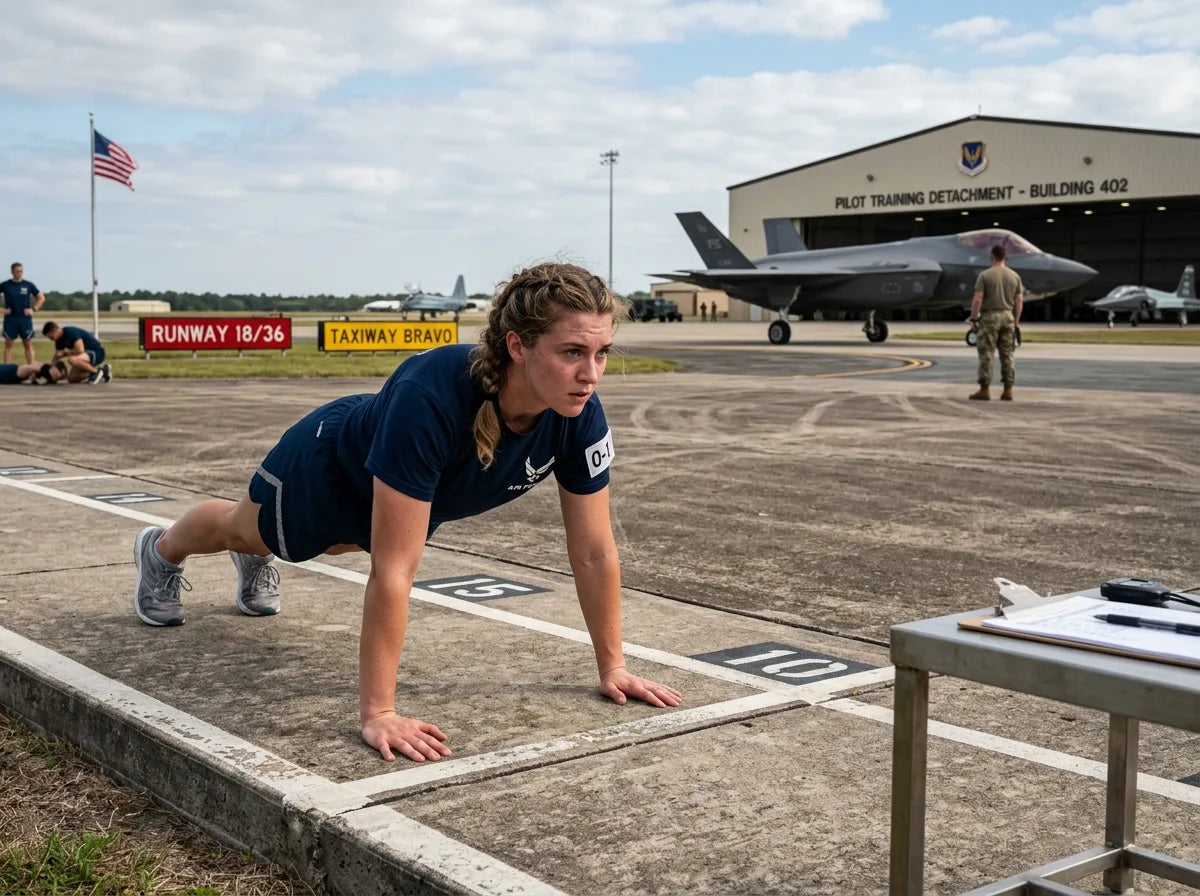
Every branch shares a core set of eligibility standards. Meeting these minimums is just the starting point, not a guarantee of selection. Competition is fierce, and candidates who exceed minimum thresholds have significantly better chances of advancing through the pipeline.
Citizenship and Age Requirements
You must be a U.S. citizen to fly for any branch of the military. Age limits vary by branch and commissioning source, but most programs require candidates to begin flight training before age 30 or 33, depending on the service. Waivers are occasionally granted but are not common.
Education Requirements
A bachelor’s degree is required for all commissioned officer pilot programs. Your degree field matters less than your GPA and aptitude scores in most cases, though STEM backgrounds can strengthen your application. Army Warrant Officer pilots are the exception, as they may qualify with a high school diploma plus college credits in some cases.
Medical and Vision Standards
Passing a Class 1 flight physical through the military’s medical examination process is mandatory. Vision requirements have become more flexible in recent years, with many branches now accepting corrected vision through PRK or LASIK surgery. However, uncorrected vision standards still apply for some platforms, so check branch-specific requirements carefully.
- Normal color vision (no color blindness waivers for most cockpits)
- Height and weight within branch standards
- No disqualifying medical history (cardiac, neurological, psychiatric)
- Hearing within acceptable thresholds
- Blood pressure within normal limits
📋 How to Become a Military Officer First
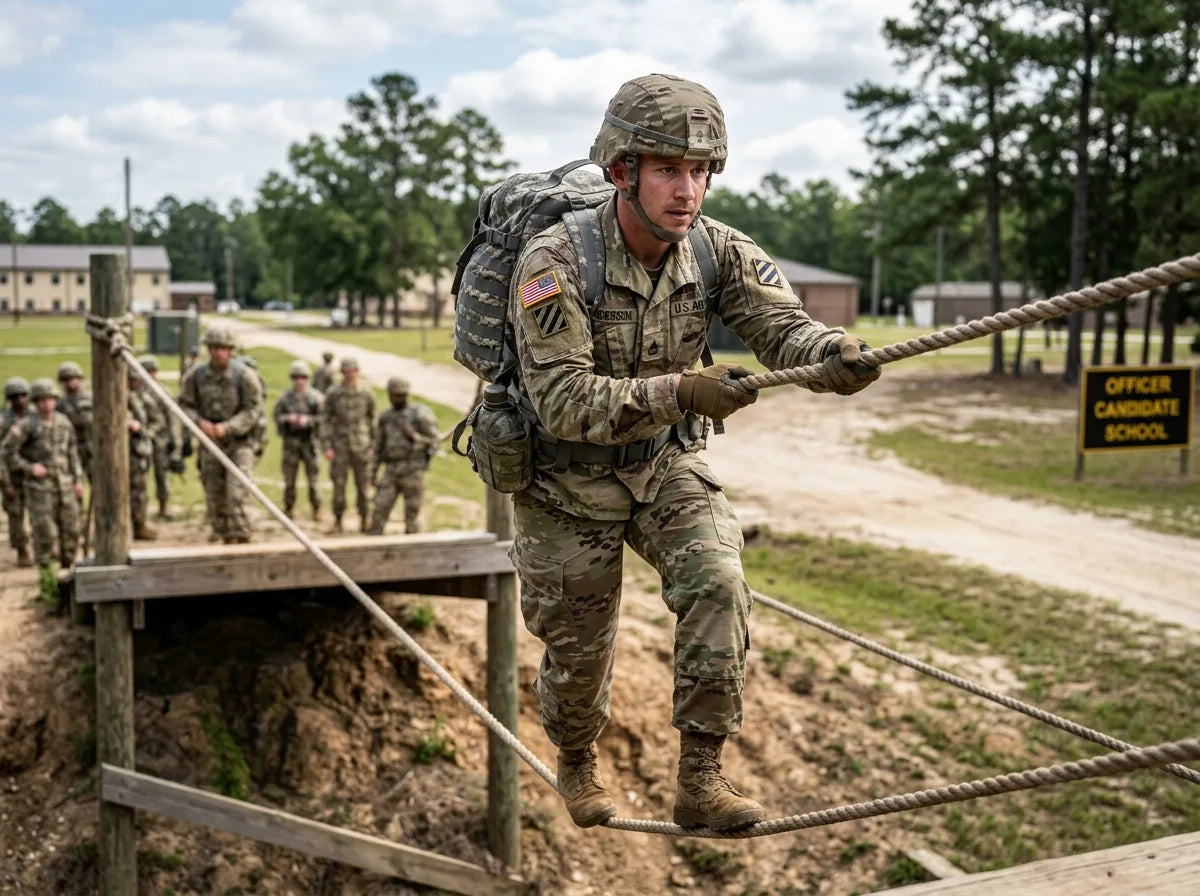
With rare exceptions, you must become a commissioned officer before entering pilot training. There is no direct enlisted path to flying military jets, though Army Warrant Officer aviation is a notable alternative route for rotary-wing candidates.
Commissioning Sources
The three primary ways to earn a commission are through a Service Academy (West Point, Annapolis, Air Force Academy), ROTC (Reserve Officers’ Training Corps) at a civilian university, or Officer Candidate School (OCS) / Officer Training School (OTS) after earning a degree. Each route has different timelines and competitive requirements.
ROTC is the most accessible route for most candidates. Scholarships are available, and the program allows you to complete a standard four-year college degree while earning your commission. OCS and OTS are faster routes for those who already hold a degree and want to commission quickly.
Applying for a Pilot Slot
Earning a commission does not guarantee a pilot slot. You must compete separately for a rated aviation position within your branch. This involves submitting a pilot candidate package that typically includes your academic records, physical fitness scores, letters of recommendation, and results from aviation aptitude testing.
🎓 Aviation Aptitude Tests You Need to Pass
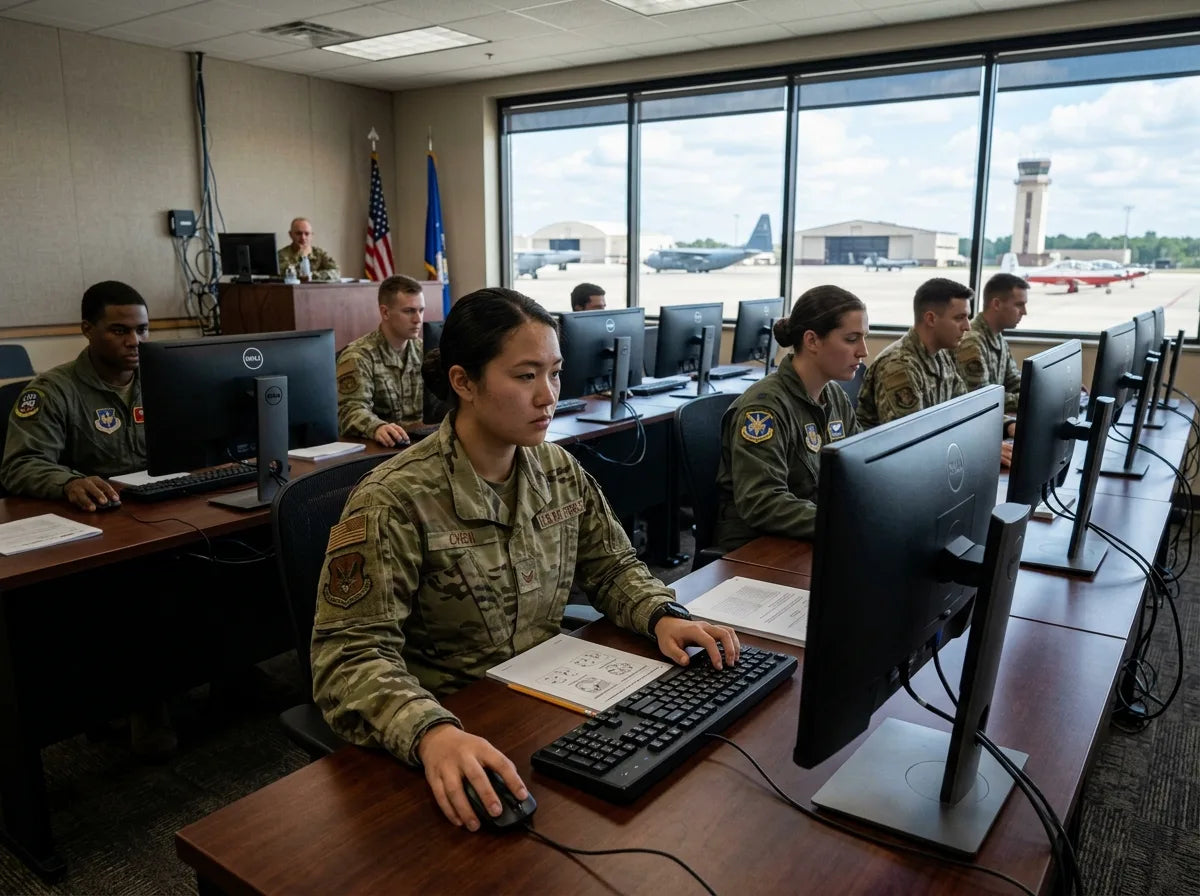
Each branch uses a standardized aptitude test to screen pilot candidates. Your scores on these exams heavily influence your chances of selection, often more than your academic GPA. Preparing thoroughly for these tests is one of the highest-leverage steps you can take early in the process.
Managing the administrative side of military life is also part of becoming an officer, including understanding systems like how to access military email, which becomes essential for tracking application status, training schedules, and official correspondence throughout your career.
Branch-Specific Pilot Aptitude Tests
- Air Force / Space Force: TBAS (Test of Basic Aviation Skills) – measures hand-eye coordination, multi-tasking, spatial awareness
- Navy / Marines / Coast Guard: ASTB-E (Aviation Selection Test Battery) – covers math, reading, mechanical comprehension, and spatial apperception
- Army: SIFT (Selection Instrument for Flight Training) – tests aviation knowledge, spatial reasoning, and cognitive ability
Study materials are available for all three tests. The ASTB-E and SIFT in particular have well-documented preparation guides. Many candidates retake these exams if their branch allows it, though retake policies vary. Scoring in the top percentiles dramatically improves selection odds.
🛩️ Military Flight Training: What to Expect
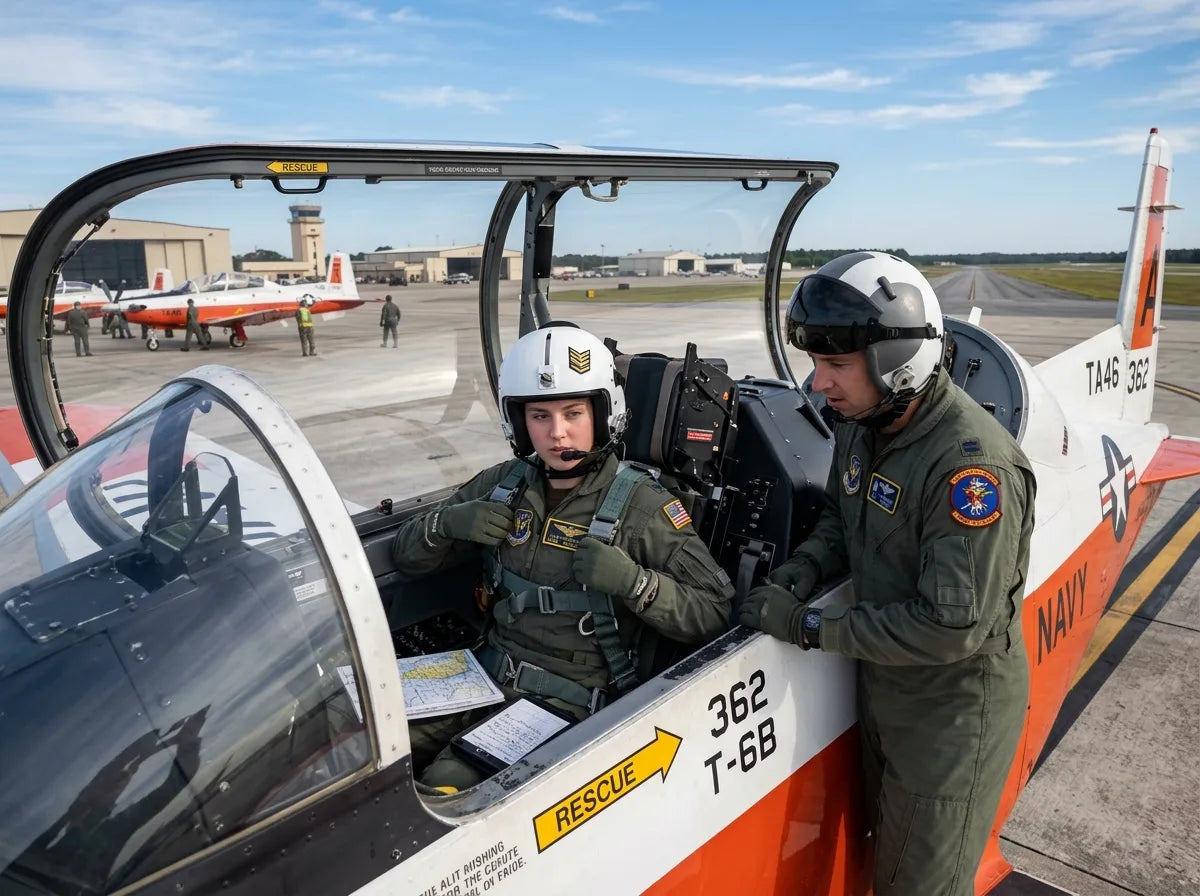
Once selected, the training pipeline is long, demanding, and highly structured. Washout rates are significant at multiple stages. Understanding what lies ahead helps candidates prepare mentally and physically before they ever step into a cockpit.
Air Force Undergraduate Pilot Training (UPT)
UPT is approximately 52 weeks long and takes place at bases including Columbus AFB, Laughlin AFB, and Vance AFB. Training progresses from ground school through T-6 Texan II basic flight training, then advanced training in either the T-38 Talon (fighter/bomber track) or T-1 Jayhawk (mobility/tanker track). Assignment to an aircraft comes at the end of UPT based on performance ranking and available slots.
Navy and Marine Corps Flight Training
Naval aviation training begins at Naval Air Station Pensacola, often called the “Cradle of Naval Aviation.” Primary training uses the T-6B Texan II, followed by advanced training in jets, helicopters, or maritime patrol aircraft depending on the student’s track assignment. Carrier qualification is required for jet pilots, adding another demanding layer to the pipeline.
Army Rotary-Wing Training
Army aviators train at Fort Novosel (formerly Fort Rucker) in Alabama, the home of Army aviation. The Warrant Officer Flight Training program typically runs around 32 weeks for the primary phase, followed by advanced qualification on specific airframes like the UH-60 Black Hawk, AH-64 Apache, or CH-47 Chinook.
💪 Physical Fitness and Mental Preparation
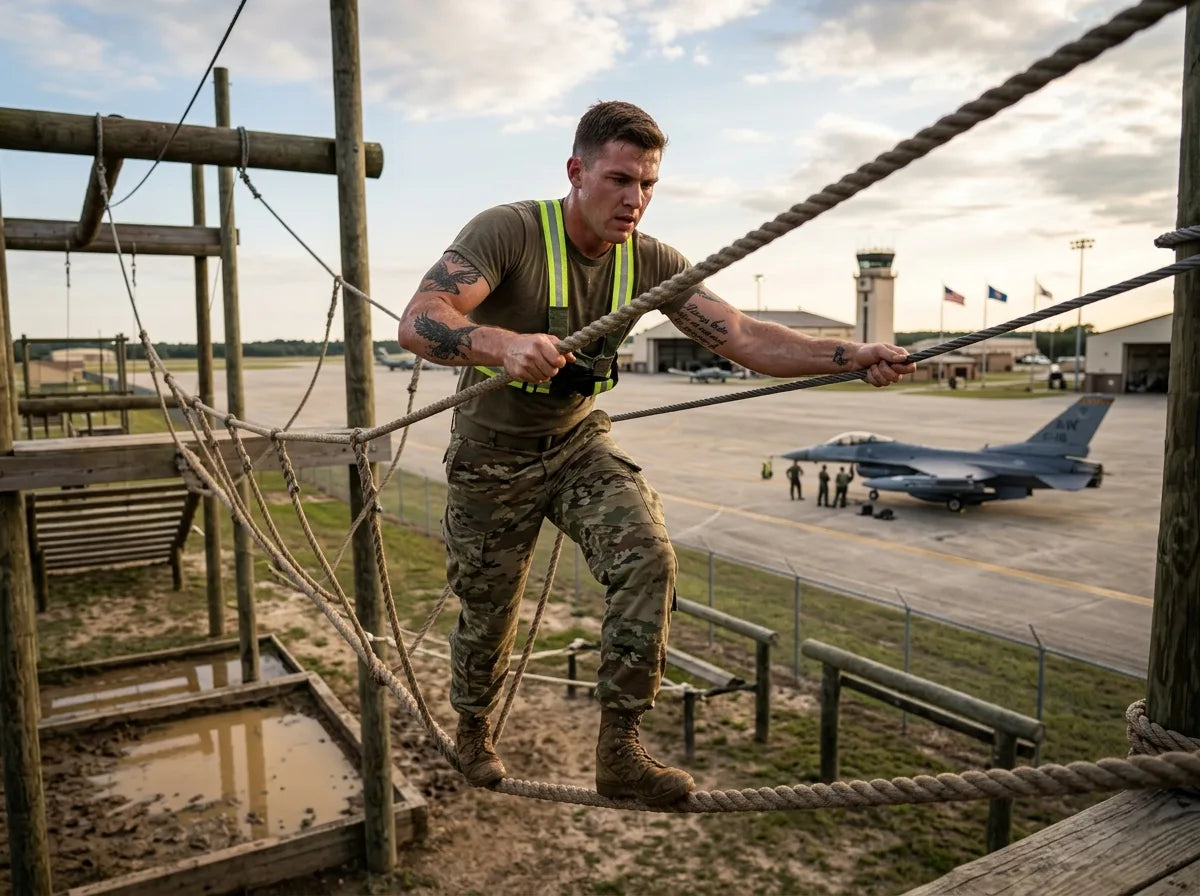
Physical fitness standards for military pilots go beyond basic service requirements. While pilots don’t face the same extreme physical demands as special operations candidates, maintaining peak fitness supports performance in high-G environments and demonstrates the discipline expected of aviators.
Mental resilience is equally important. Flight training involves repeated high-pressure evaluations, unexpected failures, and the need to perform complex tasks under stress. Candidates who develop strong stress management habits before entering training tend to perform more consistently when it counts.
- Build cardiovascular endurance through consistent running and swimming
- Train for branch-specific fitness tests (ACFT, PFT, etc.) well in advance
- Practice spatial reasoning exercises to prepare for aptitude testing
- Consider civilian flight lessons to build comfort in the cockpit early
- Develop strong study habits – ground school is academically intensive
🔑 Final Steps and Long-Term Career Considerations
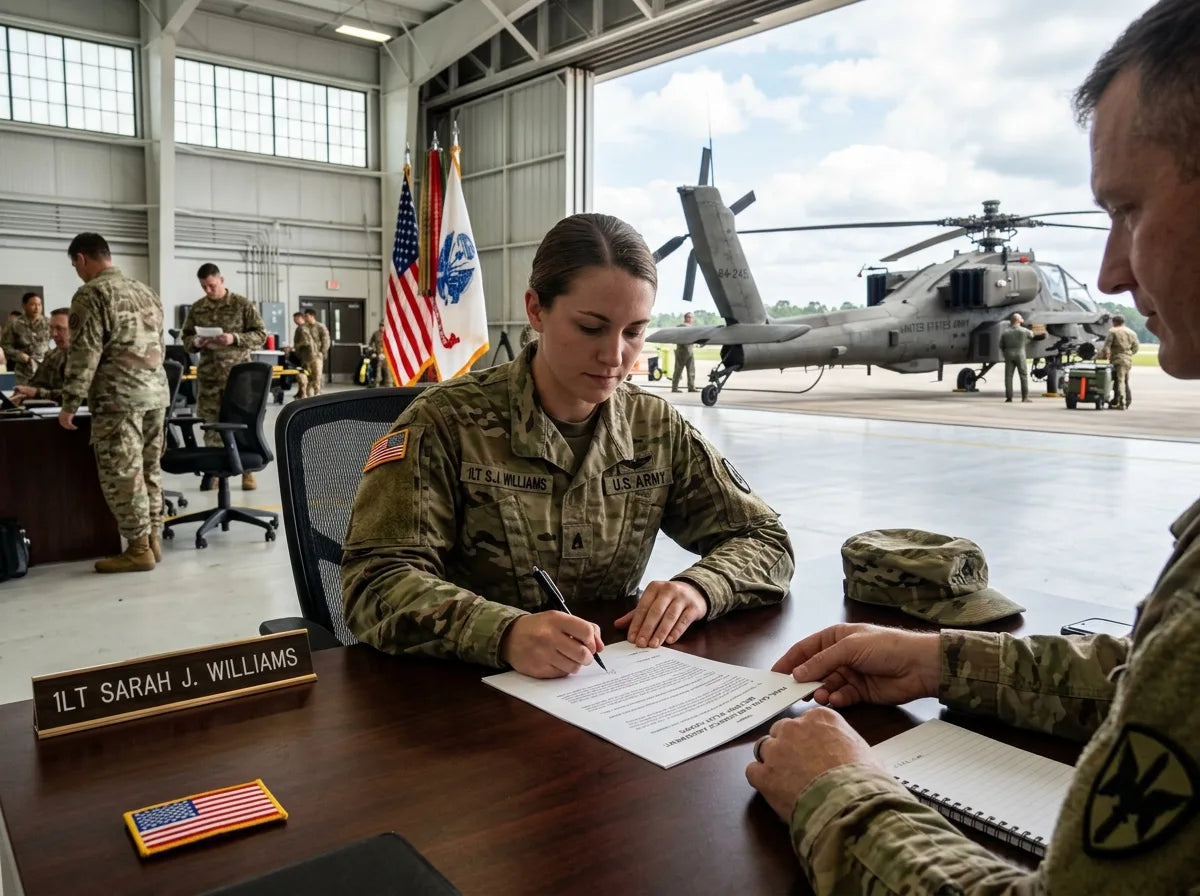
Completing flight training is a major milestone, but it’s the beginning of a career, not the end of a process. Most branches require a service commitment of 8-10 years after earning your wings. Understanding this commitment upfront is essential before investing years in the pipeline.
Military pilots who complete their service commitments are highly competitive in the civilian aviation market. Airlines actively recruit former military aviators due to their flight hours, instrument proficiency, and leadership experience. Planning your transition early, even while still in training, puts you in a stronger position later.
If you’re still in the early stages of exploring military service, learning how to enlist in the military can give you a clearer picture of the broader service pathways available, including how enlisted experience can sometimes strengthen an officer and pilot candidate application.
Conclusion
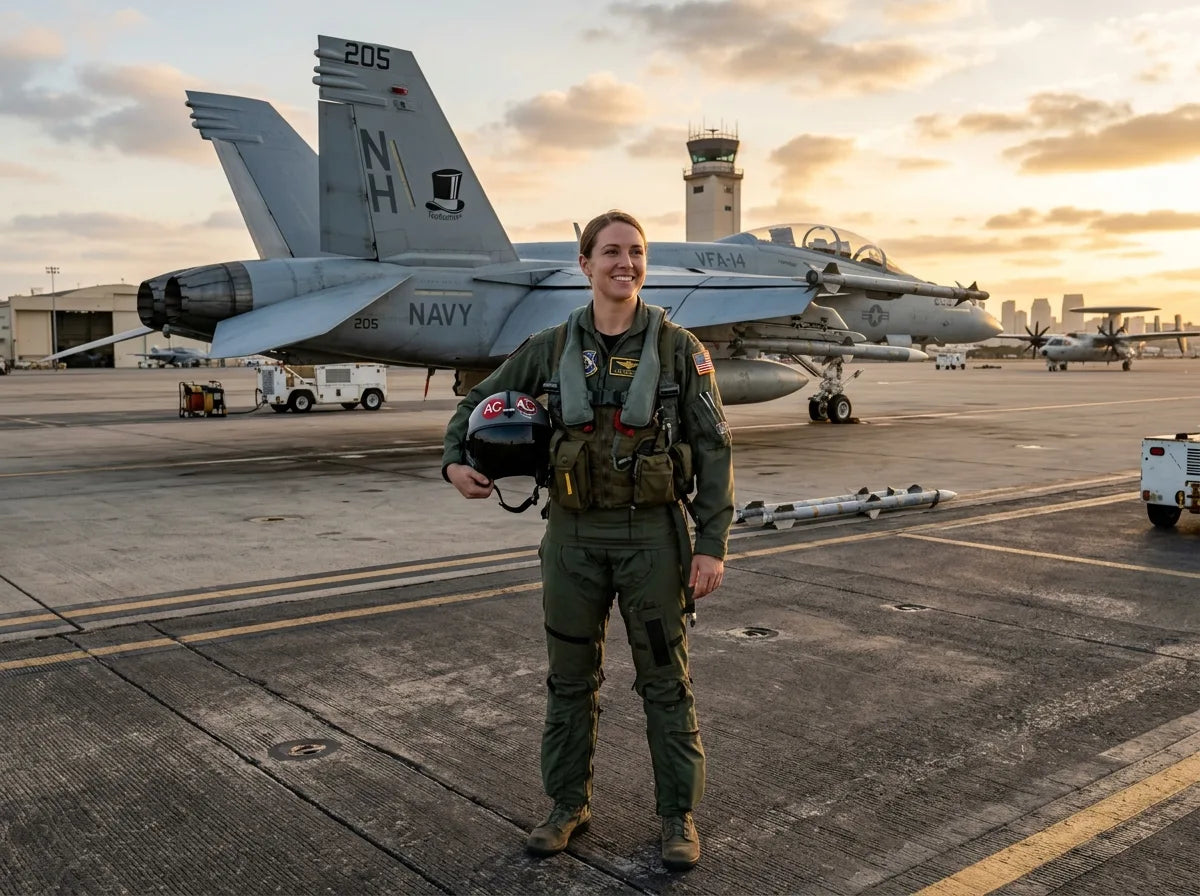
Becoming a military pilot requires years of deliberate preparation, from earning a degree and commission to passing aptitude tests and surviving a demanding flight training pipeline. The path is long, but the career it leads to is genuinely exceptional. Start early, exceed minimum standards wherever possible, and treat each stage of the process as a competitive opportunity, not just a checklist. The cockpit rewards those who prepare with intention.