
What Year Did Military Stop Using Sword
The sword defined warfare for thousands of years. Then, in a matter of decades, it became a relic. But the transition wasn’t overnight, and the answer to when the military stopped using swords depends heavily on which army, which conflict, and what you mean by “stopped.” Here’s the real history.
⚔️ A Brief History of the Military Sword
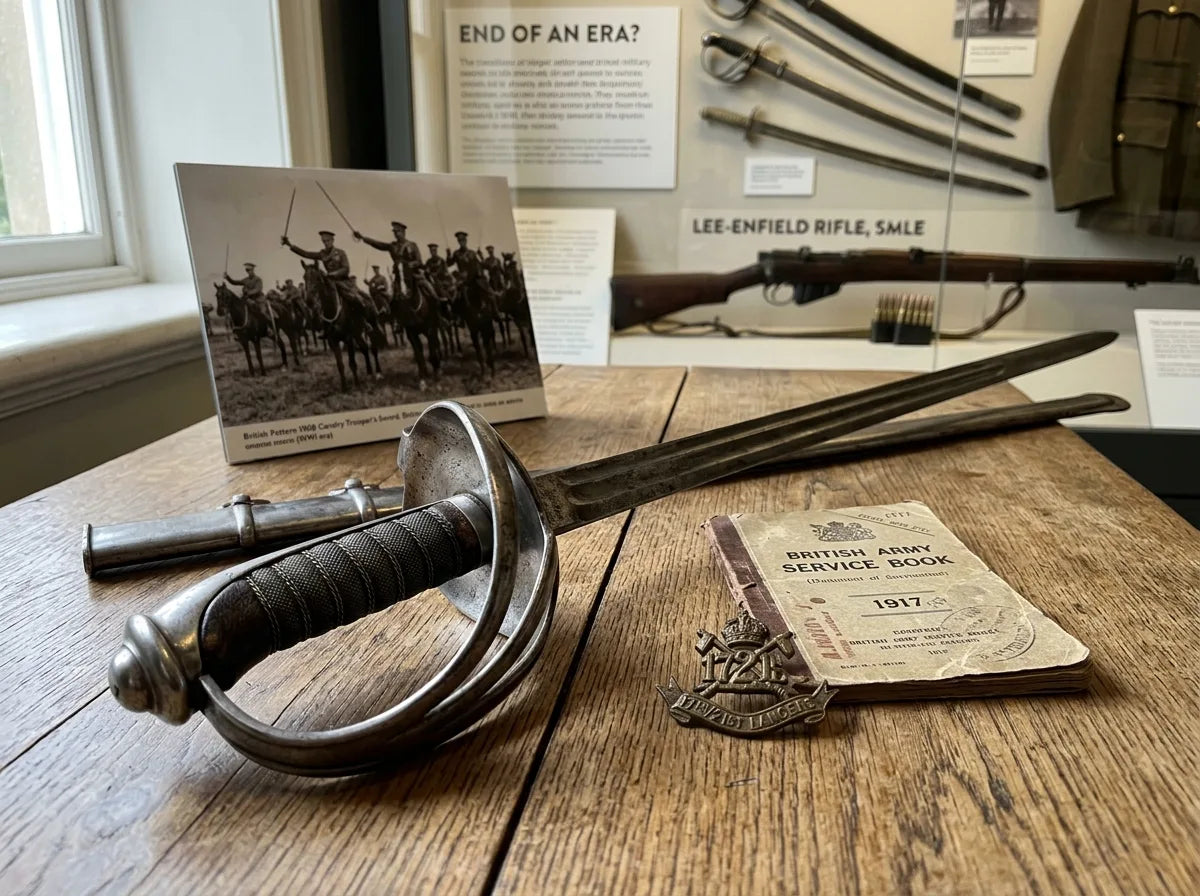
Swords have been standard military weapons since ancient civilizations. Egyptian, Greek, Roman, and medieval armies all relied on bladed weapons as primary combat tools. The sword wasn’t just a weapon – it was a symbol of rank, discipline, and martial identity. Officers carried them as a mark of authority, and infantry used them in close-quarters battle.
By the 17th and 18th centuries, swords coexisted with early firearms. Musketeers carried both – a musket for ranged combat and a sword or bayonet for when things got close. This dual-weapon approach reflected the technological transition happening across European and colonial armies.
The key question isn’t just when swords disappeared from battlefields. It’s about understanding the gradual shift from edged weapons to firearms, and why some militaries held on longer than others.
🔫 When Did Swords Become Obsolete in Combat?
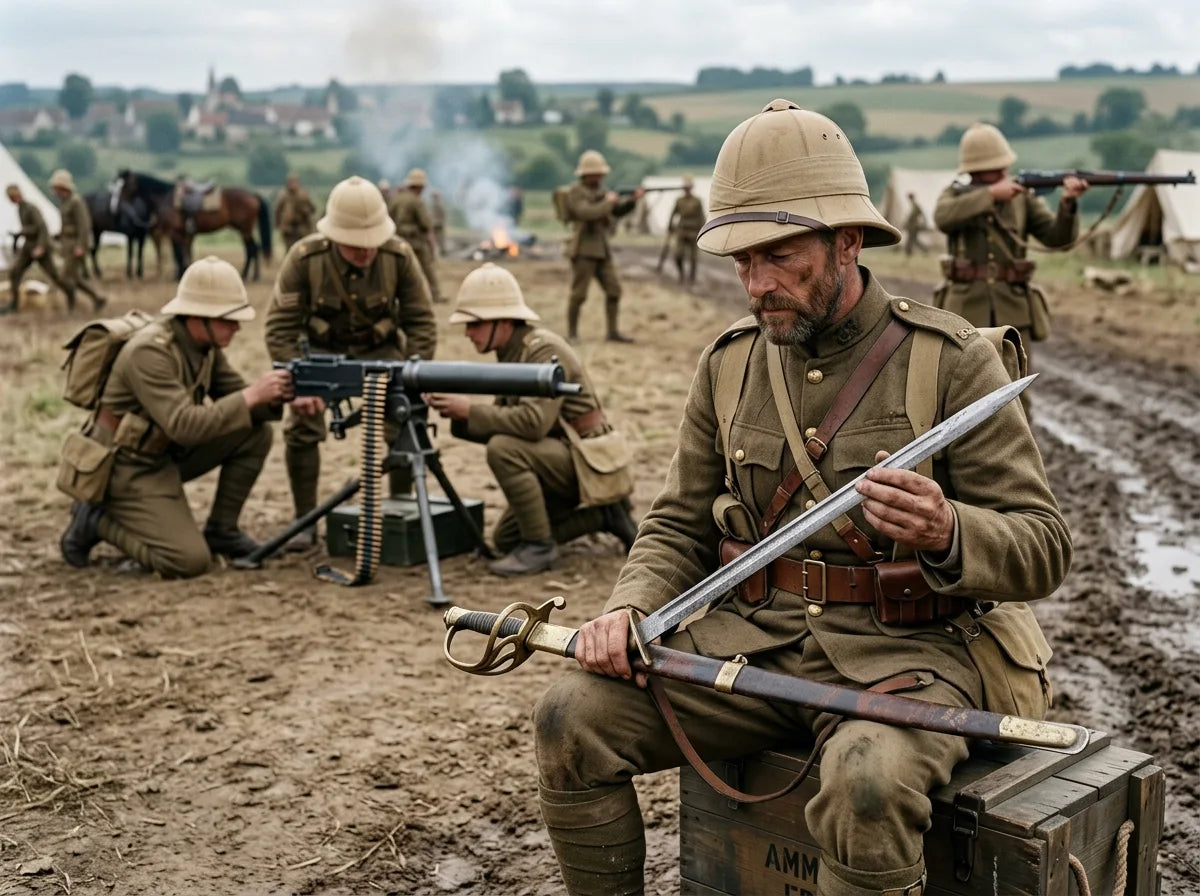
The practical end of the sword as a primary battlefield weapon came during the mid-to-late 19th century. Several major conflicts accelerated this shift dramatically.
The American Civil War (1861-1865)
The Civil War is often cited as a turning point. Cavalry units on both Union and Confederate sides still carried sabers at the war’s start. However, by the mid-war period, most cavalry soldiers preferred repeating carbines and revolvers over edged weapons. The saber became secondary, used mainly in mounted charges that became increasingly rare as rifle accuracy improved.
Infantry officers carried swords throughout the war, but many stopped drawing them in combat. The sword became more of a command tool, used to signal troops, than an actual fighting weapon.
The Crimean War and European Conflicts
European armies faced similar realities. The Crimean War (1853-1856) demonstrated that rifle firepower could devastate cavalry charges. The famous Charge of the Light Brigade showed the catastrophic cost of traditional cavalry tactics against modern firepower. Swords were still present, but their battlefield effectiveness was clearly declining.
World War I: The Final Nail
By the time World War I began in 1914, swords were still issued to cavalry units in most major armies. British, French, German, and Russian cavalry all entered the war with sabers. But trench warfare, machine guns, and artillery made mounted sword combat nearly impossible.
Some cavalry engagements did occur early in the war, and swords were occasionally used. However, most cavalry units were dismounted and used as infantry or support troops within the first two years. The British Army officially issued the Pattern 1908 cavalry sword, which was designed for thrusting rather than slashing – an acknowledgment that even sword designers knew mounted combat was changing.
By 1916-1917, swords had effectively disappeared from active combat use in most Western Front operations. The practical end of the military sword in combat can be placed around 1915-1918 for most major armies.
🌍 Different Armies, Different Timelines
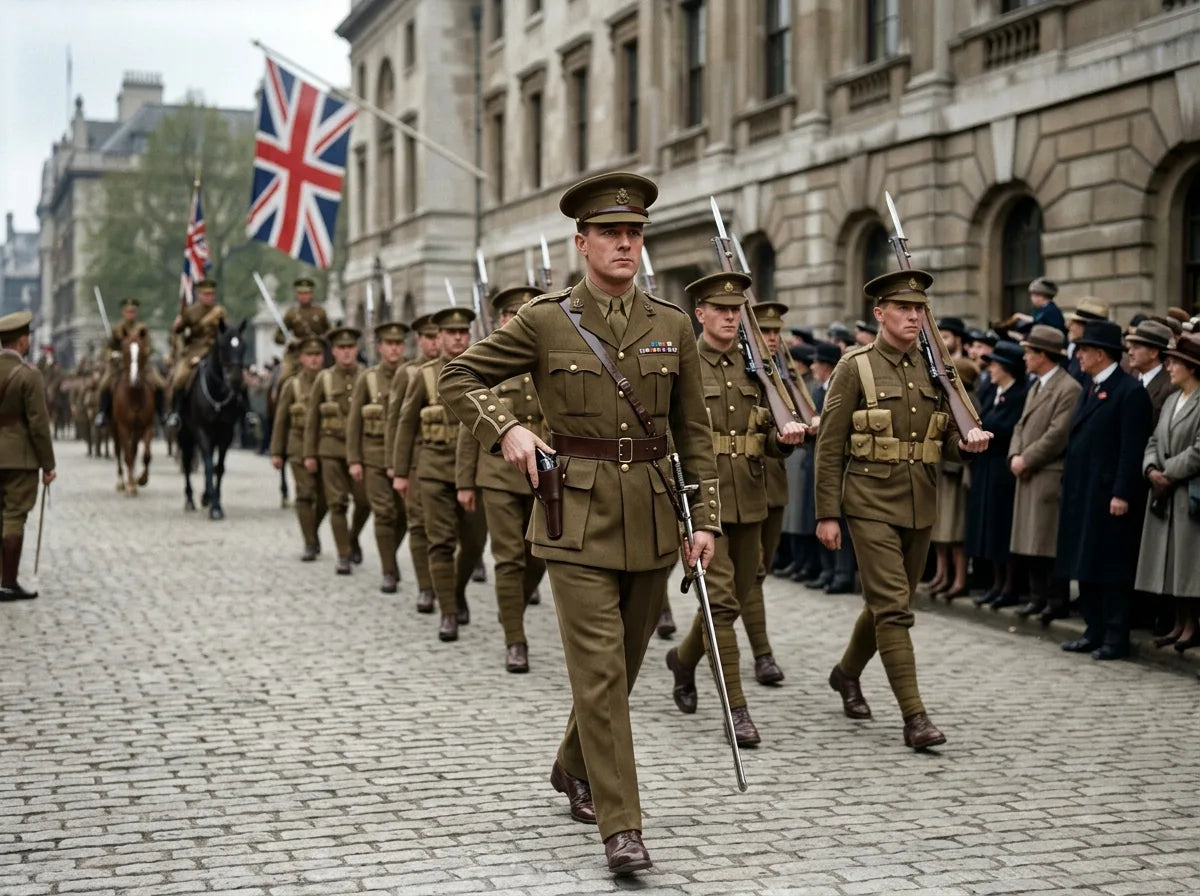
The answer to when militaries stopped using swords isn’t universal. Timelines varied significantly by country and theater of war.
| Army / Region | Approximate End of Combat Use | Context |
|---|---|---|
| British Army | ⚔️ ~1915-1918 | WWI trench warfare ended cavalry sword use |
| U.S. Army | ⚔️ ~1934 | Officially removed from cavalry regulations |
| Japanese Army | ⚔️ ~1945 | Officers carried katana through WWII |
| German Army | ⚔️ ~1916-1918 | Phased out during WWI |
| Colonial Armies (various) | ⚔️ Late 1800s – early 1900s | Varied by region and conflict |
🇺🇸 When Did the U.S. Military Stop Using Swords?
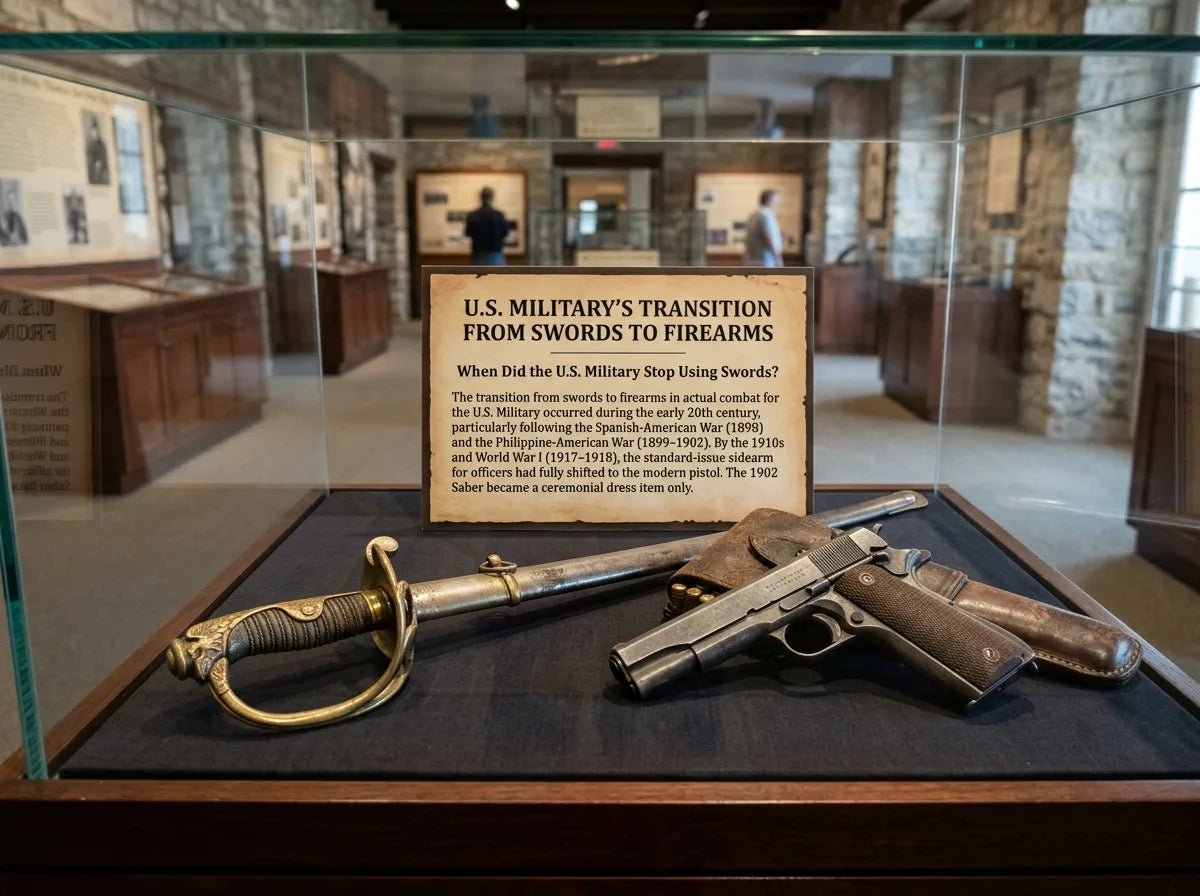
For American forces specifically, the timeline is fairly well documented. The U.S. Army issued the Model 1913 Cavalry Saber, designed by George S. Patton (then a young officer), which was meant to be a thrusting weapon for mounted combat. It was a modern design, but it arrived just as cavalry sword combat was becoming obsolete.
The U.S. Army officially removed the saber from cavalry regulations in 1934. This is often cited as the formal end of the sword as a standard U.S. military weapon. By that point, mechanized vehicles were replacing horse cavalry, and there was simply no tactical role for an edged weapon in modern warfare.
It’s worth noting that during the Philippine-American War and other early 20th-century conflicts, machetes and bolo knives were used in jungle combat, showing that edged weapons had some practical value in specific environments even after swords faded. This connects to the broader history of how military tactics adapted to terrain and technology simultaneously.
Understanding military transitions like this one adds context to other historical shifts, such as what the military districts during Reconstruction reveal about how armed forces reorganized after major conflicts – another example of military institutions adapting to new political and social realities.
🗡️ Japan’s Unique Case: Swords Into World War II
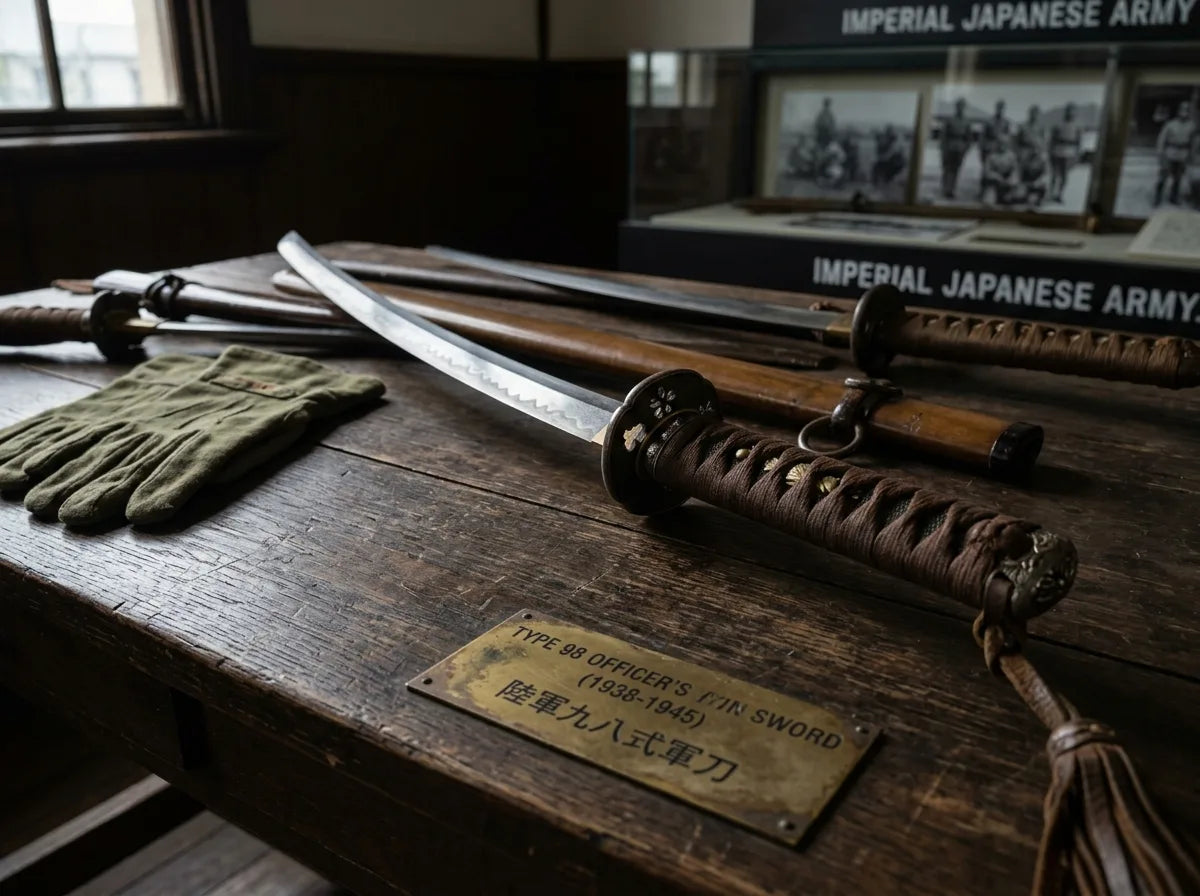
Japan stands out as a notable exception. Japanese officers carried katana swords throughout World War II, making Japan one of the last major military powers to use swords in active combat. This wasn’t purely ceremonial – officers used katana in close-quarters situations, particularly in the Pacific theater.
The katana carried deep cultural and symbolic weight in Japanese military culture. The Gunto (military sword) was a standard officer’s sidearm throughout the war. Some were traditionally crafted blades, while others were mass-produced military versions. Either way, they saw real combat use through 1945.
This makes Japan’s military the last major army to use swords as genuine combat weapons, with the practice ending only at Japan’s surrender in August 1945.
- Japanese officers were required to carry swords as part of their uniform
- The katana symbolized the Bushido code and warrior tradition
- Mass-produced Gunto swords were issued to officers who couldn’t afford traditional blades
- After Japan’s surrender, Allied forces required the collection and destruction of many military swords
- Some high-quality blades were preserved as historical artifacts or returned to families
🎖️ Ceremonial Use: Swords That Never Disappeared
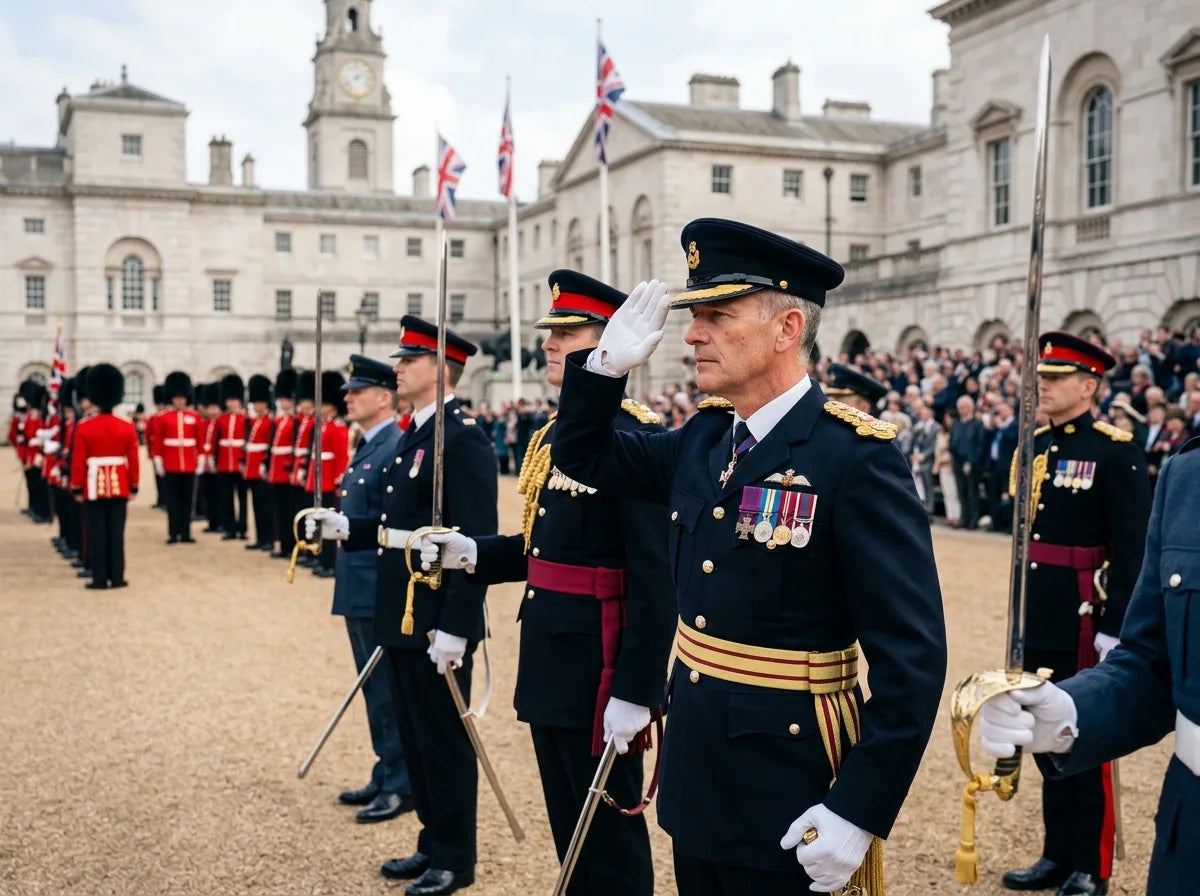
While combat use ended, ceremonial and dress swords remain a fixture in modern militaries worldwide. This is an important distinction. The military didn’t entirely “stop using” swords, it stopped using them to fight.
Modern Military Sword Traditions
Today, swords appear in military contexts across many nations:
- Officer dress uniforms – Many armies require officers to wear swords with formal dress uniforms
- Military parades and ceremonies – Sword drills and formations remain standard in ceremonial units
- Graduation ceremonies – Military academies often use swords in commissioning ceremonies
- Honor guards – Units like the U.S. Army’s Old Guard maintain sword traditions
- Royal and state ceremonies – British Household Cavalry and similar units carry swords for royal events
The U.S. Marine Corps is particularly well known for its sword traditions. Marine officers carry the Mameluke sword, a design dating to 1825, while NCOs carry the NCO sword based on the Model 1859 Army foot sword. These are not just decorative – Marines train in sword manual drills as part of their ceremonial duties.
The British Military’s Sword Traditions
The British Army has some of the most visible sword traditions in the world. The Household Cavalry carries drawn swords during state occasions, and officers in many regiments wear swords with mess dress. The sword remains a symbol of commissioned rank in British military culture, even if it hasn’t been drawn in anger for over a century.
These ceremonial traditions connect military history to national identity, similar to how other historical roles, like who was the last president to serve in the military, reflect how military service shapes leadership and national values over time.
📅 Summary: The Key Dates in Military Sword History
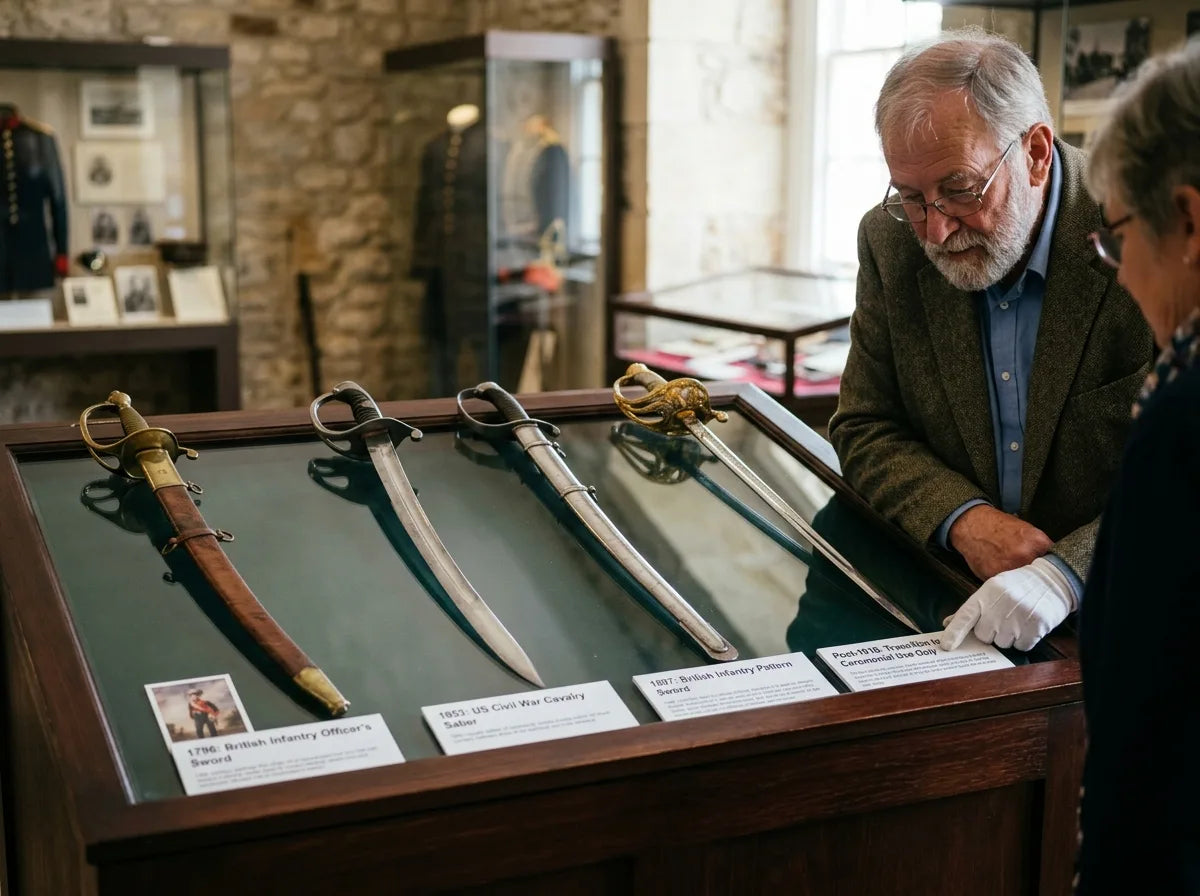
To directly answer the question – there is no single year when all militaries stopped using swords. But here are the most significant milestones:
- 1861-1865 – American Civil War: swords became secondary to firearms for most cavalry
- 1914-1918 – World War I: most Western armies effectively ended sword combat use
- 1934 – U.S. Army officially removed the saber from cavalry regulations
- 1945 – Japan’s surrender ended the last major military use of swords in combat
- Present day – Swords continue in ceremonial roles across dozens of militaries
The practical end of swords in combat for most armies falls between 1915 and 1934, with Japan as the notable outlier extending to 1945. The ceremonial sword, however, never went away and shows no signs of disappearing anytime soon.
Final Thoughts
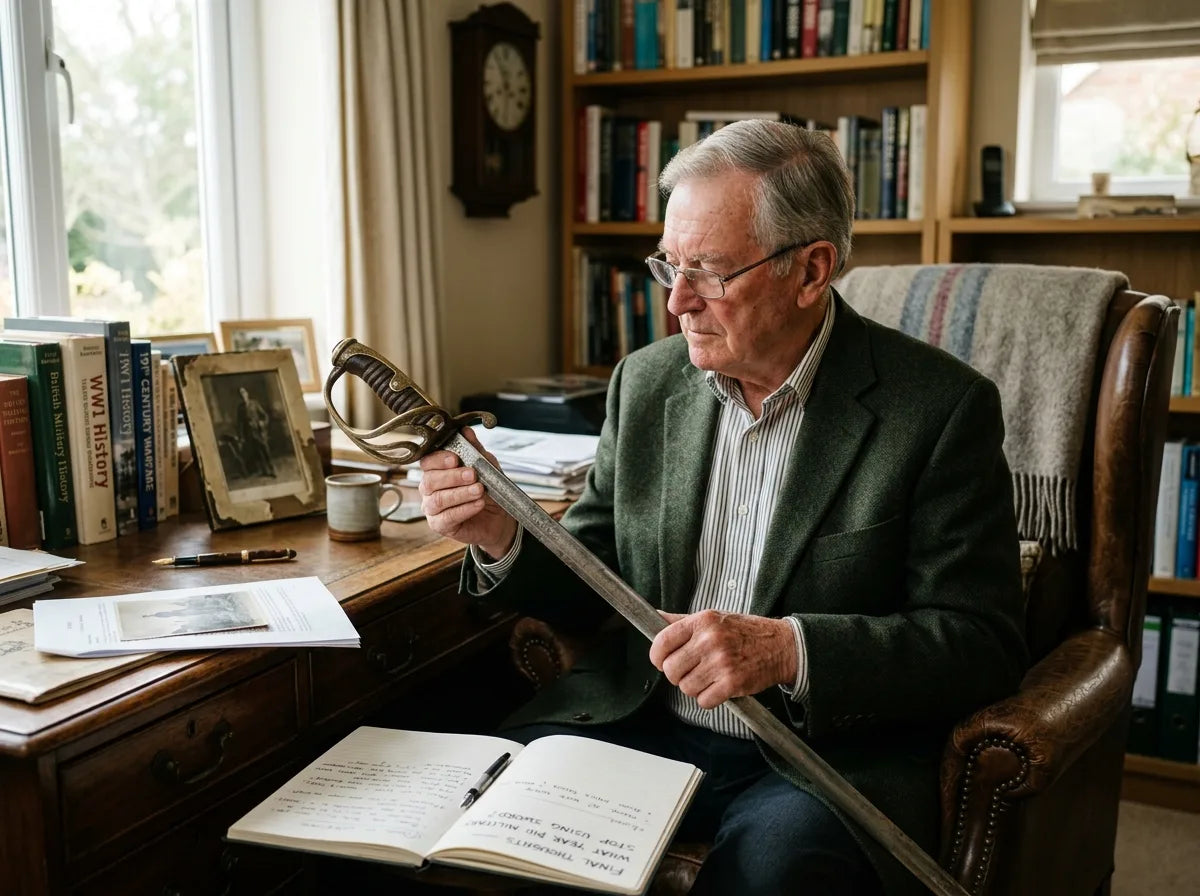
The military sword didn’t vanish in a single moment. It faded gradually as firearms became more reliable, accurate, and fast-firing. Most armies effectively ended sword combat during World War I, with the U.S. formally retiring cavalry sabers in 1934 and Japan carrying swords into World War II. Today, the sword lives on in ceremony and tradition, a reminder of the warrior cultures that shaped modern military institutions. The blade may no longer cut through battle, but its symbolic power remains sharp.