
How Long Do You Have to Be in the Military
Thinking about joining the military but unsure about the time commitment? It’s one of the first questions recruits ask, and the answer depends on your branch, role, and contract type. Here’s a clear breakdown of minimum service requirements, enlistment options, and what to expect before you sign.
⏱️ Minimum Military Service Requirements by Branch
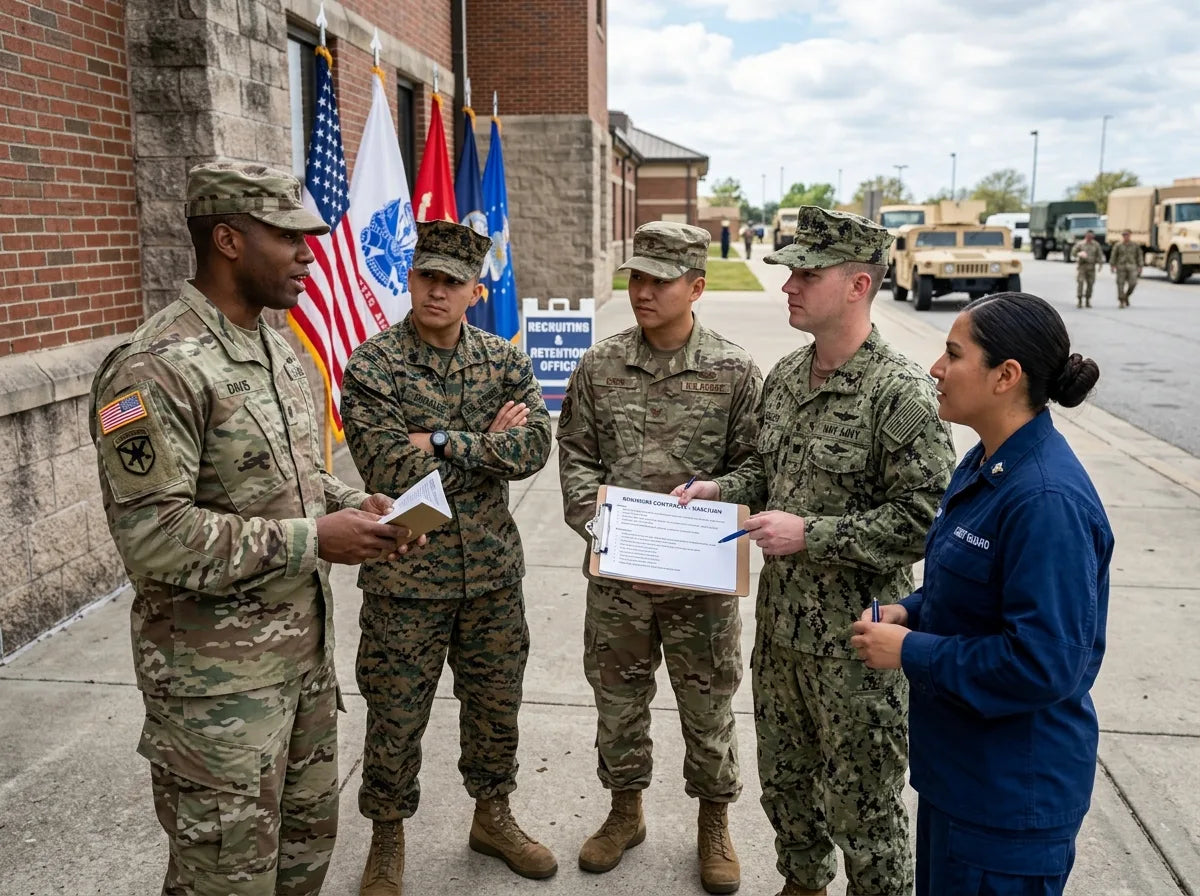
The U.S. military does not have a single universal service length. Each branch sets its own baseline, and the type of contract you sign determines how long you’ll serve on active duty. That said, most first-time enlistments run between two and six years of active duty service.
Here’s a branch-by-branch comparison of standard minimum enlistment periods:
| 🪖 Branch | Minimum Active Duty | Standard Enlistment |
|---|---|---|
| Army | 2 years | 3-4 years |
| Navy | 4 years | 4-6 years |
| Air Force | 4 years | 4-6 years |
| Marine Corps | 4 years | 4-5 years |
| Coast Guard | 4 years | 4-6 years |
| Space Force | 4 years | 4-6 years |
The Army is the only branch currently offering a two-year active duty option, though it comes with conditions. Most two-year contracts require the recruit to serve additional time in the Army Reserve. The total eight-year military service obligation still applies across all branches.
🎯 Understanding the 8-Year Military Service Obligation
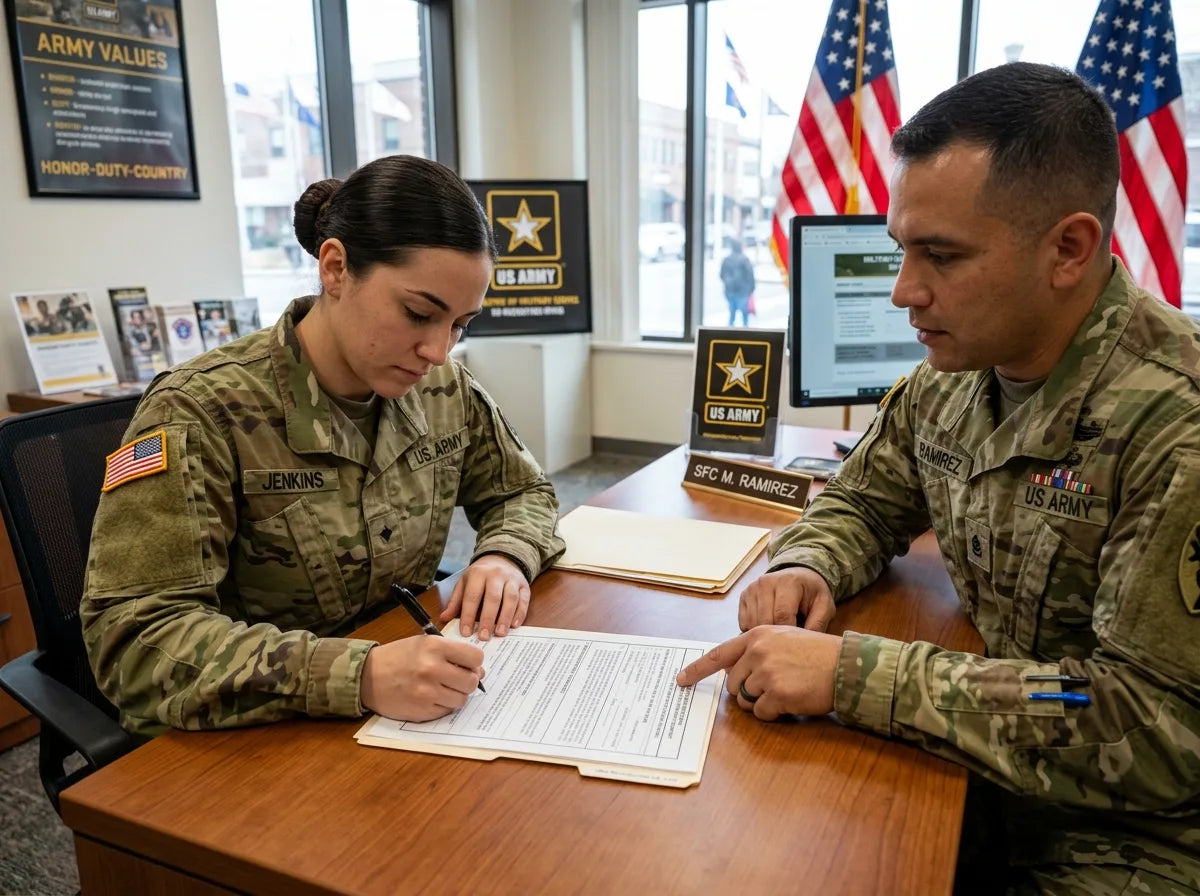
Here’s something many recruits don’t realize: regardless of how long your active duty contract is, every service member incurs an eight-year total military service obligation (MSO) by federal law. This is set by 10 U.S. Code § 651.
If you sign a four-year active duty contract, the remaining four years are typically served in the Individual Ready Reserve (IRR). IRR members are not paid or required to drill, but they can be recalled to active duty in a national emergency. This is an important distinction that many new recruits overlook when comparing enlistment lengths.
What Counts Toward Your Service Obligation?
- Active duty time served (including Basic Training and AIT/MOS school)
- Selected Reserve or National Guard service
- Individual Ready Reserve (IRR) time
- Time in delayed entry programs (DEP) in some cases
- Officer commissioning programs with service requirements attached
📋 Enlisted vs. Officer: How Service Length Differs
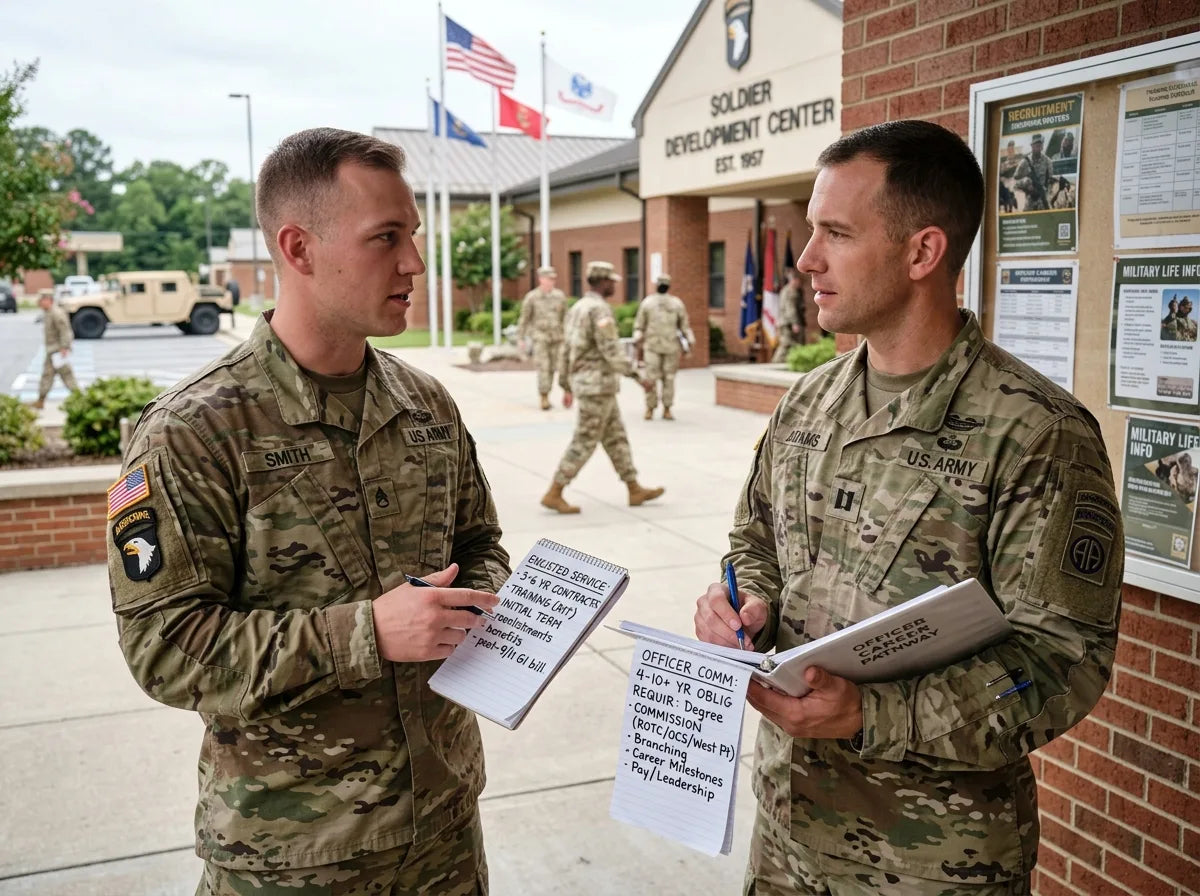
Enlisted members and commissioned officers have different service commitments. Enlisted recruits generally sign contracts ranging from two to six years of active duty. Officers, on the other hand, typically commit to longer initial service periods due to the training investment the military makes in them.
Officer Minimum Service Requirements
Officers commissioned through programs like ROTC, Officer Candidate School (OCS), or the service academies usually owe a minimum of four to five years of active duty after commissioning. Pilots and other specialty officers often commit to longer terms, sometimes eight to ten years, because of the cost of their training.
Academy graduates (West Point, Naval Academy, Air Force Academy) typically owe five years of active duty service after graduation. This is non-negotiable and part of accepting a federally funded education.
Reserve and National Guard Commitments
Joining the National Guard or Reserve is a different path. These part-time service options typically require a six-year initial commitment, with one weekend per month and two weeks of annual training. Reserve members can be deployed, and their service counts toward the eight-year MSO just like active duty time.
⚠️ Factors That Can Extend Your Service Time

Your enlistment contract is not always the final word on how long you serve. Several factors can extend your time in uniform beyond what you originally signed for.
- Stop-Loss orders: During periods of high operational demand, the military can prevent service members from separating even after their contract ends.
- Deployment extensions: Active deployments can push your separation date back, sometimes by months.
- Reenlistment bonuses: Accepting a bonus often locks you into additional years of service.
- Medical holds: If you’re injured, you may be held on active duty until medically cleared or processed for discharge.
- Specialty training obligations: Certain MOS or rating schools require additional service commitments after completion.
It’s worth noting that historically, some of the most decorated military leaders served far beyond their initial commitments. If you’re curious about how military service has shaped national leadership, it’s interesting to look at who was the last president to serve in the military and how their service backgrounds influenced their decisions.
💰 How Long Do You Need to Serve to Get Military Benefits?

Service length directly affects the benefits you’re entitled to. Not all veterans receive the same level of support, and eligibility often depends on how long and under what conditions you served.
VA Benefits and Minimum Service Requirements
To qualify for most VA benefits, including healthcare and disability compensation, you generally need to have served a minimum of 24 continuous months of active duty, or the full period for which you were called to active duty. Exceptions exist for service-connected injuries or disabilities that occur during any period of service.
Military Retirement: The 20-Year Benchmark
The most significant milestone in military service length is the 20-year mark. Serving 20 years qualifies you for a military pension, which pays a percentage of your base pay for life starting at retirement. Under the legacy High-3 retirement system, that’s typically 50% of your average base pay over your final three years.
The Blended Retirement System (BRS), which applies to those who joined after a certain cutoff date, offers a smaller pension combined with government contributions to a Thrift Savings Plan (TSP). Either way, reaching 20 years is the threshold for retirement pay.
Other Benefits Tied to Service Length
| ✅ Benefit | Minimum Service Required |
|---|---|
| Post-9/11 GI Bill (full) | 36+ months active duty |
| VA Home Loan | 90 days wartime / 181 days peacetime |
| TRICARE (retiree) | 20 years service |
| Military Pension | 20 years service |
| Basic VA Healthcare | 24 months continuous service |
🎖️ Early Separation: Can You Leave Before Your Contract Ends?
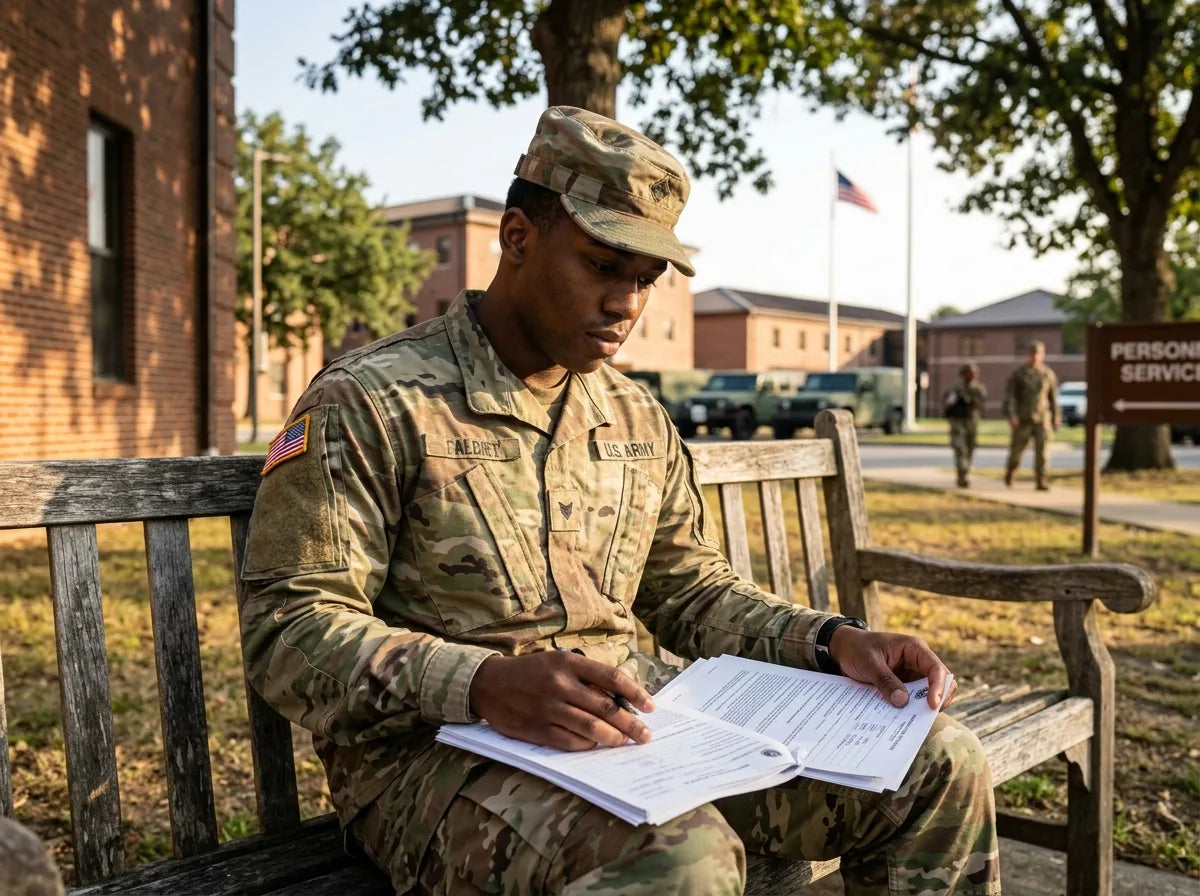
Breaking a military contract is not like quitting a civilian job. You cannot simply resign. However, there are legitimate pathways to early separation under specific circumstances.
Approved reasons for early discharge include hardship or dependency, medical disqualification, conscientious objector status, entry-level separation (usually within the first 180 days), and reduction-in-force programs during drawdown periods. Each case is reviewed individually, and approval is not guaranteed.
Going AWOL (Absent Without Leave) is never a legal solution and results in serious criminal and civil consequences, including court martial and a dishonorable discharge, which strips veterans of most benefits permanently.
Early Separation for Education or Special Programs
Some service members qualify for early release to attend college, particularly through programs like “Early Out” or Voluntary Separation Incentive (VSI) during force reduction periods. These are branch-specific and not always available. Ask your career counselor or retention NCO about current options.
Once you separate, transitioning back to civilian life involves managing a lot of logistics, including staying connected with your unit and accessing digital resources. Knowing how to access military email after separation can be critical for managing benefits paperwork, medical records, and transition communications.
✅ Quick Tips for Choosing the Right Enlistment Length

- Shorter contracts (2-3 years) give flexibility but may limit specialty training options
- Longer contracts often come with enlistment bonuses and better job training opportunities
- If you’re targeting a specific MOS or rating, ask what the service obligation is for that school
- Consider the Reserve or Guard if you want part-time service with civilian career flexibility
- Talk to a recruiter from multiple branches before committing, requirements and incentives vary
Final Thoughts

Military service length is not one-size-fits-all. Most enlisted members serve between two and six years of active duty, with the total eight-year obligation filled through reserve time. Officers typically commit to four or more years. Benefits like the GI Bill, VA healthcare, and retirement pay all scale with how long you serve. The right contract length depends on your goals, career plans, and personal circumstances. Do your research, ask hard questions, and read every line before you sign.