
Is a Military ID a Real ID
Confused about whether your military ID counts as a REAL ID? You’re not alone. With federal identification requirements tightening at airports and government buildings, service members and veterans need clear answers. Here’s exactly what you need to know about military IDs, REAL ID compliance, and what works where.
🪖 What Is a Military ID, Exactly?
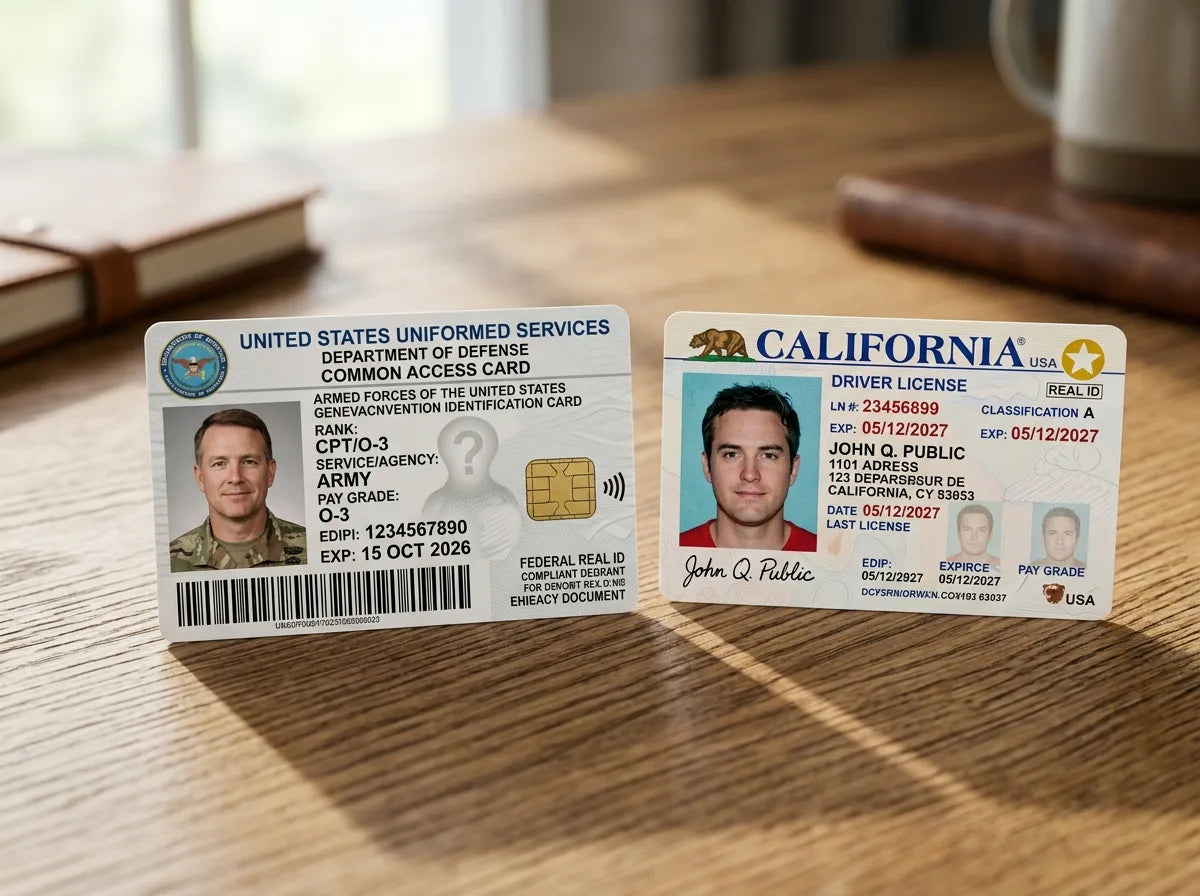
A military ID is a federally issued identification card given to active duty service members, reservists, National Guard members, retirees, and eligible dependents. The most common form is the Common Access Card (CAC), used by active duty personnel, and the Uniformed Services ID Card, used by retirees and dependents.
These cards are issued by the Department of Defense (DoD) and carry a high level of security. They include biometric data, digital certificates, and embedded chips, making them among the most secure forms of ID issued by the U.S. government.
Types of Military ID Cards
- Common Access Card (CAC) – issued to active duty, Selected Reserve, and DoD civilian employees
- DD Form 1173 – issued to dependents of active duty and retired members
- DD Form 2 (Retired) – issued to retired uniformed service members
- DD Form 2 (Reserve) – issued to drilling reservists
- VHIC (Veteran Health Identification Card) – issued by the VA for healthcare purposes
Each card serves a specific purpose and population. Not all of them carry the same legal weight when it comes to federal identification requirements outside of military contexts.
✅ Is a Military ID Considered a REAL ID?
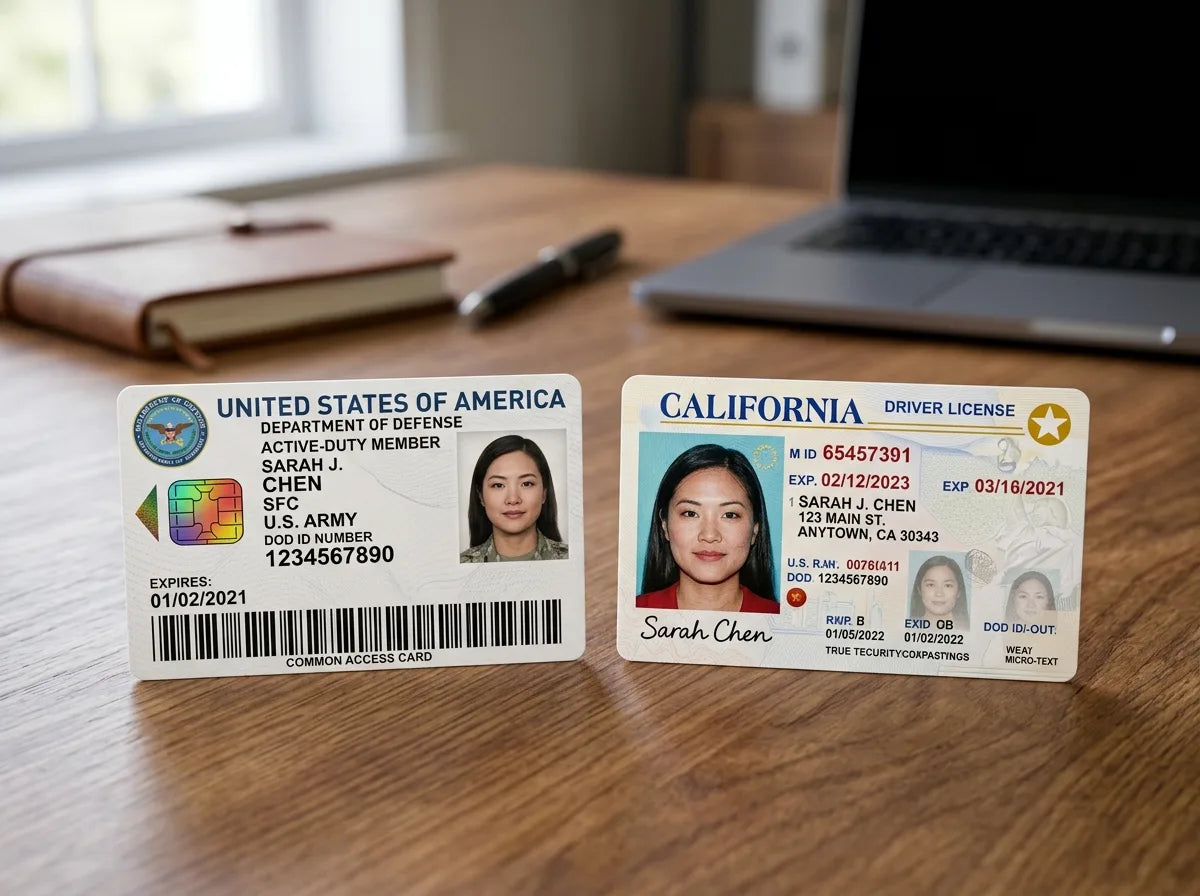
Here is the direct answer: a military ID is not a REAL ID in the traditional sense, but it is accepted in place of a REAL ID for most federal purposes. This distinction matters more than most people realize.
The REAL ID Act of 2005 established minimum security standards for state-issued driver’s licenses and identification cards. It was passed in response to the 9/11 Commission’s recommendations to improve identity verification across the country. The Act applies specifically to state-issued IDs, not federally issued ones.
Military IDs are issued by the federal government, which means they operate under a completely separate and higher-level security framework. They don’t need to comply with REAL ID standards because they already exceed them in many ways.
What the TSA and Federal Agencies Actually Accept
The Transportation Security Administration (TSA) maintains an official list of acceptable forms of identification at airport security checkpoints. Military IDs are explicitly listed as accepted documents, regardless of whether your state-issued driver’s license is REAL ID compliant.
This means a service member or military retiree can board a domestic flight using their military ID without needing a REAL ID-compliant driver’s license or passport. The same applies to accessing federal facilities and nuclear power plants, which also fall under REAL ID Act requirements.
🆚 Military ID vs. REAL ID: Key Differences
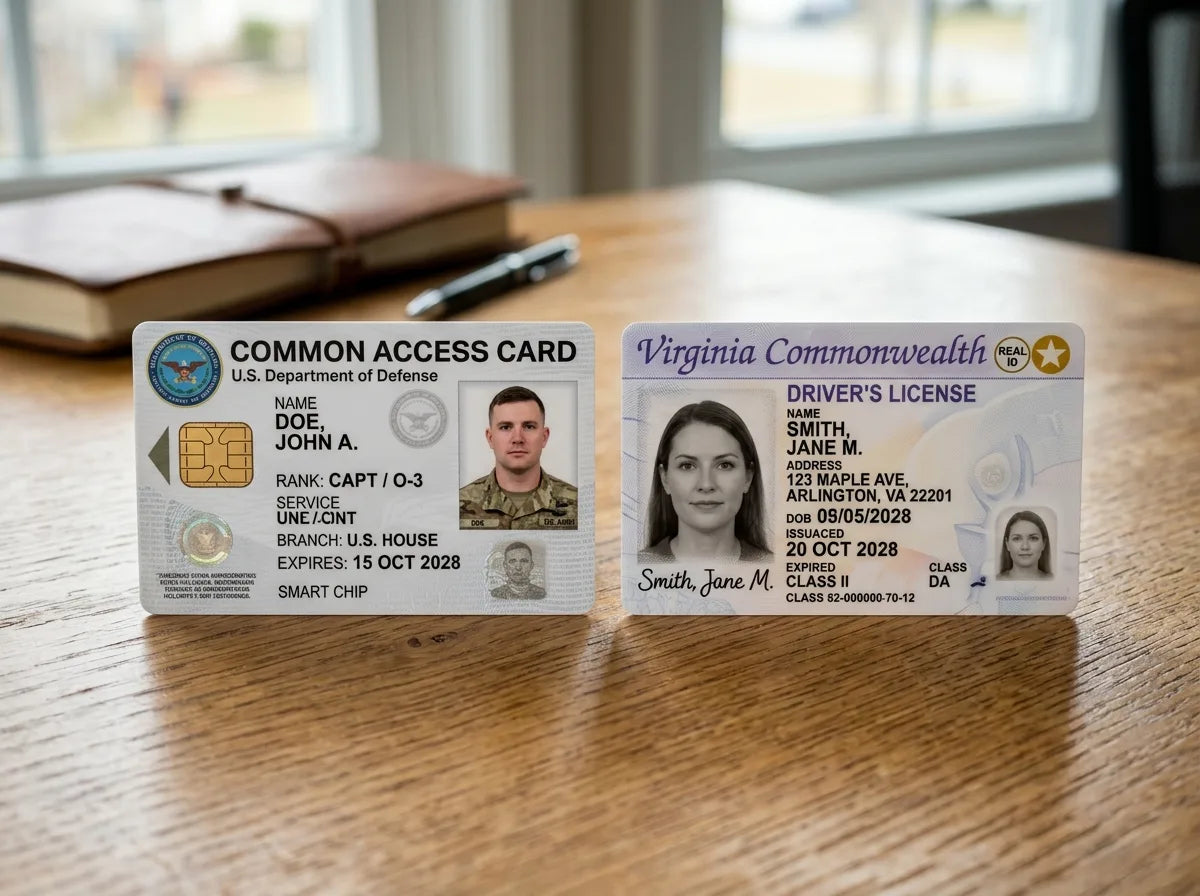
| Feature | Military ID | REAL ID (State-Issued) |
|---|---|---|
| Issuing Authority | Federal Government (DoD) | State Government (DMV) |
| TSA Accepted | ✅ Yes | ✅ Yes |
| Federal Facilities Access | ✅ Yes | ✅ Yes |
| Accepted for Civilian ID Purposes | ⚠️ Varies by context | ✅ Broadly accepted |
| Biometric/Chip Security | ✅ Advanced (CAC) | ⚠️ Varies by state |
| Who Can Get One | Military personnel + eligible dependents | Any qualifying U.S. resident |
| Used for International Travel | ❌ No (passport required) | ❌ No (passport required) |
The core takeaway is that both documents achieve the same federal access goals, but they come from fundamentally different systems. A military ID actually carries more institutional weight in many federal environments, while a REAL ID is more universally recognized in everyday civilian life.
🛫 Where Can You Use a Military ID Instead of a REAL ID?
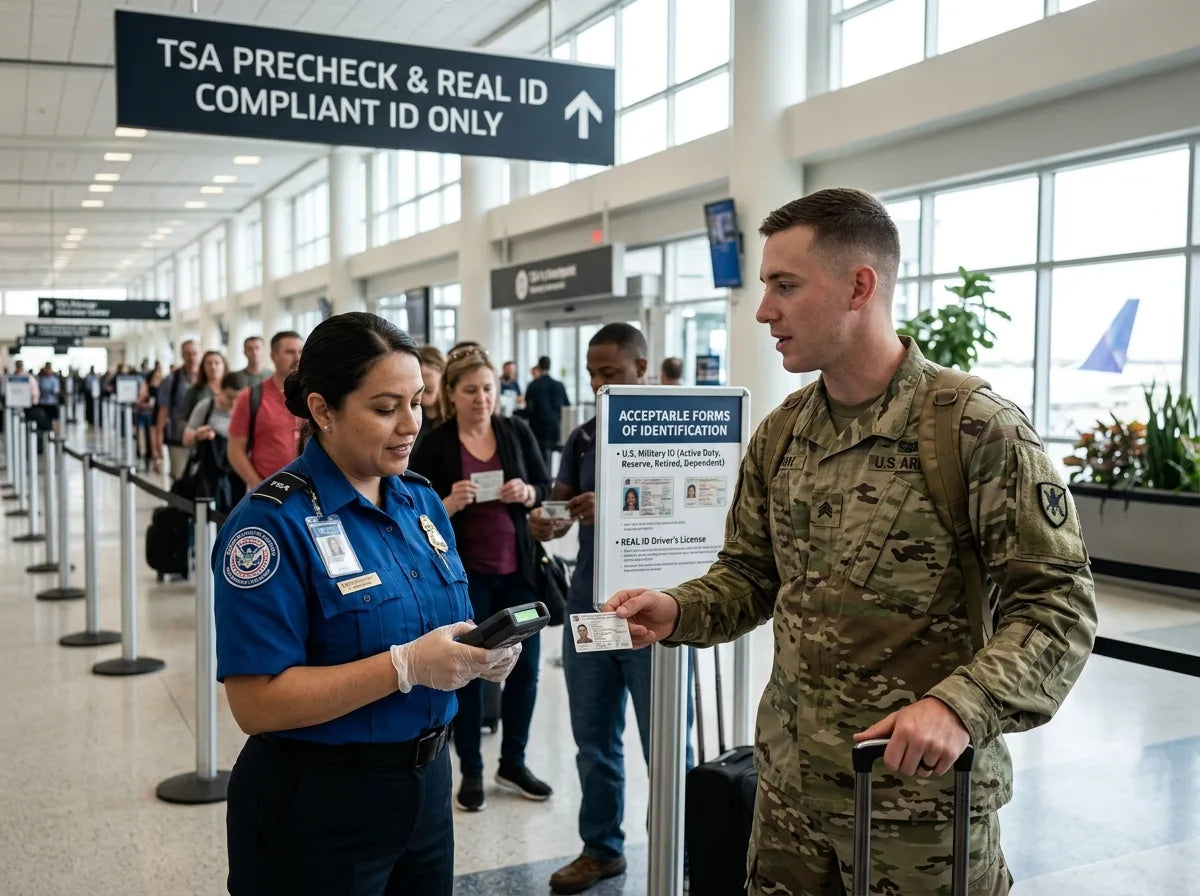
Understanding where a military ID is accepted as a substitute for REAL ID compliance saves time and avoids unnecessary headaches. The good news is that the list is substantial.
Accepted Uses for Military ID
- Domestic air travel – TSA accepts all valid military IDs at security checkpoints
- Federal building access – military IDs satisfy REAL ID Act requirements for entering federally controlled facilities
- Nuclear power plant access – covered under the same federal facility rules
- Military base access – the primary purpose of the card
- VA healthcare facilities – especially relevant for veterans using the VHIC
- Voting in some states – accepted as a valid photo ID in most states with voter ID laws
There are situations where a military ID may not be accepted, particularly in private or commercial settings. Some banks, retailers, or state agencies may not recognize a military ID as a standard form of identification simply due to unfamiliarity. In those cases, having a state-issued ID or driver’s license as a backup is practical.
⚠️ When a Military ID Is Not Enough
A military ID cannot replace a passport for international travel. Even active duty service members traveling internationally for personal reasons need a valid U.S. passport. There are limited exceptions for official military travel orders, but those are mission-specific and not applicable to leisure travel.
Additionally, if you’re transitioning out of service and your CAC expires, you’ll need to plan ahead. Understanding your rights and options during that period is important, and it’s worth knowing what changes when you leave, including how your identification status shifts. If you’ve ever wondered whether you can quit the military and what that process looks like, the transition period also involves updating your identification credentials.
🔄 Do Military Dependents Need a REAL ID?
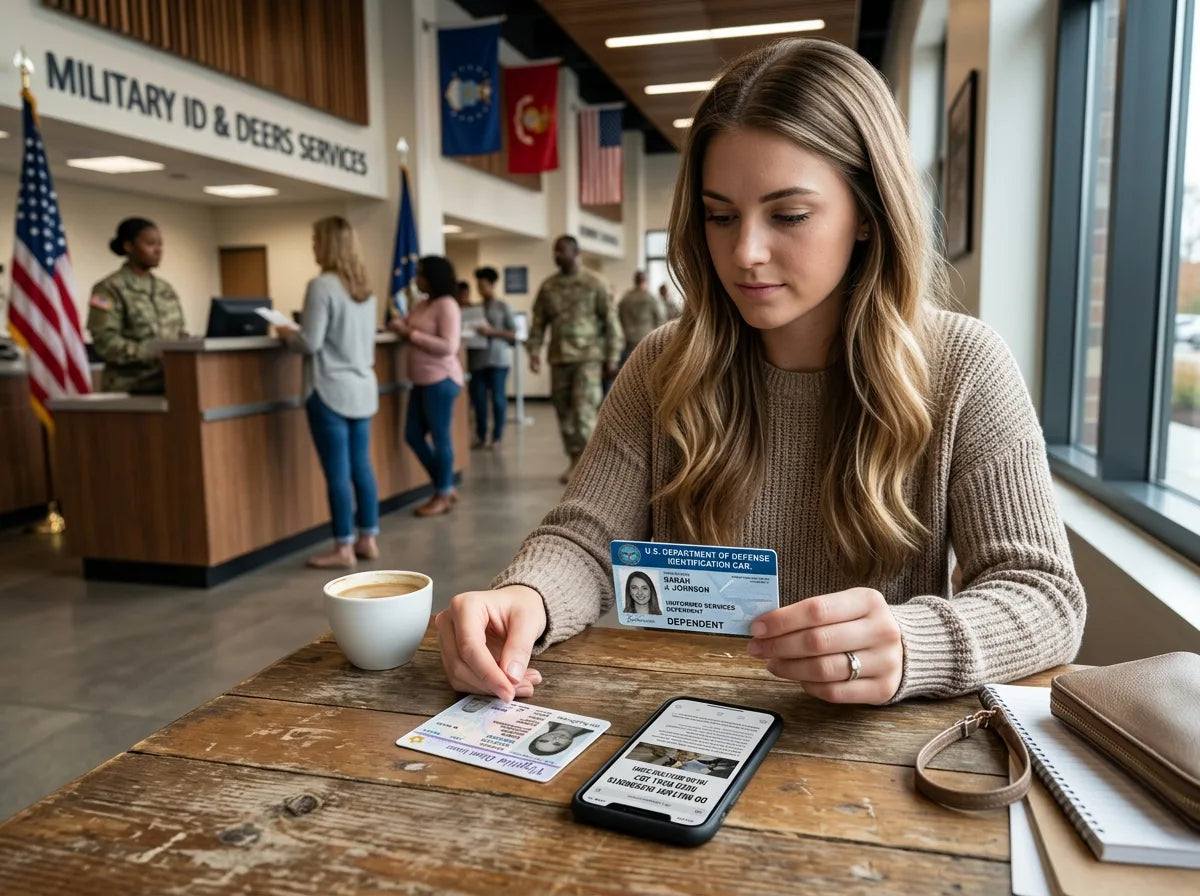
This is a question that affects hundreds of thousands of military families. Dependents who hold a DD Form 1173 ID card are in a similar position to active duty members: their federally issued card is accepted for the same purposes under the REAL ID Act.
However, military dependents who also have a state-issued driver’s license should ensure it is REAL ID compliant, especially as enforcement continues to tighten. The military ID provides a strong backup, but having both documents up to date is the safest approach.
Dependents who are not yet driving age or who don’t have a state ID should rely on their military dependent ID for federal access purposes. It’s a legitimate and recognized form of federal identification.
📋 Practical Tips for Military Members Navigating ID Requirements
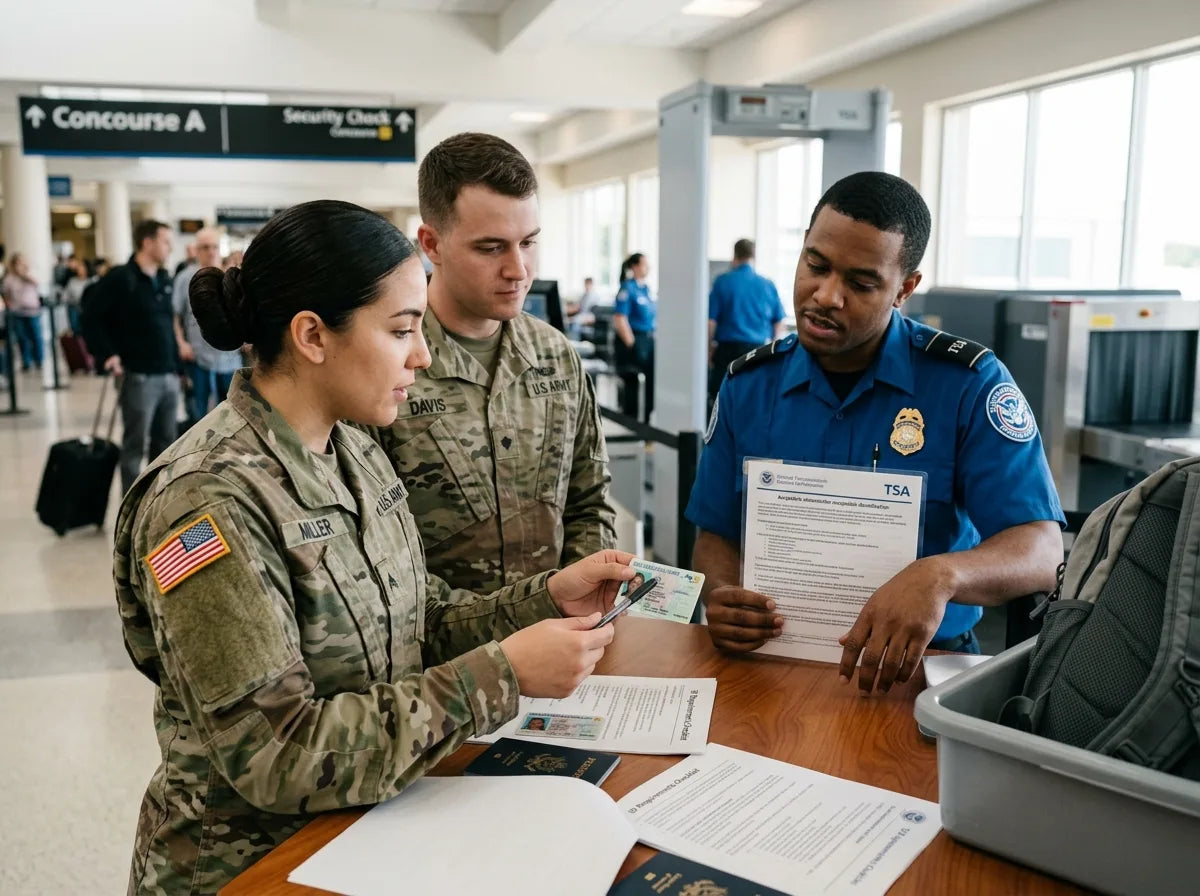
Knowing your rights around identification avoids unnecessary delays and confusion, especially when traveling or accessing services. Here are practical steps to stay prepared.
Keep Your Military ID Current
Expired military IDs are not accepted by the TSA or at federal facilities. The TSA does have a grace period policy for some expired IDs (up to one year past expiration for certain documents), but it’s always better to renew on time. CAC renewals are handled through your unit or a RAPIDS (Real-time Automated Personnel Identification System) enrollment station.
Know Your Backup Options
Even with a valid military ID, carrying a second form of identification is wise. A REAL ID-compliant driver’s license, a U.S. passport, or a passport card gives you flexibility in civilian settings where military IDs may not be immediately recognized.
Understand Dependent ID Expiration Rules
Dependent IDs have different expiration schedules depending on the category. Spouse IDs typically expire when the sponsor separates or retires, while child IDs expire at age 21 for full-time students and age 23 for others. Staying on top of these dates prevents gaps in identification coverage.
Military family life involves a unique set of administrative responsibilities that often go unrecognized by civilian employers and institutions. Related to that broader conversation, understanding whether employing military spouses is special for private employers sheds light on the recognition, or lack thereof, that military families receive in the civilian workforce.
✅ Final Thoughts on Military ID and REAL ID Compliance
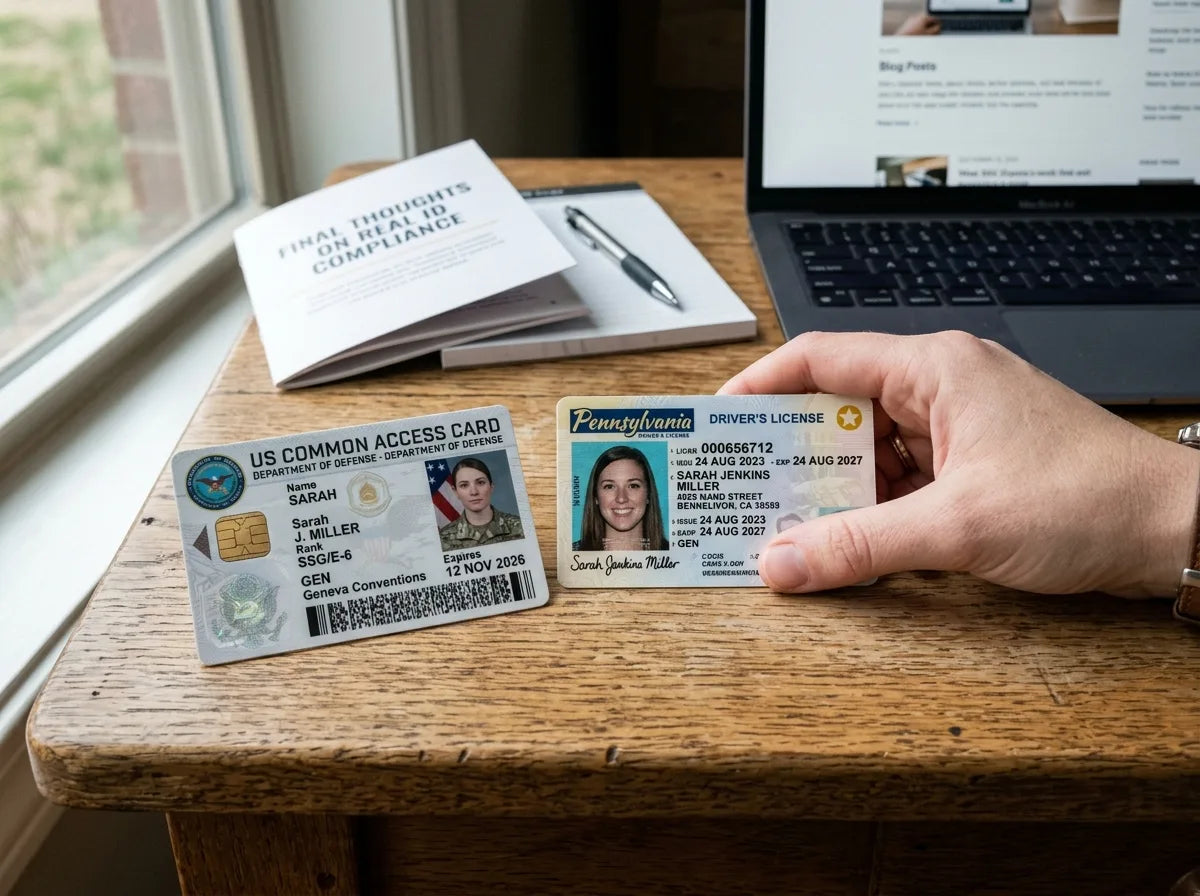
A military ID is not technically a REAL ID, but it functions as one for all practical federal purposes. The TSA accepts it, federal agencies recognize it, and it meets or exceeds the security standards the REAL ID Act was designed to enforce. Service members, retirees, and eligible dependents can confidently use their military ID for domestic air travel and federal facility access without needing a REAL ID-compliant state card.
That said, civilian life requires flexibility. Keeping a current state-issued ID alongside your military credentials ensures you’re covered in every situation, from boarding a flight to opening a bank account. Stay current, carry both when possible, and know your rights as a card holder.