
What Is the Most Elite Military Unit in the World
When people ask what is the most elite military unit in the world, they expect a single definitive answer. The truth is more complex, and more interesting. Elite units are built for different missions, different environments, and different threats. Here is an honest breakdown of the top contenders and what actually sets them apart.
🎯 How “Elite” Is Actually Defined
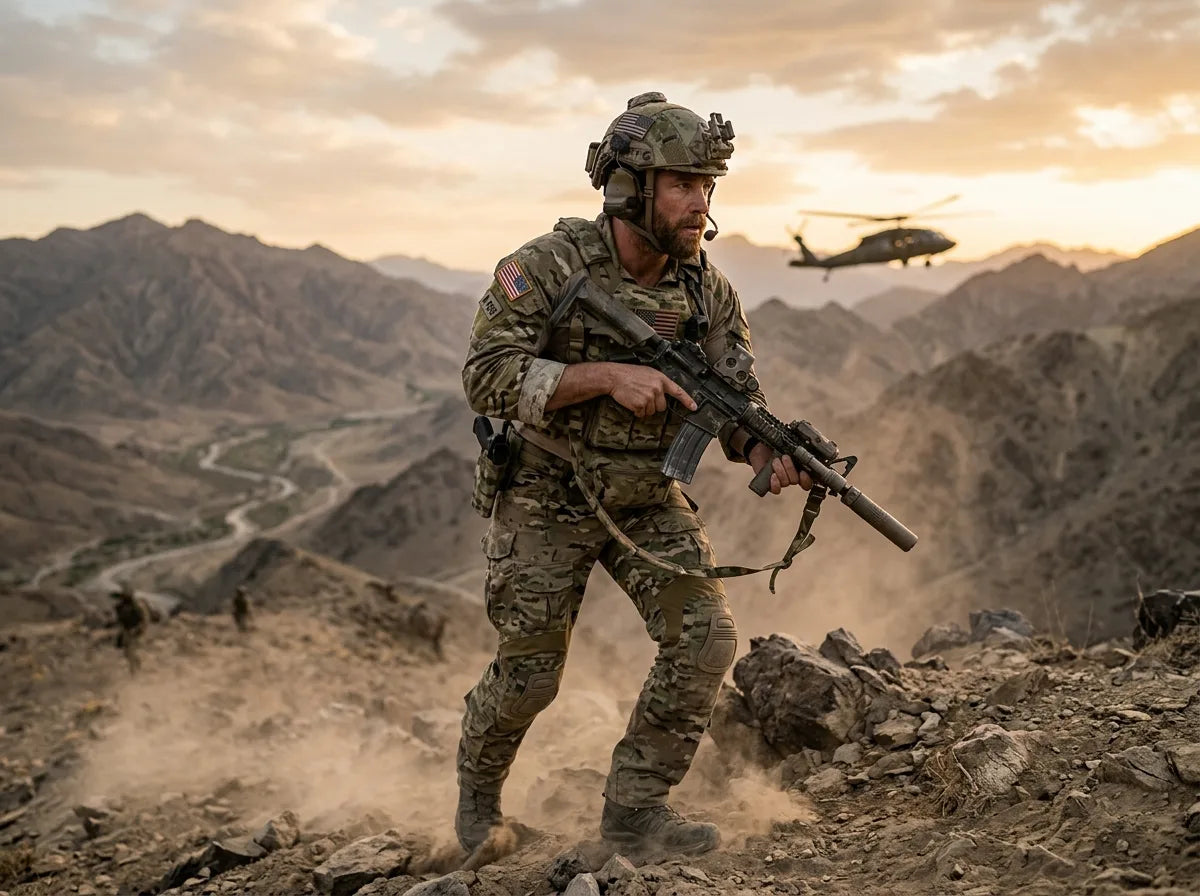
The word “elite” gets used loosely in military circles. To compare units fairly, you need consistent criteria. A unit that excels at hostage rescue may be poorly suited for deep reconnaissance, and vice versa. True elite status is measured across several dimensions, not just combat reputation or Hollywood portrayals.
Military analysts typically evaluate special operations forces using these benchmarks:
- Selection and attrition rates during training
- Operational scope (counterterrorism, direct action, intelligence gathering)
- Deployment history and documented mission success
- Interoperability with allied special forces
- Technological support and resource allocation
- Adaptability across different operational environments
No single unit dominates every category. But a handful consistently score at the top across most of them. These are the units that appear on every credible list of the world’s most elite special forces.
🏆 The Top Contenders for the Most Elite Military Unit
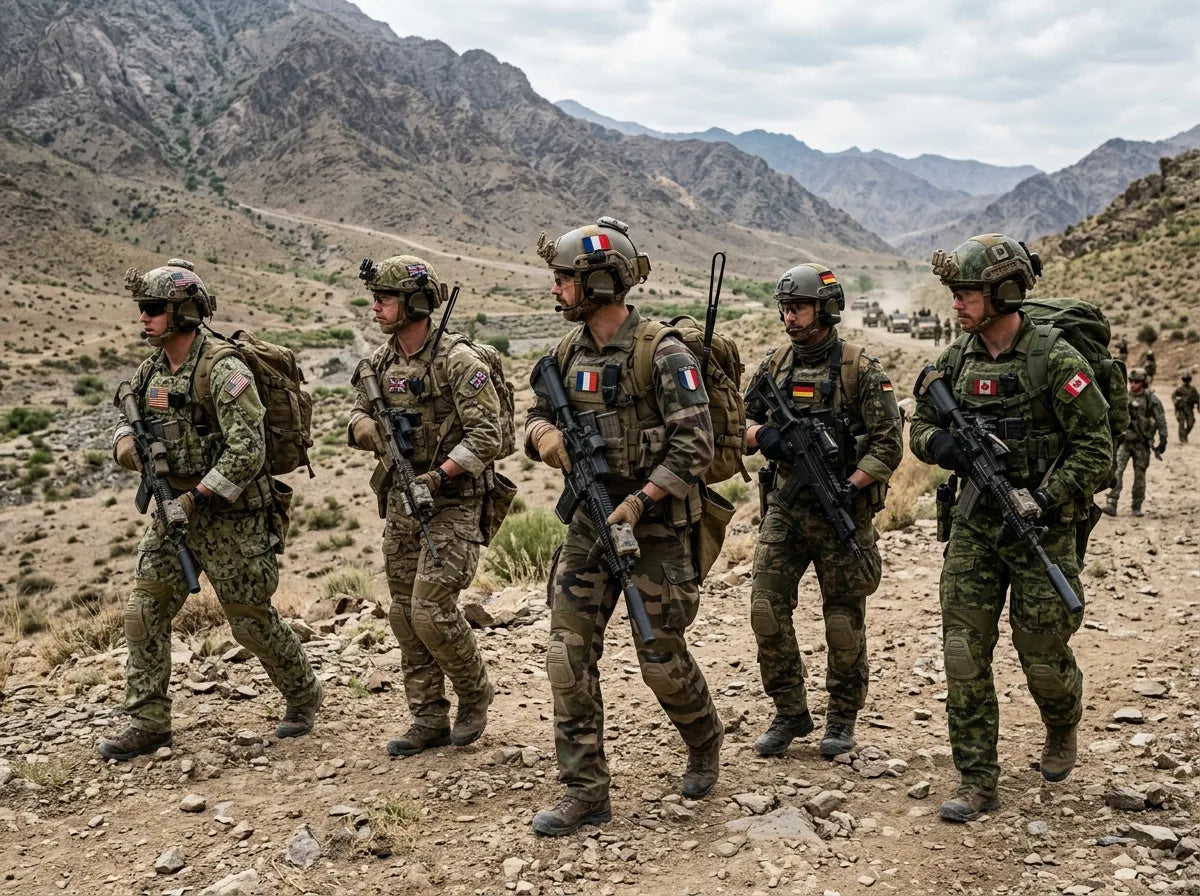
Delta Force – 1st SFOD-D (United States)
Delta Force, formally known as the 1st Special Forces Operational Detachment-Delta, is widely regarded as the premier direct-action and counterterrorism unit on the planet. Formed in 1977 and modeled partly on the British SAS, Delta operates under the Joint Special Operations Command (JSOC) and its missions are almost entirely classified.
Selection involves a grueling process with an attrition rate exceeding 90%. Candidates complete land navigation courses, psychological evaluations, and an interview board that few pass. Those who make it through are among the most capable soldiers in any military force worldwide.
Delta has been linked to operations in Iraq, Afghanistan, Somalia, Syria, and numerous other locations. Their role in Operation Gothic Serpent and the capture of high-value targets during the Global War on Terror has been partially declassified and documented by journalists and former operators.
SEAL Team 6 – DEVGRU (United States)
DEVGRU, the Naval Special Warfare Development Group (commonly called SEAL Team 6), is the naval counterpart to Delta Force and operates at the same tier within JSOC. While all Navy SEALs are elite, DEVGRU represents the top fraction of that community.
DEVGRU gained widespread public attention after Operation Neptune Spear, the mission that resulted in the death of Osama bin Laden in 2011. That operation demonstrated the unit’s capacity for precise, long-range, high-stakes direct action with minimal collateral damage.
The unit trains extensively in maritime operations, close-quarters battle, and hostage rescue. DEVGRU operators are also trained in advanced driving, HALO/HAHO parachuting, and combat diving, making them one of the most versatile tier-one special mission units in existence.
British SAS – 22nd Special Air Service (United Kingdom)
The 22nd Special Air Service Regiment is arguably the most influential special operations unit in history. Formed during World War II, the SAS essentially wrote the playbook that most modern special forces units still follow. Delta Force, Australia’s SASR, and several other elite units were directly modeled on SAS doctrine and selection processes.
SAS selection is conducted in the Brecon Beacons and includes a 40-mile endurance march called “the Fan Dance,” which has become legendary in military circles. The regiment operates in four squadrons and specializes in counterterrorism, surveillance, and direct action.
The SAS’s operational history spans decades and continents, from the Falklands conflict to Northern Ireland to Iraq and beyond. Their combination of institutional knowledge and operational tempo is difficult to match.
Russian Spetsnaz – Alpha Group (Russia)
Alpha Group, officially Directorate “A” of the FSB Special Purpose Center, is Russia’s primary counterterrorism and hostage rescue unit. Created in 1974 under the KGB, Alpha Group has been deployed in some of the most dangerous and politically sensitive operations in modern history.
Their methods differ significantly from Western units. Alpha Group is known for high-intensity, high-risk direct assault tactics. The 2002 Moscow theater hostage crisis and the 2004 Beslan school siege both involved Alpha Group and illustrated both the unit’s capabilities and the brutal calculus of Russian special operations doctrine.
Israeli Sayeret Matkal (Israel)
Sayeret Matkal is Israel’s top-tier special reconnaissance and counterterrorism unit, operating directly under the Israeli Defense Intelligence Directorate. Modeled on the SAS, it focuses on intelligence gathering behind enemy lines and hostage rescue.
The unit’s most famous operation was the 1976 Entebbe raid, in which Israeli commandos flew over 2,500 miles to Uganda and rescued 102 hostages in under 90 minutes. That operation remains one of the most studied special forces missions in military history and cemented Sayeret Matkal’s reputation as a world-class direct-action unit.
📊 Elite Military Units Compared
| Unit | Country | Primary Role | Known For |
|---|---|---|---|
| Delta Force | 🇺🇸 USA | Direct action, CT | 90%+ attrition rate |
| DEVGRU | 🇺🇸 USA | Maritime CT, direct action | Bin Laden operation |
| 22 SAS | 🇬🇧 UK | Recon, CT, DA | Founding modern SF doctrine |
| Alpha Group | 🇷🇺 Russia | Hostage rescue, CT | High-risk assault tactics |
| Sayeret Matkal | 🇮🇱 Israel | Recon, hostage rescue | Entebbe raid |
⚠️ Why This Question Has No Single Answer
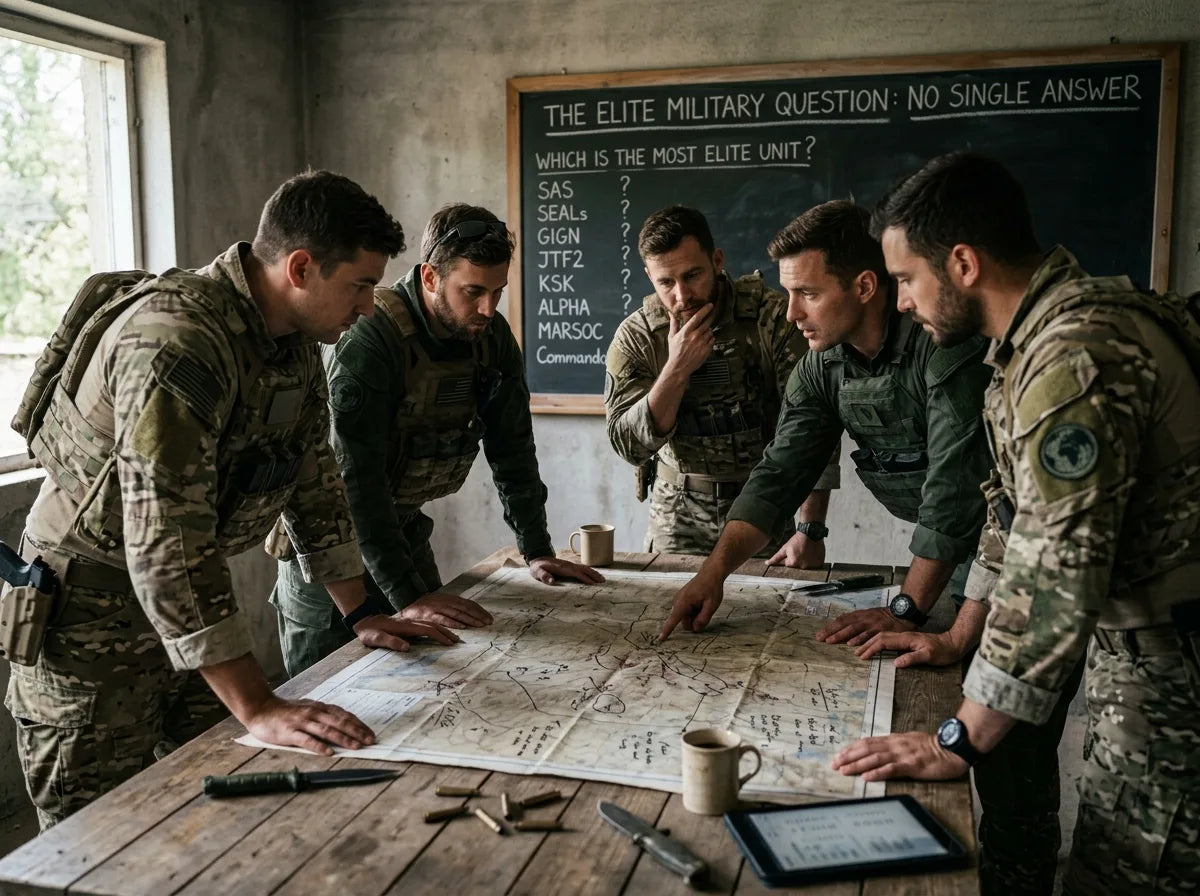
Understanding what makes a military unit truly elite requires looking beyond rankings and reputation. Mission type matters enormously. Delta Force and DEVGRU are optimized for short-duration, high-intensity strikes. The SAS has decades of experience in long-term covert surveillance. Sayeret Matkal operates in a specific geopolitical context that shapes its training and doctrine.
Resource availability also plays a role. American tier-one units benefit from nearly unlimited budgets, access to the most advanced equipment on earth, and a vast intelligence apparatus. A unit like the Polish GROM or Australia’s SASR might match them operationally but operates with significantly fewer resources.
Understanding the broader military structure behind these units is also important. Just as learning about what the Military District of Washington reveals how military organization supports national security at the highest levels, understanding JSOC and similar command structures shows how elite units fit into a larger strategic framework.
The honest answer is that Delta Force and the SAS are most frequently cited by military historians, former operators, and defense analysts as the two units that most consistently perform at the highest level across the widest range of mission types. But “best” always depends on the mission.
🎖️ Other Units That Deserve Recognition
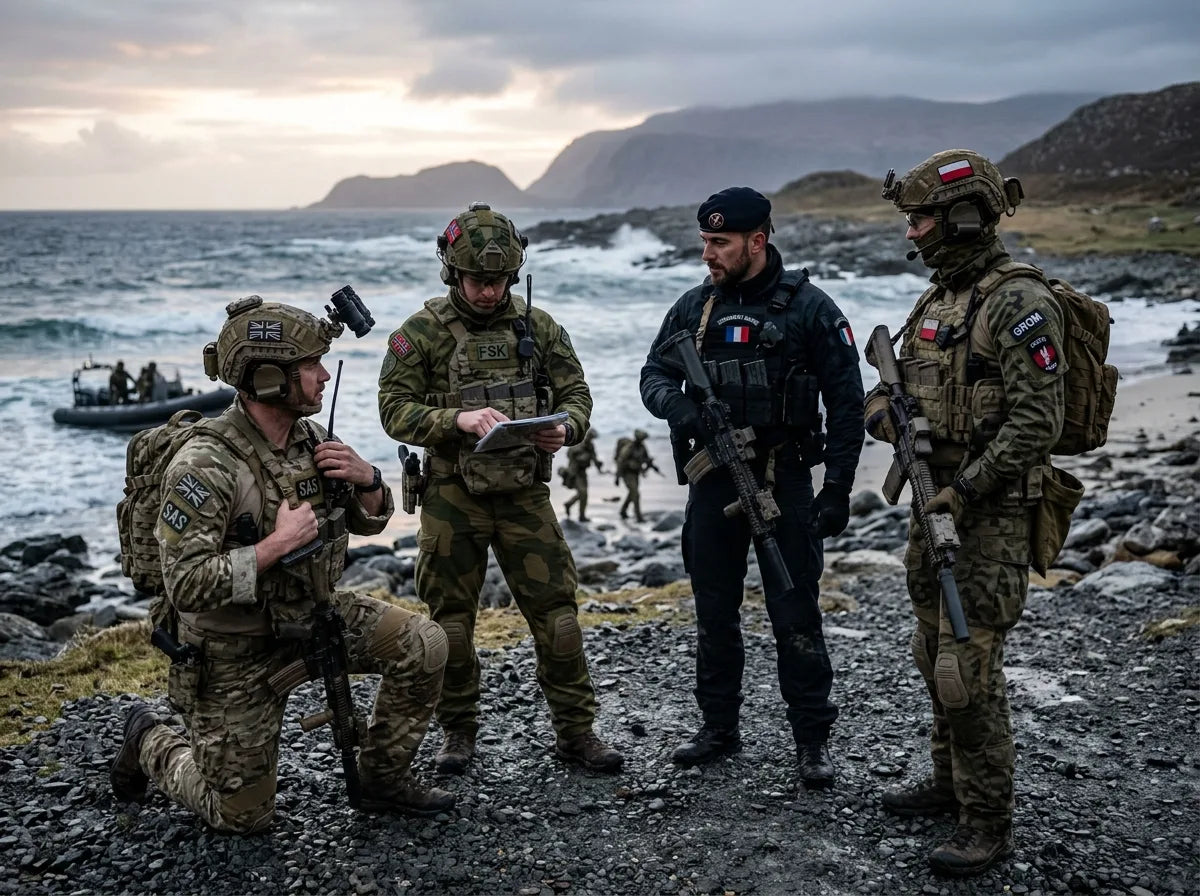
Several units outside the top five deserve serious mention in any conversation about the world’s most capable special operations forces.
- Polish GROM – Trained alongside Delta and DEVGRU, with an exceptional record in Iraq and Afghanistan
- Australian SASR – Modeled on the SAS with a proven combat record in multiple theaters
- French GIGN – Specializes in hostage rescue and has one of the highest mission success rates in Europe
- German KSK – Germany’s Kommando Spezialkräfte, a highly capable direct-action and reconnaissance unit
- South Korean 707th Special Mission Battalion – One of Asia’s most respected counterterrorism units
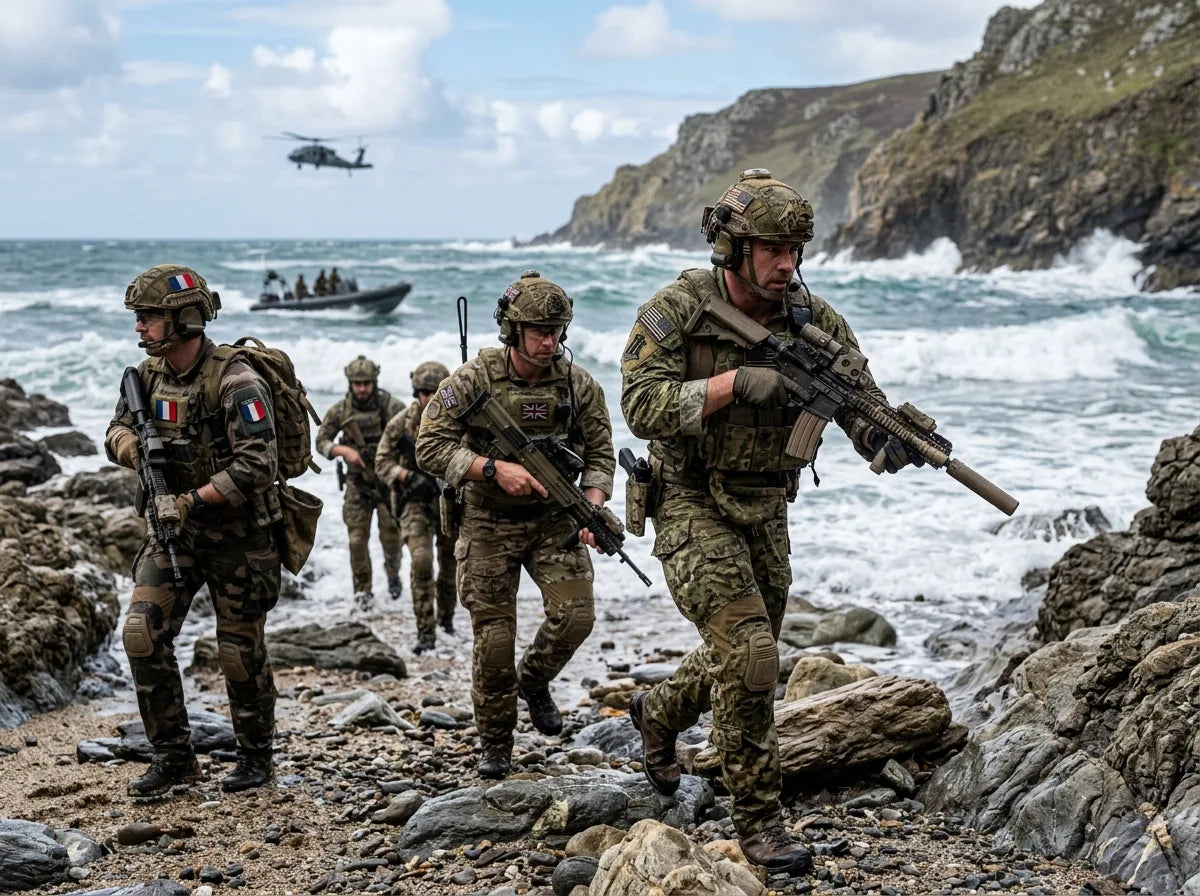
These units often train together, share doctrine, and operate alongside each other in coalition environments. The gap between them and the top-tier units is smaller than most people assume. Interoperability and joint training have raised the overall standard of special operations forces globally over the past two decades.
🔍 What Sets Tier-One Units Apart From All Others
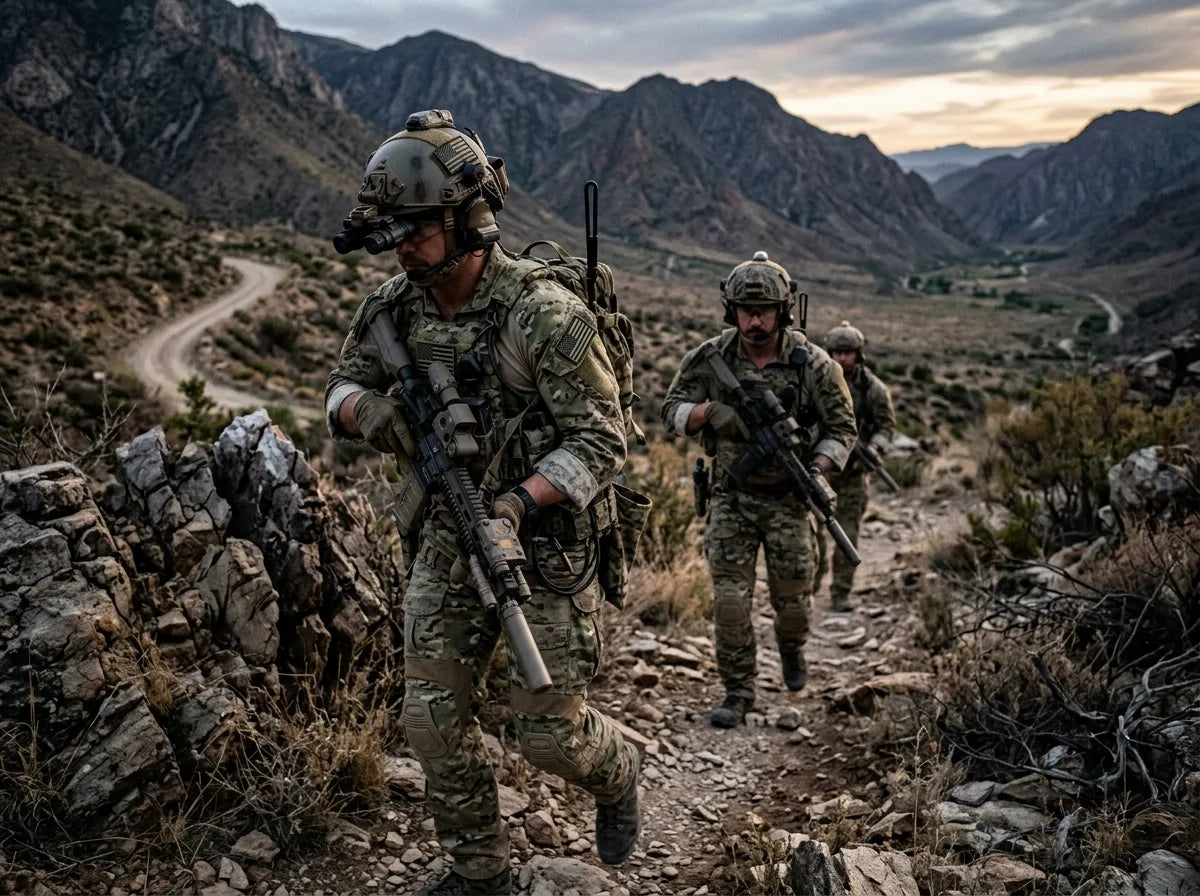
The difference between a good special forces unit and a truly elite one comes down to a few key factors. First is selection, the process of filtering out candidates until only the most mentally and physically resilient remain. Second is training volume, tier-one operators train more hours per year than most soldiers see in a career.
Third is operational autonomy. The most elite units operate with minimal oversight during missions, trusting individual operators to make split-second decisions. This requires a level of judgment and maturity that cannot be trained quickly. It develops over years of experience and exposure to high-pressure environments.
Finally, the best units have strong institutional cultures. The SAS regimental ethos, Delta’s quiet professionalism, and DEVGRU’s emphasis on adaptability are all products of decades of accumulated experience. These cultures attract the right candidates and filter out those who do not fit, creating a self-reinforcing cycle of excellence.
If you want to honor the service members who train and sacrifice at this level, learning about recognition programs like when Military Appreciation Month takes place is one meaningful way to stay connected to the broader military community.
Conclusion
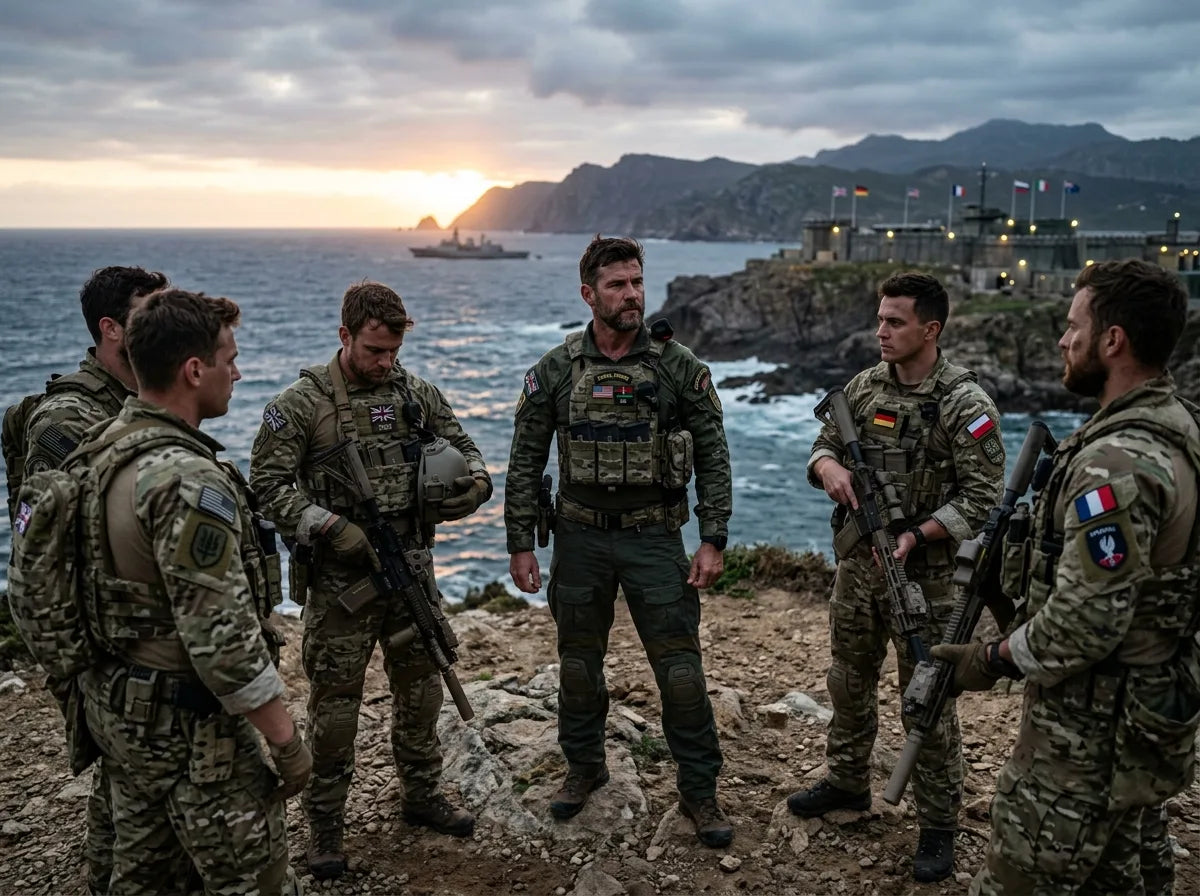
There is no single answer to what is the most elite military unit in the world, but Delta Force and the British SAS consistently rise to the top of credible rankings. Both have shaped modern special operations doctrine, proven themselves in the most demanding real-world environments, and maintained standards that few candidates can meet. The best unit is always the one best matched to the mission at hand, and these two have proven capable across nearly all of them.