
What Does the Military Do
The military does far more than fight wars. From disaster relief to space operations, modern armed forces carry out hundreds of missions across land, sea, air, and cyberspace. Understanding the full scope of military roles helps explain why defense budgets are large, why service members train so intensively, and why militaries matter in peacetime as much as wartime.
⚔️ Combat Operations and National Defense
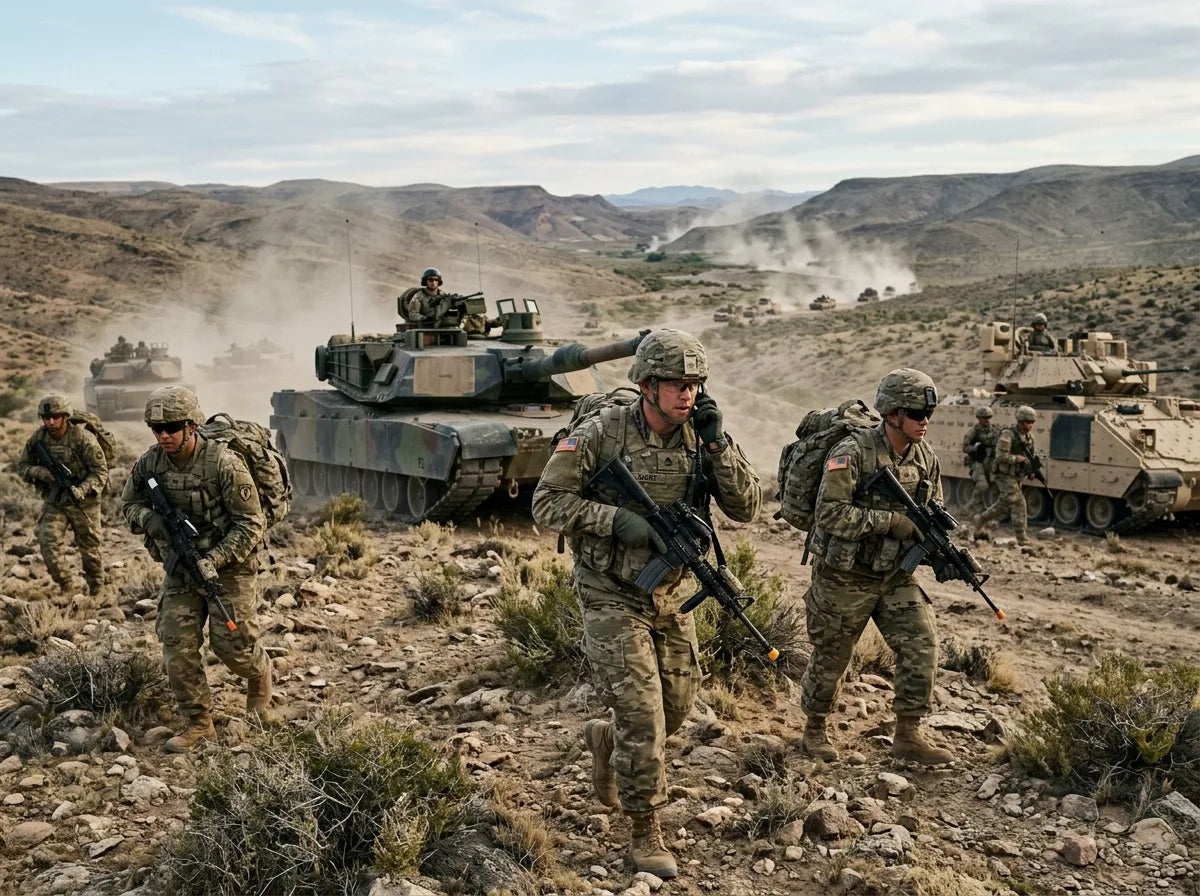
The most recognized military function is defending the nation against armed threats. This includes conventional warfare against enemy forces, counterterrorism operations, and deterrence, which means maintaining enough military strength that adversaries choose not to attack in the first place.
Combat operations are organized across multiple domains. Ground forces engage enemies directly, naval forces control sea lanes, air forces provide air superiority and strike capabilities, and special operations units conduct precision missions behind enemy lines.
🎯 Types of Combat Missions
- Offensive operations – attacking enemy positions, supply lines, and command structures
- Defensive operations – protecting territory, installations, and civilian populations
- Counterinsurgency – combating non-state armed groups operating within civilian areas
- Counterterrorism – targeted operations against terrorist networks and cells
- Deterrence patrols – visible military presence designed to prevent conflict from starting
Deterrence is often the most effective military function. When armed forces are strong and ready, potential adversaries calculate that the cost of aggression is too high. This explains why nations invest heavily in military readiness even during long stretches of peace.
🌍 Peacekeeping and Humanitarian Missions
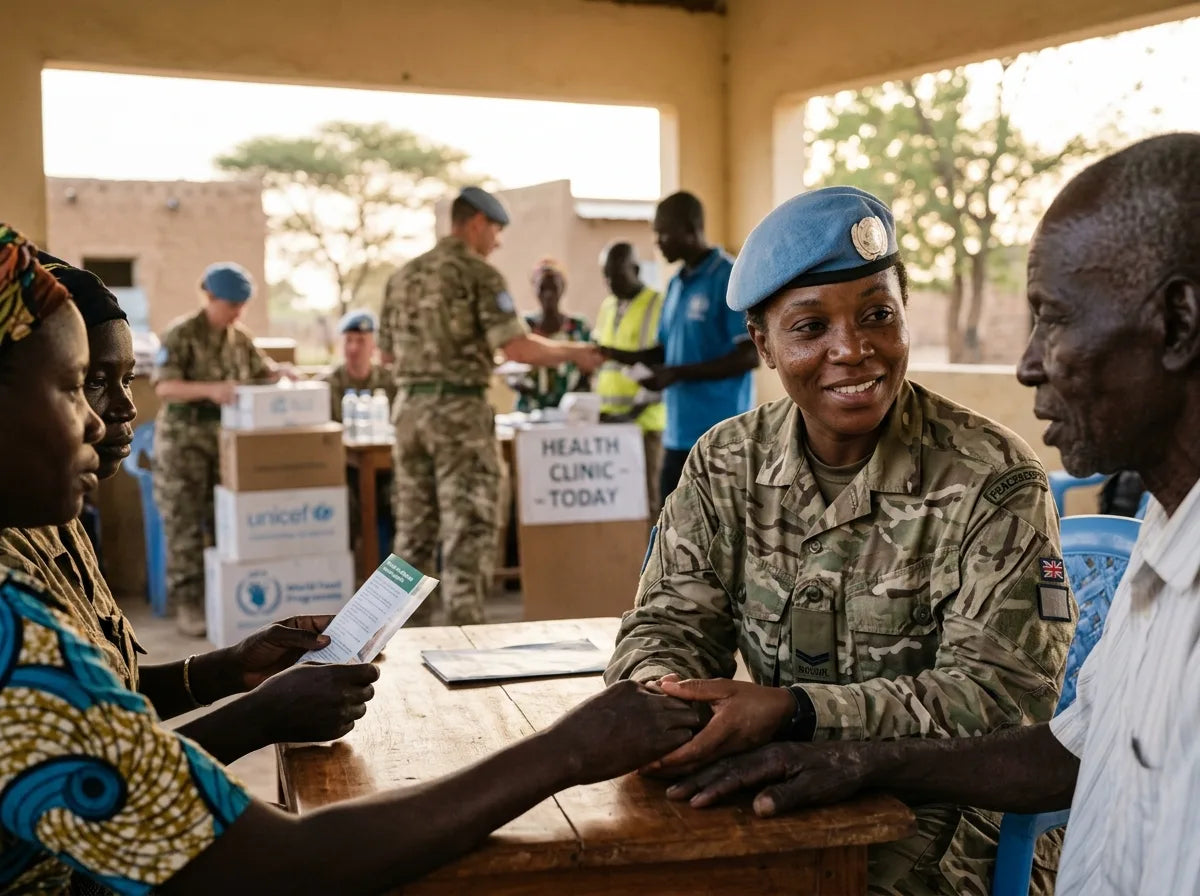
Modern militaries spend significant time on non-combat operations that stabilize regions and save lives. Peacekeeping deployments, authorized by international bodies like the United Nations, place troops between hostile factions to prevent violence from resuming after ceasefires.
Humanitarian assistance missions involve delivering food, water, medical care, and shelter to populations affected by conflict or natural disasters. Military logistics capabilities, including large aircraft, ships, and mobile field hospitals, make armed forces uniquely effective at reaching difficult areas quickly.
🏥 Disaster Relief Operations
When earthquakes, floods, or hurricanes strike, militaries often respond faster than civilian agencies. Military disaster response teams can deploy within hours, bringing engineering equipment, search and rescue specialists, and medical personnel to affected zones.
These missions build goodwill internationally and demonstrate that military power serves human welfare, not just national interests. They also provide real-world training that keeps troops sharp for more demanding deployments.
🔬 Research, Technology, and Innovation
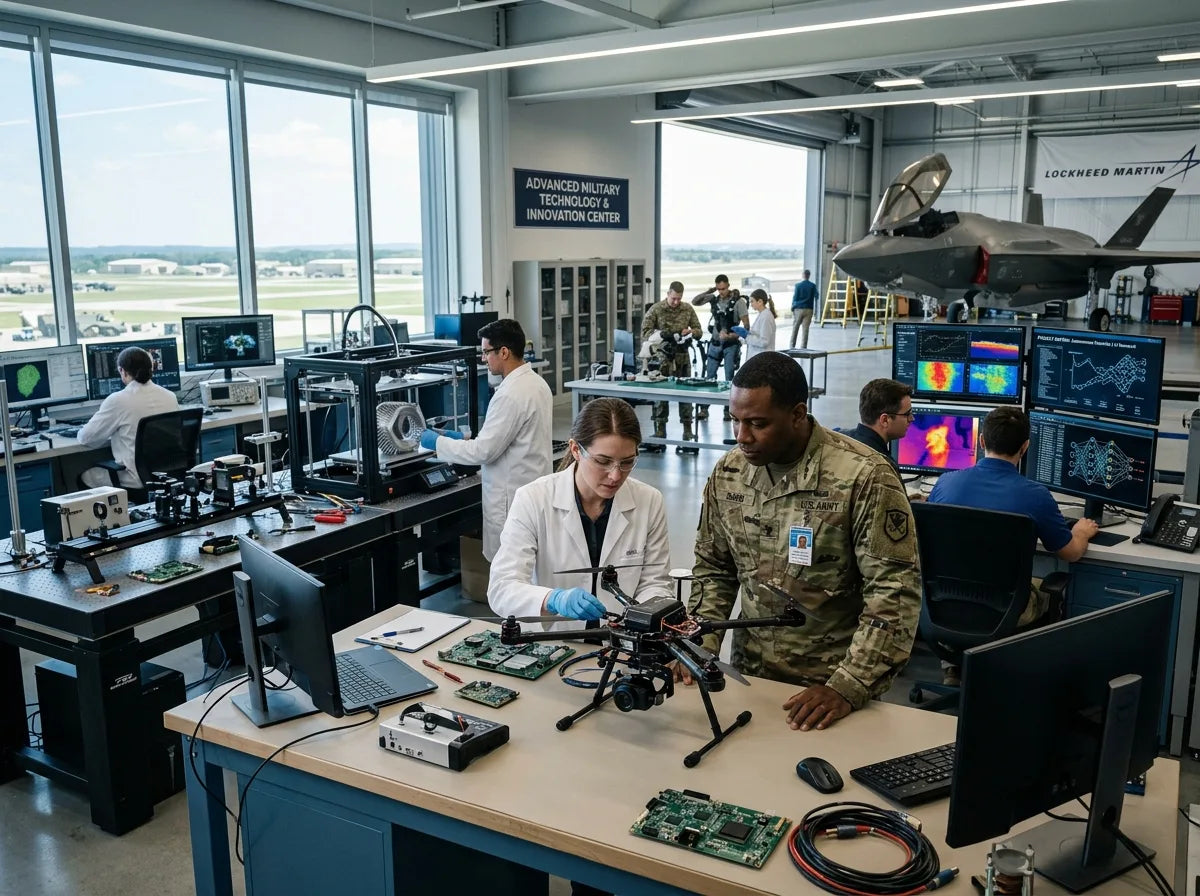
Military research and development has produced technologies that transformed civilian life. The internet, GPS navigation, microwave ovens, and many medical advances all trace roots to military-funded research programs. Defense agencies invest heavily in cutting-edge science because battlefield advantage often comes from technological superiority.
Current military research focuses on areas including autonomous vehicles, directed energy weapons, hypersonic missiles, quantum computing, and advanced materials. These programs require enormous investment but often yield capabilities with broad applications beyond defense.
💻 Cyber and Space Operations
Modern militaries operate in domains that did not exist a generation ago. Cyber commands defend national infrastructure from digital attacks, conduct intelligence gathering in networks, and develop offensive cyber capabilities that can disrupt enemy systems without firing a shot.
Space operations have become equally critical. Military satellites provide communications, navigation, weather data, and surveillance that ground forces depend on. Protecting these assets, and potentially threatening adversary satellites, is now a recognized military mission. Understanding physical fitness standards in the military is also essential for service members, much like understanding what muscles the military press works helps recruits build the strength required for demanding operational roles.
| 🎯 Military Domain | Primary Function | Key Assets |
|---|---|---|
| Land | Ground combat, occupation, stabilization | Infantry, armor, artillery |
| Sea | Maritime control, power projection | Carriers, submarines, destroyers |
| Air | Air superiority, strike missions, transport | Fighters, bombers, drones |
| Cyber | Network defense and offense | Cyber units, signals intelligence |
| Space | Satellite operations, navigation support | Military satellites, space tracking |
🤝 Military Diplomacy and Alliance Support
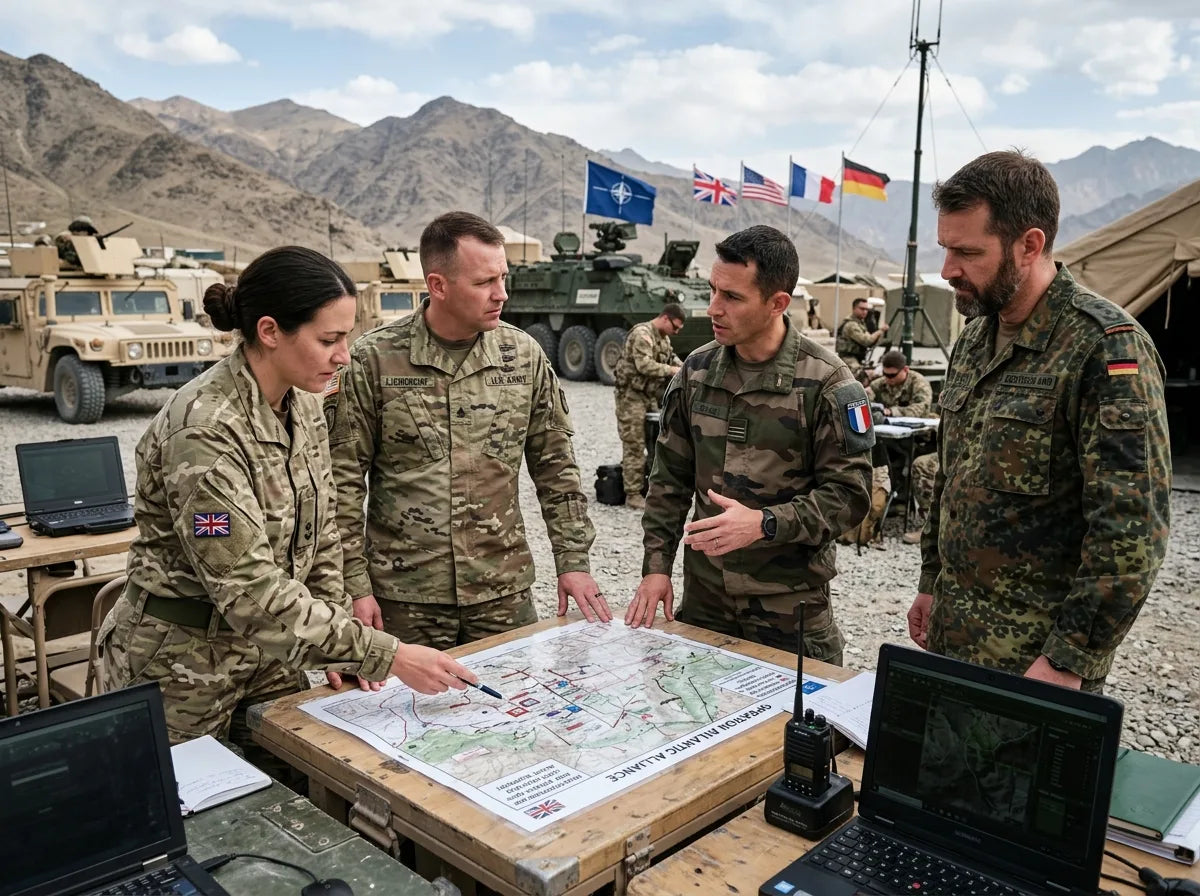
Armed forces play a major role in foreign policy beyond direct combat. Military diplomacy includes joint exercises with allied nations, training foreign security forces, port visits by naval vessels, and security cooperation agreements that strengthen partnerships.
These activities build interoperability, meaning allied forces can work together effectively when needed. They also signal commitment to partners, which reassures allies and warns potential adversaries that aggression would face a collective response rather than just one nation’s military.
🌐 Foreign Military Training Programs
Many militaries run programs that train partner nation forces in tactics, human rights standards, logistics, and leadership. This approach helps fragile states build their own security capacity rather than depending on foreign troops indefinitely.
Training programs also give military advisors insight into regional conditions, local politics, and emerging threats, providing intelligence value alongside the direct security benefits. These relationships often prove critical when crises emerge unexpectedly.
🛡️ Intelligence and Surveillance Operations
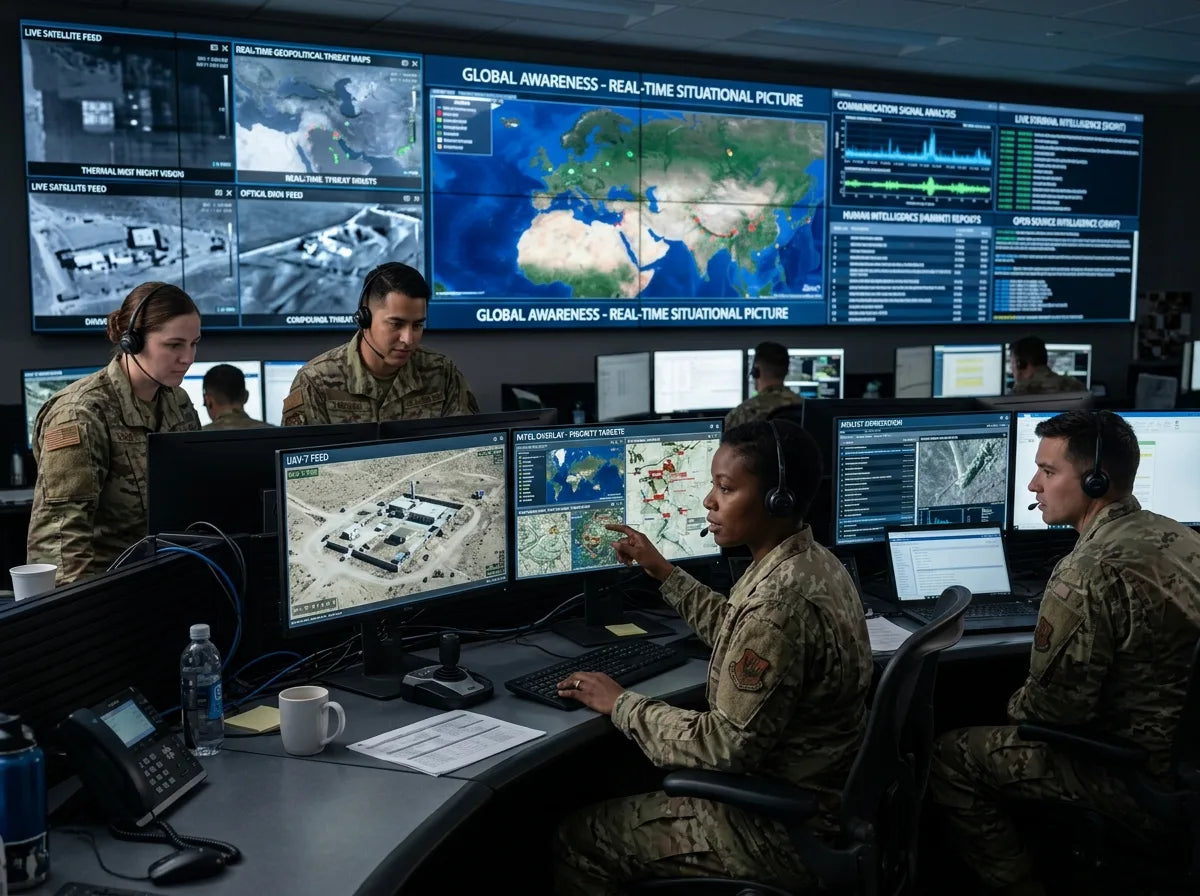
Military intelligence gathering is a continuous operation that never pauses, even during peacetime. Reconnaissance aircraft, surveillance satellites, signals intelligence units, and human intelligence networks collect information about potential threats, enemy capabilities, and adversary intentions.
This intelligence feeds directly into planning at every level, from strategic decisions made by senior commanders to tactical choices made by unit leaders in the field. Without accurate intelligence, military operations become far more dangerous and less effective.
🔍 Signals and Electronic Intelligence
Electronic warfare units intercept communications, jam enemy radar, and protect friendly communications from interception. Signals intelligence, often abbreviated as SIGINT, has been one of the most valuable military capabilities since radio communications became widespread in the early twentieth century.
Modern electronic warfare extends to protecting military networks from hacking, deceiving enemy sensors with false signals, and disrupting the communications that coordinate adversary forces during operations. These capabilities are now considered as essential as tanks or aircraft.
🏋️ Training, Readiness, and Force Development
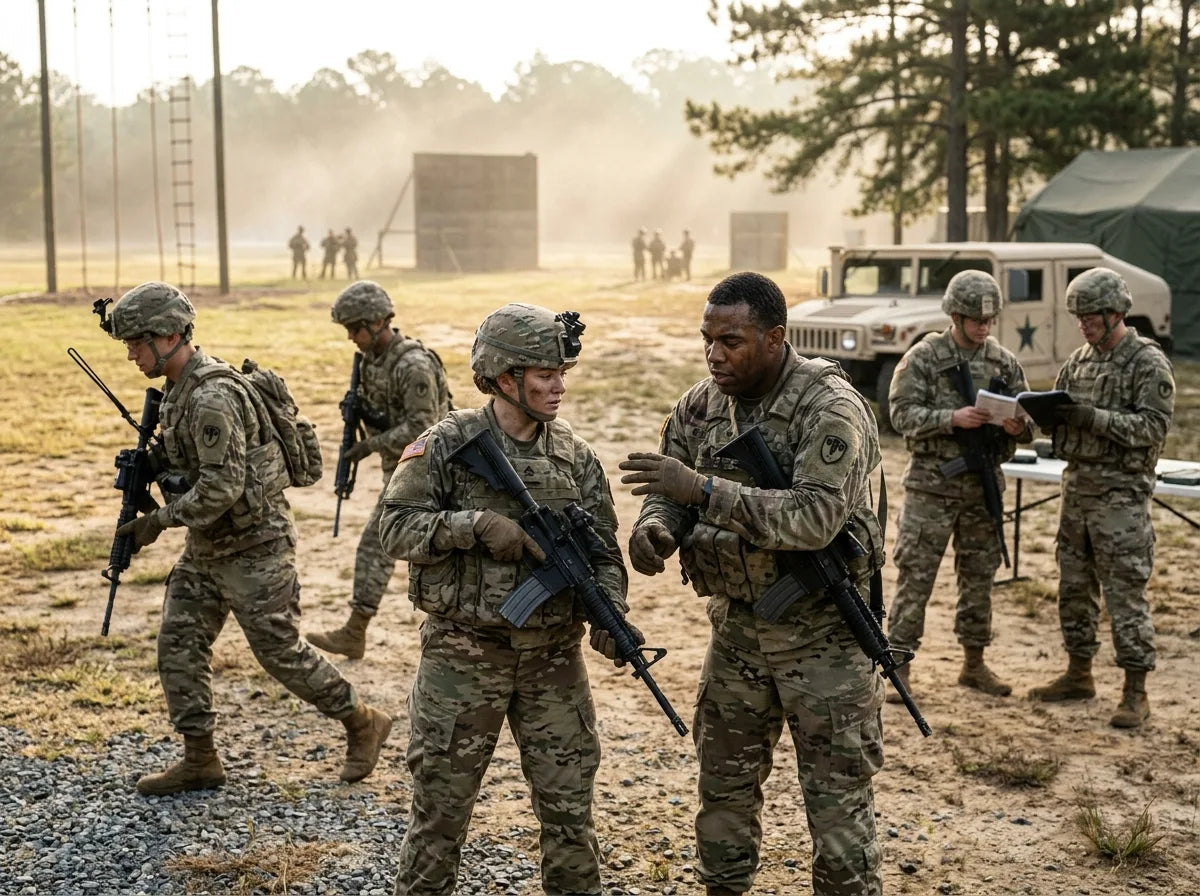
A large portion of what the military does every day involves training. Combat readiness requires constant practice, from individual soldiers maintaining weapons proficiency to entire fleets conducting large-scale exercises that simulate real conflict conditions.
Physical fitness, tactical skills, technical knowledge, and leadership development all require sustained investment. Militaries that neglect training quickly lose effectiveness, even if their equipment remains modern. The best hardware in the world delivers poor results when operated by undertrained personnel.
⚙️ Logistics and Support Functions
For every combat soldier, there are many more service members in support roles keeping the force operational. Mechanics maintain vehicles and aircraft, medical personnel care for injured troops, supply specialists ensure ammunition and food reach forward positions, and communications technicians keep information flowing.
Military logistics, moving the right supplies to the right place at the right time, is often described as the true foundation of military power. Armies that run out of fuel, food, or ammunition stop fighting regardless of their tactical skill or individual courage.
- Medical and dental care for service members and dependents
- Legal services, including military justice and contract law
- Chaplain services providing spiritual and mental health support
- Finance and pay administration for hundreds of thousands of personnel
- Construction and engineering, including building bases and infrastructure in conflict zones
- Transportation of personnel, equipment, and supplies across global distances
These support functions rarely make headlines, but they determine whether combat forces can sustain operations. Understanding the full scope of military roles reveals why armed forces are among the most complex organizations humans have ever built. For those interested in the specialized units that operate at the highest levels of military capability, learning about what the SAS military unit is provides a compelling look at how elite forces are selected, trained, and deployed for the most demanding missions.
✅ Final Thoughts on What the Military Does
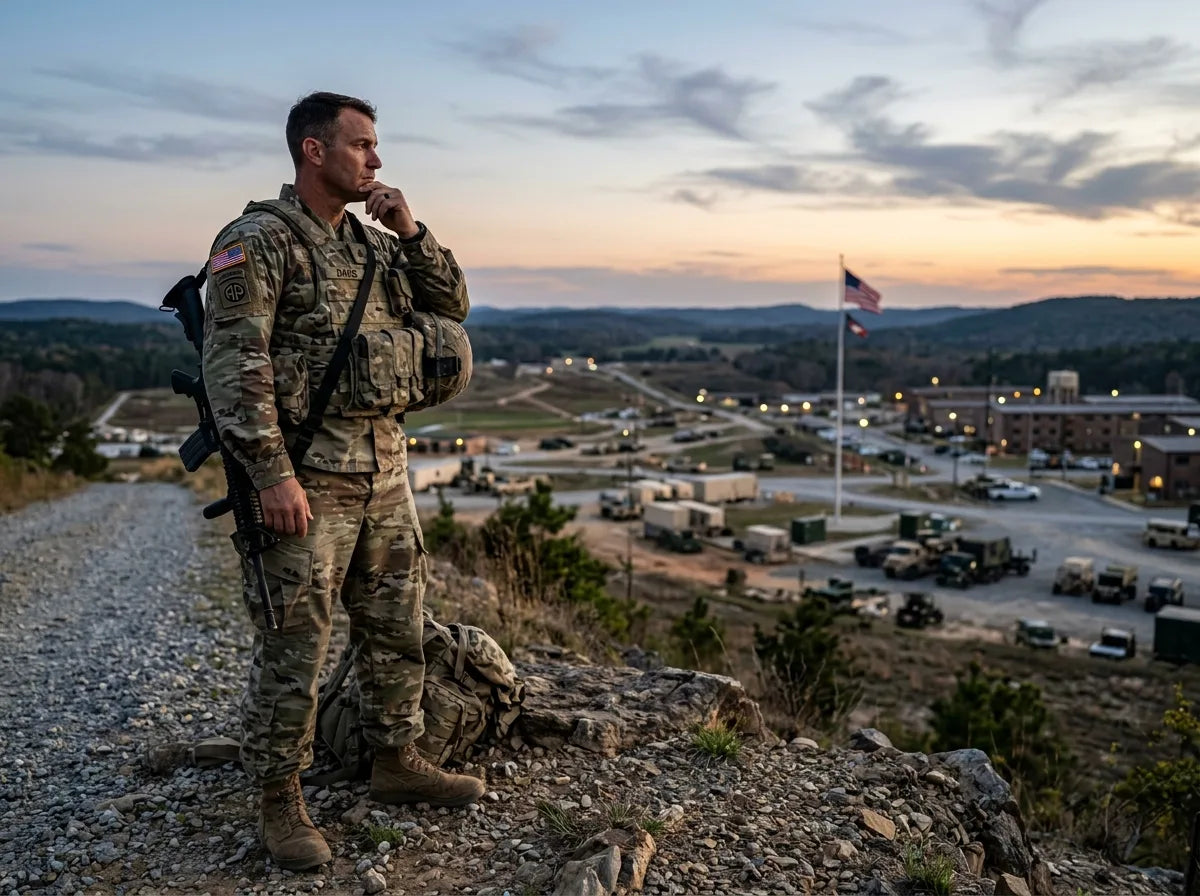
The military does not simply fight wars. It deters conflict, responds to disasters, advances technology, trains allies, gathers intelligence, and maintains the readiness that makes all other missions possible. Modern armed forces are complex institutions that operate across every domain and serve national interests through dozens of different functions. Whether in active combat or quiet peacetime operations, the military’s work never fully stops. Understanding this breadth gives a much clearer picture of why defense matters and what service members actually do throughout their careers.